
Beautiful Plants For Your Interior
Beautiful Plants For Your Interior
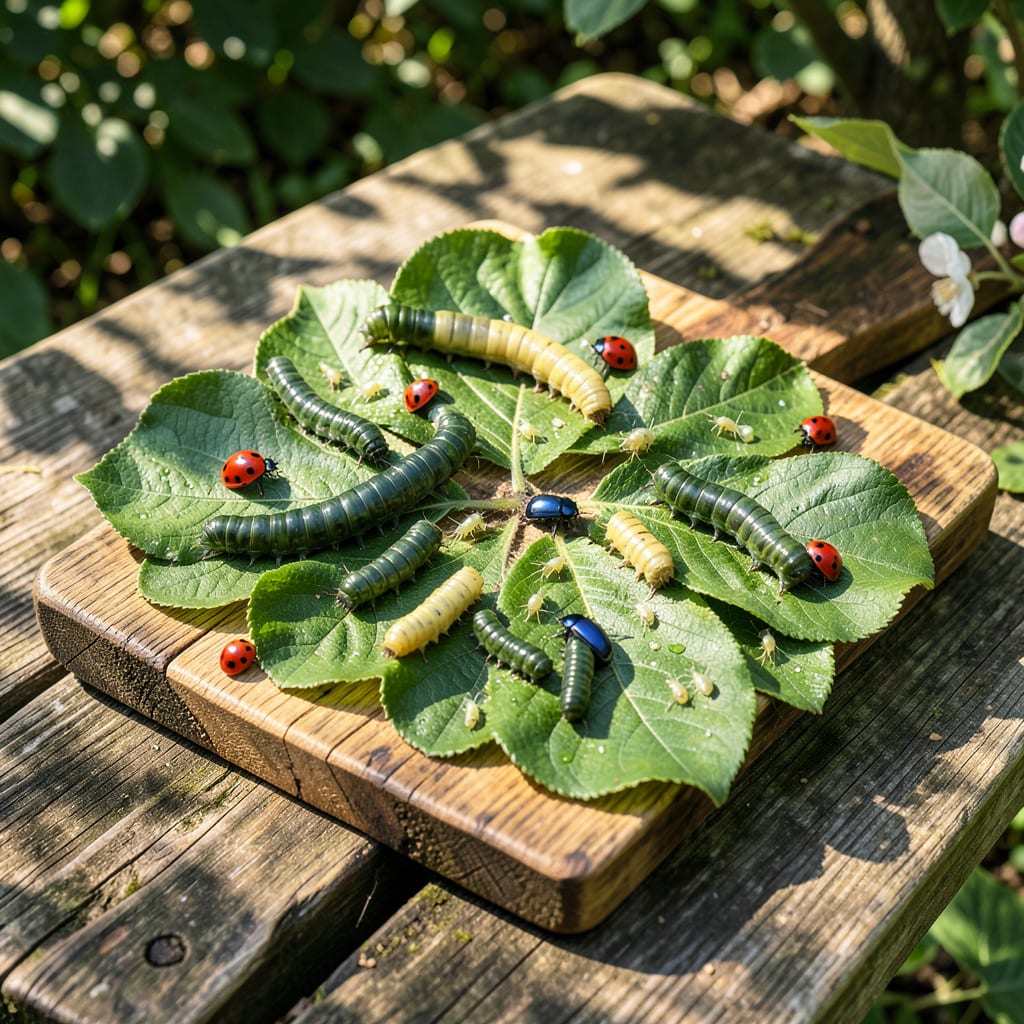
Tiny holes in your apple leaves mean trouble’s already moved in. I’ve watched aphids and mites turn healthy trees into stressed-out skeletons in two weeks flat—until I found a better way.
Chemical sprays kill everything, including the good bugs that keep pests in check. Neem oil targets the bad actors while leaving ladybugs and bees unharmed. It’s the only treatment I use now.
You’ll see results within 48 hours as pests stop feeding and eggs fail to hatch. The best part? It’s safe enough to spray the day before harvest.
Works for codling moths, spider mites, and leaf miners too. Here’s how to mix it right and apply it for maximum impact.
Insects on apple tree leaves often appear due to specific environmental and biological triggers. Understanding these causes helps in targeting the problem effectively.
Apple trees in monoculture orchards or urban settings often lack beneficial insects like ladybugs, lacewings, or parasitic wasps that naturally control pest populations. Without these predators, aphids, mites, and caterpillars thrive unchecked, leading to visible damage on leaves.
Excess moisture creates a humid environment that attracts soft-bodied insects such as aphids and scale. Poor drainage can also stress the tree, weakening its defenses and making it more susceptible to infestations.
Apple trees under stress from nutrient deficiencies, improper pruning, or disease are more vulnerable to insect attacks. Stressed trees produce fewer defensive compounds, making their leaves an easy target for pests like leafhoppers and sawfly larvae.
Many leaf-feeding insects, including spider mites and codling moths, reproduce rapidly in warm, dry conditions. These pests lay eggs on leaves, and their larvae feed voraciously, causing visible damage such as curly, discolored, or hole-riddled foliage.
Ironically, excessive use of broad-spectrum pesticides can worsen infestations. These chemicals kill beneficial insects alongside pests, disrupting the natural balance and allowing resistant pest populations to rebound stronger.
Dealing with pests on your apple tree? Here’s how to tackle each common issue with simple, effective fixes.
Use a strong jet of water to knock aphids off the leaves. For stubborn infestations, apply insecticidal soap or neem oil spray every 5–7 days until they’re gone. Prevention tip: 💡 Encourage ladybugs and lacewings—natural predators that keep aphid populations in check.
Spider mites thrive in dry conditions. Combat them by misting your tree regularly to raise humidity. Apply horticultural oil or neem oil to smother mites and their eggs. Prevention tip: 🌡️ Avoid overhead watering in hot weather to reduce dryness.
Pick off infested leaves and fruits immediately to stop the spread. Use pheromone traps to catch adult moths before they lay eggs. For organic control, apply spinosad spray. Prevention tip: ✨ Clean up fallen leaves and fruits to eliminate breeding grounds.
Gently scrape off scale insects with a soft brush or cloth. Follow up with a dormant oil spray in early spring or late fall to target overwintering pests. Prevention tip: 🎯 Prune heavily infested branches to improve air circulation and reduce hiding spots.
Remove rolled leaves by hand to eliminate larvae. Apply Bacillus thuringiensis (Bt) to young caterpillars for targeted control. Prevention tip: 🔥 Monitor your tree weekly in spring to catch infestations early.
Inspect leaves weekly during growing season, especially in spring and early summer. Look under leaves where pests like aphids and mites hide. Early detection prevents major outbreaks.
Yes, but dilute 1 teaspoon mild dish soap in 1 quart water. Avoid soaps with degreasers or additives. Test on a few leaves first to check for damage.
Incomplete coverage or missing eggs allows pests to rebound. Always treat both sides of leaves and repeat every 5-7 days until gone.
Neem oil targets soft-bodied pests but spares most beneficial insects. Apply at dusk when bees are less active to minimize impact.
