
Beautiful Plants For Your Interior
Beautiful Plants For Your Interior
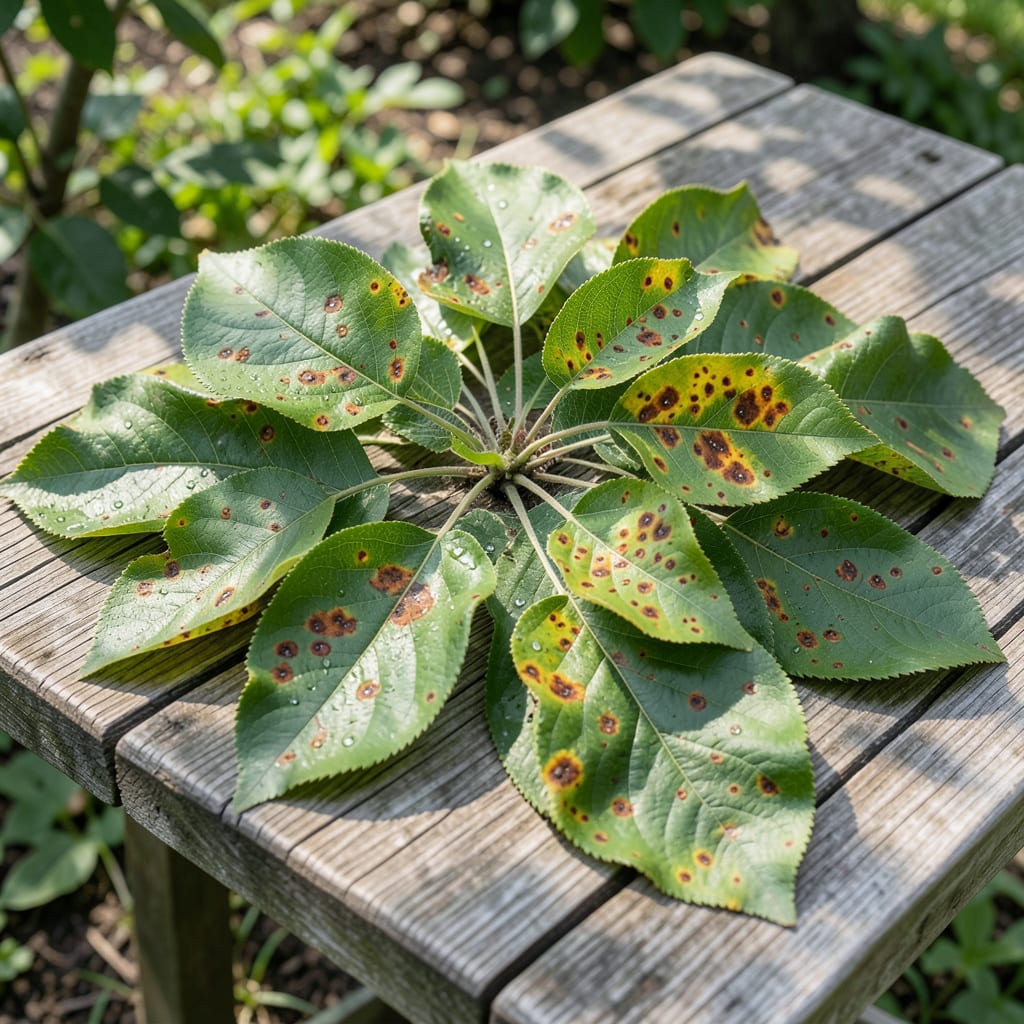
Orange speckles on your apple leaves aren’t just ugly—they’re a warning. I first spotted rust on my trees three seasons ago and ignored it. Big mistake. Those spots spread fast, turning leaves yellow and stunting fruit before you know it.
This fungal invader thrives in wet springs and crowded canopies. Without action, it weakens trees and slashes harvests. The good news? It’s 100% treatable with the right approach, and prevention keeps it from coming back next year.
You’ll need to act before the infection takes hold. Remove affected leaves, improve airflow, and apply organic sprays at the first sign. Most trees bounce back within 2-3 weeks of consistent care.
Works for all apple varieties, from dwarf patio trees to full-size orchards. Here’s exactly how to stop it.
Rust spots on apple tree leaves are primarily caused by fungal infections, environmental stress, or poor cultural practices. Here’s a breakdown of the most common culprits:
The primary cause is Gymnosporangium rust fungi, such as Gymnosporangium juniperi-virginianae (cedar-apple rust). These pathogens thrive in wet, humid conditions and spread via spores from alternate hosts like juniper trees. The fungus infects leaves, creating orange or reddish-brown spots with a rusty appearance.
Prolonged leaf wetness from rain, overhead irrigation, or high humidity encourages fungal spore germination. Poor air circulation in dense canopies traps moisture, creating an ideal environment for rust development.
Some rust fungi require two host plants to complete their life cycle. For cedar-apple rust, junipers act as the alternate host, releasing spores in spring that infect nearby apple trees. Removing these hosts or planting resistant apple varieties can break the cycle.
Fallen leaves, debris, or unpruned branches harbor fungal spores over winter. Failing to clean up infected plant material allows the pathogen to reinfect the tree the following season.
Addressing these causes—through fungicide treatments, improved airflow, and sanitation—can help prevent rust spots from spreading.
Rust spots on apple tree leaves are manageable with the right approach. Below are targeted solutions for each common cause, along with prevention tips to keep your trees healthy.
If rust is caused by fungal spores, act fast to stop the spread. Prune infected leaves and branches immediately, and dispose of them in sealed bags—not compost. Apply a copper-based fungicide or neem oil spray every 7–10 days until the issue clears. For organic growers, baking soda mixed with water and a drop of dish soap (1 tbsp per gallon) can help suppress mild outbreaks.
💡 Prevention: Improve air circulation by thinning branches, and avoid overhead watering to reduce moisture on leaves.
Overwatering or poor drainage creates a breeding ground for rust. Water at the base of the tree early in the day so foliage dries quickly. If your soil retains too much water, amend it with compost or sand to improve drainage.
💡 Prevention: Use drip irrigation instead of sprinklers, and space trees properly to allow airflow.
Fallen leaves and debris harbor fungal spores. Rake and remove all leaf litter from under the tree in autumn and spring. Disinfect pruning tools with rubbing alcohol between cuts to avoid spreading spores.
💡 Prevention: Apply a thick layer of mulch (but keep it away from the trunk) to suppress spores in the soil.
A stressed tree is more vulnerable to rust. Fertilize in early spring with a balanced organic fertilizer to strengthen growth. Ensure your tree gets full sun (6+ hours daily) and isn’t crowded by other plants.
💡 Prevention: Test soil pH (aim for 6.0–7.0) and adjust if needed—rust thrives in overly acidic conditions.
Consistency is key: monitor leaves weekly for early signs, and treat at the first spot to keep rust from taking over. With these steps, your apple tree can bounce back—and stay rust-free!
Yes, but act fast. Remove all infected leaves and branches immediately. Apply copper fungicide every 7-10 days until new growth emerges rust-free. Severe cases may take 2-3 weeks to recover.
It can. Severe infections weaken trees, reducing fruit size and quality. Early treatment prevents major yield loss. Expect smaller apples if rust spreads unchecked.
Neem oil works well for mild cases. Mix with water and a drop of soap, then spray every 5-7 days. It’s organic but needs consistent application, especially after rain.
