
Beautiful Plants For Your Interior
Beautiful Plants For Your Interior
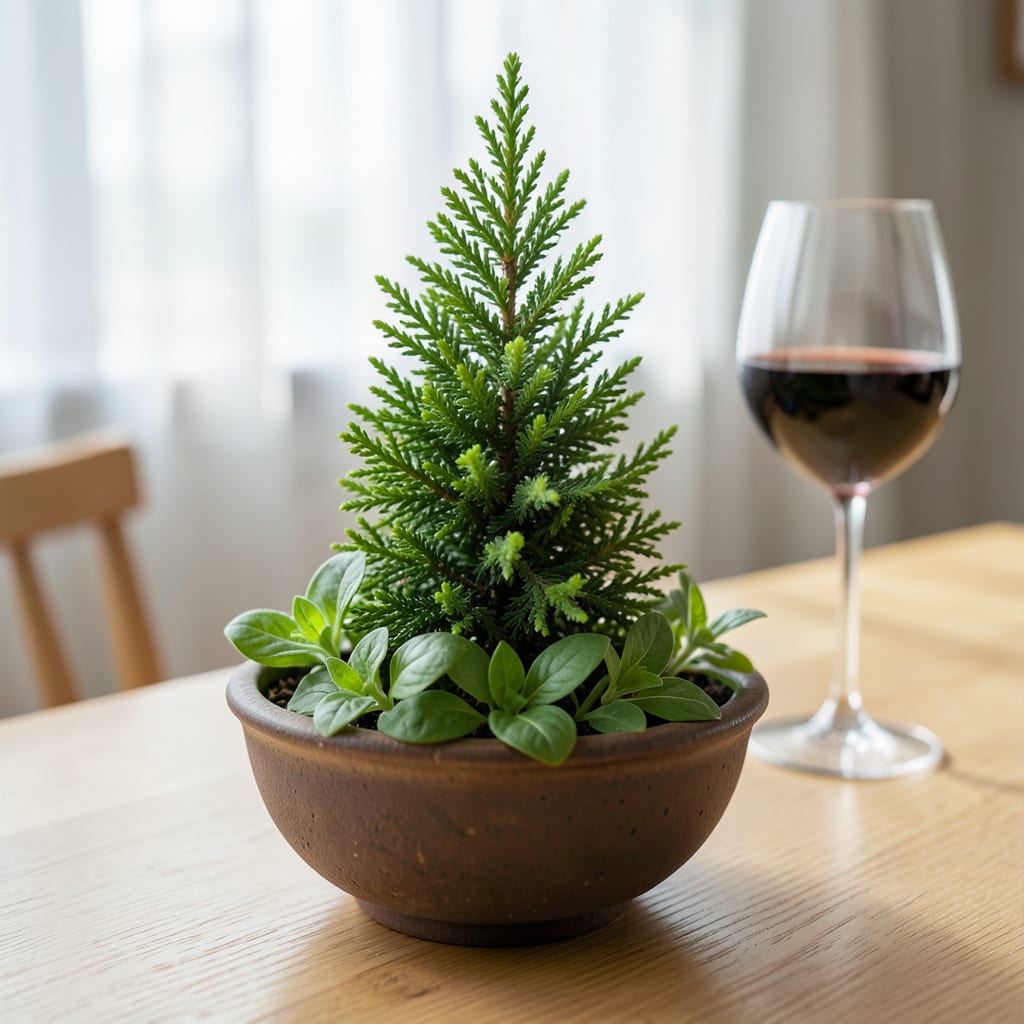
When planting a Juniper Tree 🌲, understanding its growth potential is crucial for proper garden planning. These versatile trees can thrive in various conditions, but their height varies significantly based on species and environment.
In USDA Zone 6, Juniper Trees can grow between 10-50 feet tall. Factors like soil quality, sunlight, and pruning practices play a significant role in determining their ultimate height. Let’s explore these factors in detail to help you make informed decisions about your garden.

1-2 ft

2-4 ft

4-6 ft

10-50 ft
Juniper trees are known for their versatility and hardiness, but their height can vary significantly based on several factors. Understanding these factors is crucial for proper garden planning and maintenance.
The height of a juniper tree is influenced by its species, soil conditions, and environmental factors. Different species have different growth potentials, and soil quality can affect nutrient availability. Environmental factors like sunlight and watering practices also play a significant role.
The species of juniper tree is a primary factor in determining its height. Some species, like the Dwarf Juniper, remain compact and grow much shorter than others, such as the Eastern Red Cedar, which can reach significant heights. Understanding the specific variety is essential for predicting its ultimate height.
Soil conditions also significantly impact the height of juniper trees. Well-draining soil that is rich in nutrients supports healthy growth, while poor soil quality can stunt the tree’s development. Junipers generally prefer slightly acidic to neutral soil pH and can tolerate various soil types, but poor drainage can lead to root rot and other issues.
Environmental factors, including sunlight and watering practices, play a crucial role in the growth of juniper trees. Junipers typically thrive in full sun to partial shade, and adequate sunlight is essential for their growth. Watering practices should be balanced; while junipers are drought-tolerant once established, consistent moisture during the early stages of growth can promote healthier development.
In addition to these factors, climate conditions and maintenance practices can also influence the height of juniper trees. In USDA Zone 6, where the last frost is around April 15 and the first frost is around October 15, junipers have a frost-free growing season of about 165 days. Proper pruning and care can help maintain the desired height and shape of the tree.
By understanding these factors and how they interact, gardeners can better predict and manage the growth of their juniper trees. Whether you’re planting a dwarf variety or a taller species, being aware of the conditions that affect their height will help you make informed decisions about their care.
Juniper trees are generally considered low-maintenance plants, but they still require some care to thrive. Regular fertilization with a balanced fertilizer (10-10-10 NPK) every 4-6 weeks during the growing season can support their growth. Watering should be done deeply but infrequently to encourage deep root growth 🌲.
Overall, the height of a juniper tree is the result of a combination of its genetic potential and the conditions in which it is grown. By selecting the right species for your garden and providing appropriate care, you can help your juniper tree reach its full potential.
Juniper trees come in a variety of species, each with its own growth characteristics. Understanding the typical height ranges for different juniper tree varieties is essential for garden planning and maintenance.
The height of juniper trees can vary significantly based on the species. Some species are naturally compact and remain relatively short, while others can grow quite tall.
The Dwarf Juniper is a popular choice for gardeners looking for a compact, low-maintenance option. These junipers typically grow to be between 1-3 feet tall and have a slow growth rate.
Columnar Junipers are known for their upright growth habit and can reach heights of 10-20 feet. They have a medium growth rate, making them a good choice for hedges or screens.
Spreading Junipers have a more horizontal growth pattern and usually reach heights of 3-6 feet. Their growth rate can vary from slow to medium, depending on the specific variety and growing conditions.
The Eastern Red Cedar is a larger juniper species that can grow quite tall, reaching heights of 40-50 feet. It has a fast growth rate compared to other juniper varieties.
When selecting a juniper tree for your garden, it’s essential to consider the mature height of the tree to ensure it fits within your landscape design. Proper planning can help prevent the need for frequent pruning or other maintenance tasks 🌲.
By understanding the typical height ranges for different juniper tree varieties, gardeners can make informed decisions about which trees to plant and how to care for them.
Proper pruning and maintenance are essential for managing the height of juniper trees. Regular pruning helps maintain the desired shape and size while promoting healthy growth 🌲.
Evaluate the juniper tree’s current height and shape to determine the necessary pruning.
Remove dead or damaged branches to maintain the tree’s health and appearance.
Regular maintenance, including annual pruning, helps keep the juniper tree at the desired height.
Pruning techniques vary depending on the juniper species and desired outcome. For most junipers, it’s best to prune in late winter or early spring before new growth begins. Use sharp, clean pruning tools to make precise cuts, and avoid cutting too much at once to prevent stressing the tree.
In addition to pruning, overall care practices such as watering, fertilizing, and mulching contribute to maintaining a healthy juniper tree. Proper care ensures that the tree remains vigorous and continues to thrive at the desired height 🌿.
By combining effective pruning techniques with regular maintenance, gardeners can successfully manage the height of their juniper trees, ensuring they remain a beautiful and functional part of the landscape.
