
Beautiful Plants For Your Interior
Beautiful Plants For Your Interior
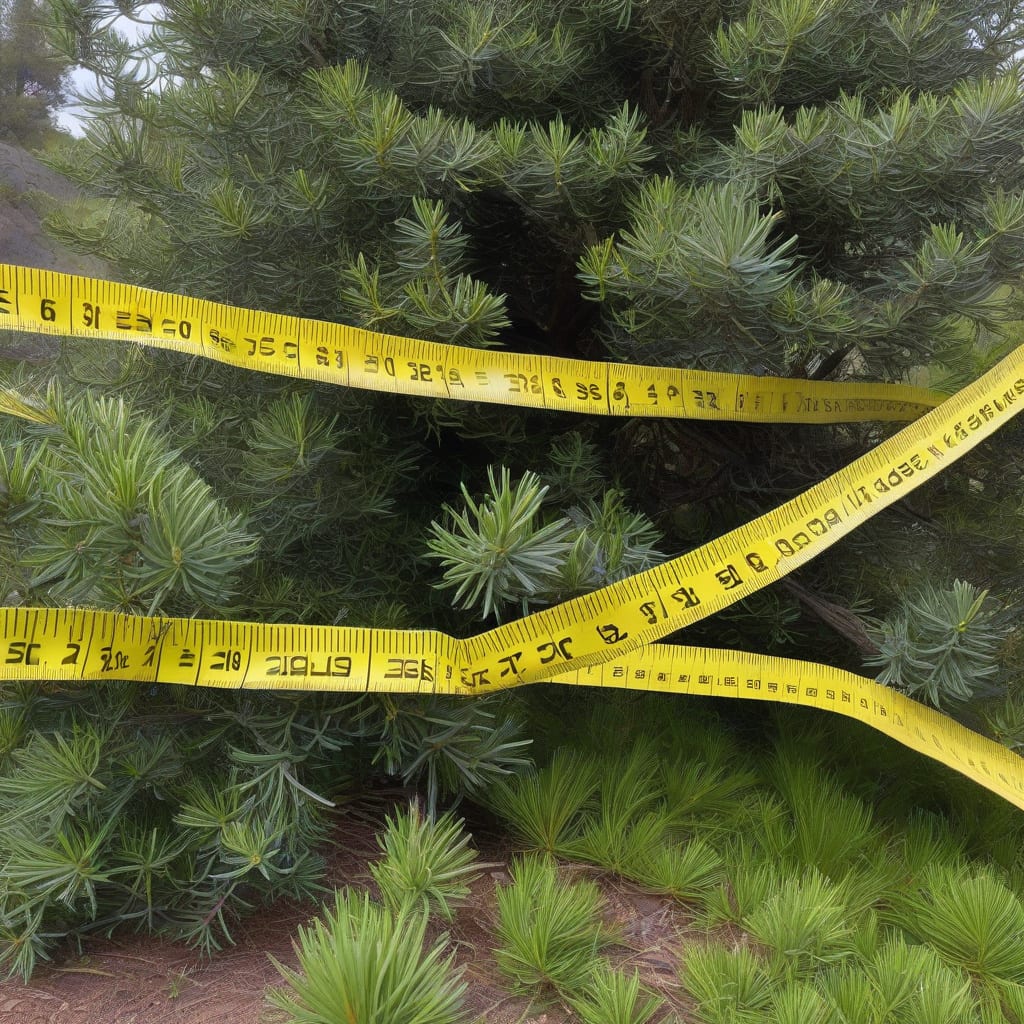
When planting Juniper 🌲 in your garden, understanding its growth potential is crucial for proper planning. The height of these versatile shrubs can vary significantly based on several factors.
In USDA Zone 6, Juniper plants can grow anywhere from 3 to 30 feet tall, depending on the specific variety and growing conditions. Let’s explore what influences their height and how to manage it.

Juniper plants are known for their diverse growth patterns and varying maximum heights. The height of a juniper plant can range from 3 feet to 30 feet, depending on the species and growing conditions. Understanding these factors is crucial for garden planning and maintenance.
The growth rate of juniper plants can be influenced by several factors, including soil quality, sunlight, watering, and pruning practices. Different species of juniper have unique growth characteristics that affect their overall height and spread.
The height of juniper plants is influenced by factors such as soil quality, sunlight exposure, and watering practices. Juniper plants generally thrive in well-draining soil and full sun. Proper maintenance, including regular pruning, can also impact the overall height and shape of the plant 🌲.
Growth rates vary among juniper species. Some varieties grow relatively slowly, while others can grow more quickly under optimal conditions. Understanding the specific needs and characteristics of your juniper plant is essential for effective care.
Juniper plants can be used for various landscaping purposes, including hedges, ground cover, and ornamental shrubs. Their versatility makes them a popular choice for gardeners looking to add structure and beauty to their outdoor spaces.
The maximum height of a juniper plant is largely determined by its species. Dwarf varieties typically remain compact, while standard varieties can grow significantly tall. Factors such as soil quality, sunlight, and maintenance practices play a role in achieving the plant’s full height potential.
To manage the height of juniper plants effectively, gardeners can employ various techniques. Regular pruning is essential for maintaining the desired shape and size. Additionally, ensuring the plant receives adequate sunlight and is grown in suitable soil conditions can promote healthy growth 🌿.
Different juniper species exhibit unique growth habits. Some are more compact and spreading, while others grow upright. Selecting the right variety for your garden’s needs is crucial for achieving the desired height and overall appearance.
Understanding the growth patterns of juniper plants helps gardeners make informed decisions about their care. By considering factors such as soil quality, sunlight exposure, and pruning practices, gardeners can optimize the health and appearance of their juniper plants.
Regular maintenance is key to managing the size and health of juniper plants. This includes monitoring for pests, diseases, and nutrient deficiencies. Proper care ensures that juniper plants remain healthy and vibrant throughout their lifespan.
In conclusion, juniper plants offer a range of growth patterns and maximum heights, making them suitable for various landscaping needs. By understanding the factors that influence their growth and employing proper maintenance techniques, gardeners can enjoy the beauty and versatility of these plants for years to come 🌲.
The height and spread of juniper plants are influenced by several key factors that gardeners should consider when planning their landscape. Understanding these elements helps in selecting the right variety and providing appropriate care to achieve the desired size and shape 🌲.
Soil quality plays a significant role in determining the height of juniper plants. Junipers thrive in well-draining soil with a slightly acidic to neutral pH. Poor soil conditions can limit root development and overall growth.
Sunlight exposure is another critical factor affecting juniper height. Junipers generally require full sun to thrive, needing at least 6 hours of direct sunlight daily. Insufficient sunlight can lead to weak and spindly growth 🌞.
Watering practices also impact the height and spread of juniper plants. While junipers are drought-tolerant once established, consistent moisture during the early stages of growth can promote healthier development. Overwatering, however, can be detrimental, leading to root rot and other issues 💧.
Pruning practices are essential for managing the size and shape of juniper plants. Regular pruning helps maintain the desired height and encourages dense, bushy growth. Pruning should be done during the dormant season to minimize stress on the plant ✂️.
By understanding and managing these factors, gardeners can effectively control the height and spread of their juniper plants, ensuring they remain healthy and visually appealing in the landscape 🌿.
The growth rate of junipers varies by species, with some growing more quickly than others. Selecting the right variety based on the desired growth rate and mature size is crucial for achieving the desired landscape effect.
In conclusion, the height and spread of juniper plants are influenced by a combination of soil quality, sunlight exposure, watering practices, and pruning. By carefully managing these factors, gardeners can optimize the growth and appearance of their juniper plants 🌲.
To effectively manage the size of juniper plants, regular pruning is essential. Pruning helps maintain the desired height and encourages dense, bushy growth. The best time to prune junipers is during their dormant season, typically in late winter or early spring ✂️.
Prune junipers in late winter or early spring to maintain shape and promote healthy growth. Remove dead or damaged branches first, then shape the plant as desired 🌿.
When pruning juniper plants, it’s important to remove any dead or damaged branches first. This helps prevent the spread of disease and encourages healthy growth. Use clean, sharp pruning tools to make precise cuts, and avoid cutting too much at once to prevent stressing the plant 🌸.
Pruning techniques can vary depending on the juniper variety. For most junipers, a light pruning to remove stray or overgrown branches is sufficient. For more formal hedges or topiaries, more precise shaping may be necessary. Always prune with the plant’s natural growth habit in mind to maintain its natural appearance 🌿.
In addition to pruning, other maintenance practices can help manage juniper size. Ensuring the plant is grown in suitable soil conditions and receives adequate sunlight promotes healthy growth. Regular checks for pests and diseases are also crucial for maintaining plant health 🌲.
By combining regular pruning with proper care and maintenance, gardeners can effectively manage the size of their juniper plants. This not only keeps the plants looking their best but also ensures they remain healthy and vibrant throughout their lifespan 🌟.
