
Beautiful Plants For Your Interior
Beautiful Plants For Your Interior
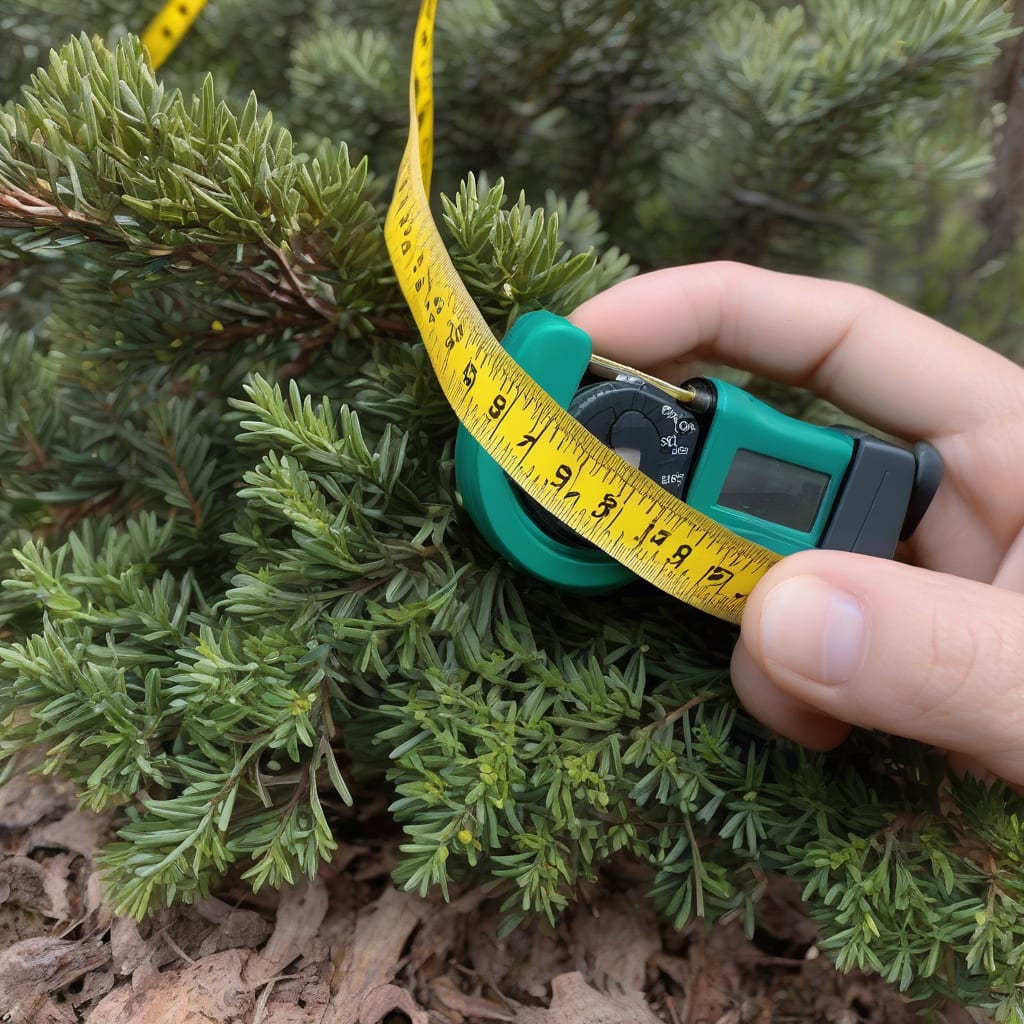
I’ve always been fascinated by junipers 🌳 – these versatile evergreens can transform any landscape with their unique shapes and sizes. But one question that often comes up is: how tall can they really grow?
Understanding juniper growth is crucial for garden planning, and I’m here to share the insights I’ve gathered. From compact varieties that stay under 3 feet to towering specimens that reach 30 feet or more, let’s explore what influences their height.

1-3 ft

2-6 ft

3-9 ft

3-30 ft
I’ve found that juniper height is influenced by multiple factors, including species type, climate conditions, and maintenance practices. Understanding these elements helps gardeners predict and manage their juniper’s growth effectively 🌳.
The growth potential of junipers varies significantly across different species. For instance, dwarf varieties typically remain under 6 feet tall, while some standard types can reach heights of 30 feet or more. Climate and soil quality also play crucial roles in determining the ultimate height of these plants.
The species type is perhaps the most significant factor in determining a juniper’s height. Some species naturally grow taller than others. For example, the Eastern Red Cedar can grow up to 40 feet tall, while the Blue Star Juniper remains compact at around 3 feet 🌲.
Climate conditions also significantly affect juniper growth. Junipers thrive in full sun and well-drained soil, which can support healthier and potentially taller growth. In contrast, poor soil conditions or inadequate sunlight can limit a juniper’s height.
Maintenance practices, such as regular pruning, can help control a juniper’s height and shape. Pruning not only maintains the desired size but also encourages denser growth, making it a crucial practice for managing juniper height effectively ✂️.
In summary, the height of junipers is influenced by a combination of inherent species characteristics and external factors like climate and care practices. By understanding these factors, gardeners can better manage their juniper plants to achieve the desired height and overall health 🌿.
For gardeners looking to optimize their juniper’s growth, it’s essential to consider these factors and adjust their care strategies accordingly. By doing so, they can ensure their junipers reach their full potential while maintaining a manageable size 🌻.
I’ve found that different juniper varieties exhibit a wide range of growth patterns and maximum heights. Understanding these variations is crucial for selecting the right juniper for your landscape needs 🌳.
The height potential of junipers varies significantly across different species. For instance, dwarf varieties typically remain under 6 feet tall, while some standard types can reach heights of 30 feet or more.
The Blue Star Juniper is a compact variety that typically remains under 3 feet tall, making it ideal for small landscapes or container gardens 🌲.
In contrast, the Eastern Red Cedar can grow significantly taller, reaching heights of up to 40 feet in ideal conditions. This variety is often used for larger landscapes or as a specimen tree 🌳.
Savin Juniper falls somewhere in between, with a mature height of around 15 feet. It’s a versatile option that can be used for hedges, screens, or as a standalone specimen 🌿.
When selecting a juniper variety, it’s essential to consider the mature height and growth rate to ensure it fits your landscape needs. Proper planning helps maintain the desired size and shape of your junipers for years to come 🌻.
By understanding the growth patterns of different juniper varieties, gardeners can make informed decisions about which type to plant and how to care for it effectively 🌱.
For more specific guidance on caring for your chosen juniper variety, consider consulting with a local nursery or gardening expert for personalized advice 🌼.
I always emphasize proper pruning and maintenance when it comes to managing juniper height. Regular care can help keep these versatile evergreens at the desired size while maintaining their health and appearance 🌳.
Pruning is a critical aspect of juniper care. It not only controls the height but also encourages denser growth, making the plant more visually appealing. I recommend pruning junipers during their dormant season to minimize stress on the plant ✂️.
Evaluate the juniper’s current height and shape to determine the necessary pruning extent
Remove select branches to maintain the desired height and promote a natural shape
Regularly check the juniper’s growth and perform maintenance pruning as needed
Effective pruning techniques are essential for managing juniper height. I always advise gardeners to use sharp, clean tools to prevent spreading diseases and to make precise cuts that help the plant heal quickly 🌿.
By following these pruning and care tips, gardeners can successfully manage their juniper’s height and enjoy a healthy, well-maintained landscape for years to come 🌻.
Regular maintenance not only keeps junipers looking their best but also supports their overall health and longevity. With the right care strategies, these beautiful evergreens can continue to enhance any garden or landscape 🌱.
