
Beautiful Plants For Your Interior
Beautiful Plants For Your Interior
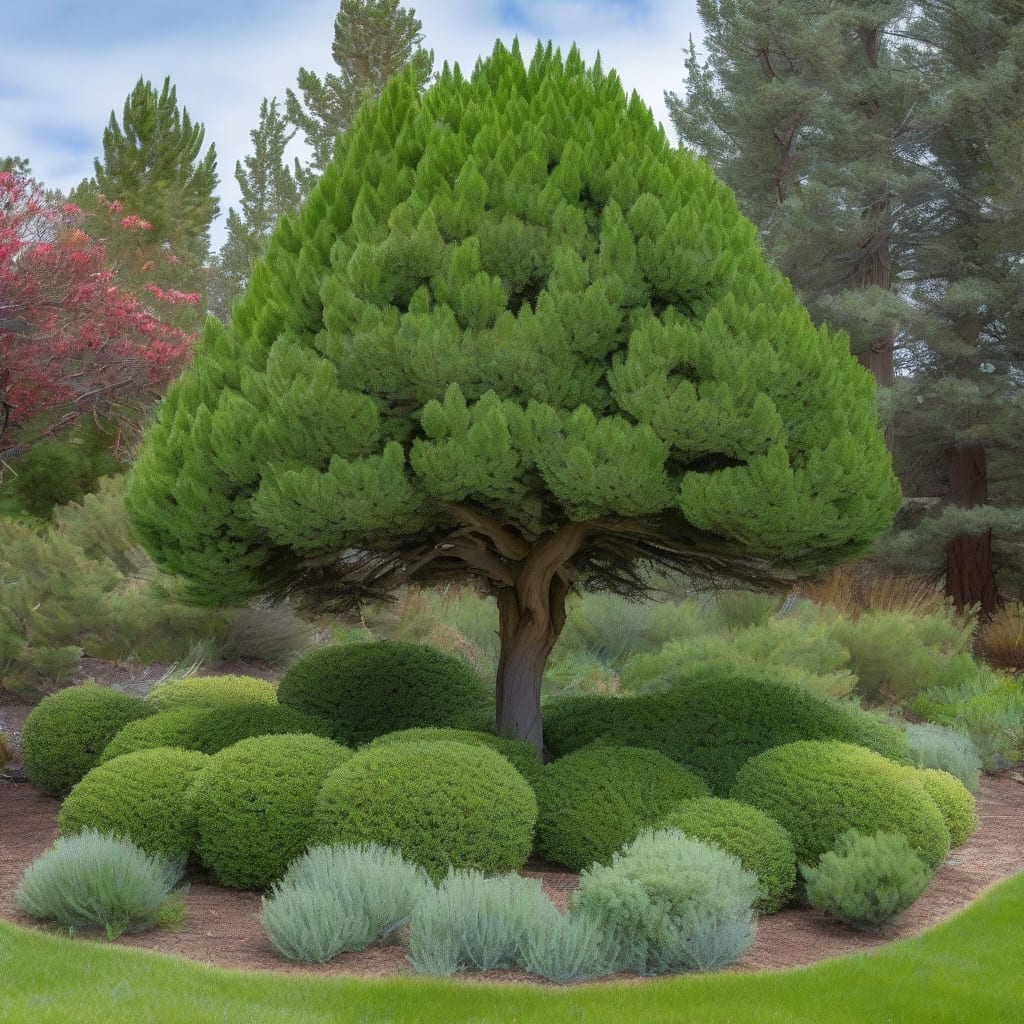
When planting a Juniper Tree 🌳 in your garden, understanding its growth potential is crucial for proper landscaping. These trees can grow to varying heights depending on their species and environmental conditions.
In USDA Zone 6, Juniper Trees can thrive year-round, reaching heights between 10-80 feet. Let’s explore the factors that influence their growth and how to manage their size effectively.


Juniper trees are known for their versatility and durability, but their growth potential varies significantly based on several factors. Understanding these factors is crucial for proper landscaping and garden planning 🌳.
The height of a juniper tree can be influenced by its species, soil conditions, and environmental factors. Different species have varying growth habits, ranging from compact shrubs to tall trees.
The height potential of a juniper tree is determined by its species. For example, the Chinese Juniper can grow up to 20 feet, while the Syrian Juniper can reach heights of 30 feet or more.
Soil quality plays a significant role in juniper tree growth. высоту 10-80 feet. Well-draining soil and adequate nutrients support healthy development, and poor soil can limit a tree’s maximum height.
Climate conditions, including temperature and precipitation, impact growth rates. Juniper trees thrive in dry to moderate climates and can tolerate various soil types, but extreme conditions can affect their height.
Sunlight exposure is crucial for juniper trees. They require full sun to achieve their maximum growth potential. Trees grown in shaded conditions may not reach their expected heights 🌟.
For optimal growth, ensure your juniper tree receives full sun and is planted in well-draining soil.
Juniper trees are known for their adaptability to different environments, but optimal conditions promote healthier and taller growth 🌿.
The growth rate of juniper trees varies by species and conditions. On average, they can grow 1-2 feet per year under ideal conditions.
Understanding these factors helps in selecting the right juniper species for your landscaping needs and managing their growth effectively 🌱.
By considering these elements, you can better predict and influence the height of your juniper trees, ensuring they thrive in your garden 🌼.
Juniper trees come in various species, each with its unique growth characteristics and maximum heights. Understanding these differences is essential for selecting the right tree for your landscaping needs 🌳.
The height of a juniper tree can vary significantly based on its species. Some compact varieties remain relatively small, while others can grow into tall trees.
The Chinese Juniper is a popular variety known for its adaptability and moderate growth rate, typically reaching heights of 15-20 feet. It’s often used in landscaping for its aesthetic appeal and hardiness 🌟.
The Syrian Juniper is another species that can grow taller, reaching heights of 25-30 feet or more. It has a faster growth rate compared to some other juniper varieties 🌱.
For those looking for a more compact option, the Blue Star Juniper is a dwarf variety that grows to only 2-3 feet in height. It’s ideal for small gardens or container planting 🌿.
Understanding the maximum heights and growth rates of different juniper species helps in planning your garden layout and maintenance needs 📝.
When selecting a juniper tree, consider the mature size of the tree and its growth rate to ensure it fits your landscape design and maintenance preferences 🌼.
Choose a juniper species that fits your space and maintenance expectations. Consider both the mature size and growth rate when making your selection.
By understanding the growth characteristics of different juniper tree varieties, you can make informed decisions for your landscaping projects 🌳.
Managing the height of your juniper tree is essential for maintaining its shape and ensuring it fits well within your landscape. Proper pruning techniques and care can help control the tree’s height and promote healthy growth 🌳.
Pruning is a critical aspect of juniper tree care. It not only helps maintain the desired height but also encourages a denser, more balanced structure. Regular pruning can prevent the tree from becoming too leggy or sparse.
Evaluate the tree’s current height and shape to determine the pruning needs.
Remove the top portion of the tree to control its height, and thin out inner branches to improve air circulation.
Regularly check the tree’s growth and adjust your pruning schedule as needed to maintain the desired height.
In addition to pruning, proper care practices such as adequate watering and fertilization can support the overall health of your juniper tree. Ensure the tree is planted in well-draining soil and receives full sun for optimal growth 🌟.
By following these pruning and care tips, you can effectively manage the height of your juniper tree and enjoy its beauty in your landscape for years to come 🌼.
The key to successful height management is regular maintenance and monitoring. With the right techniques, you can keep your juniper tree healthy and looking its best 🌱.
Proper pruning and care not only control the height but also enhance the tree’s natural beauty and promote a healthy, thriving landscape 🌿.
