
Beautiful Plants For Your Interior
Beautiful Plants For Your Interior
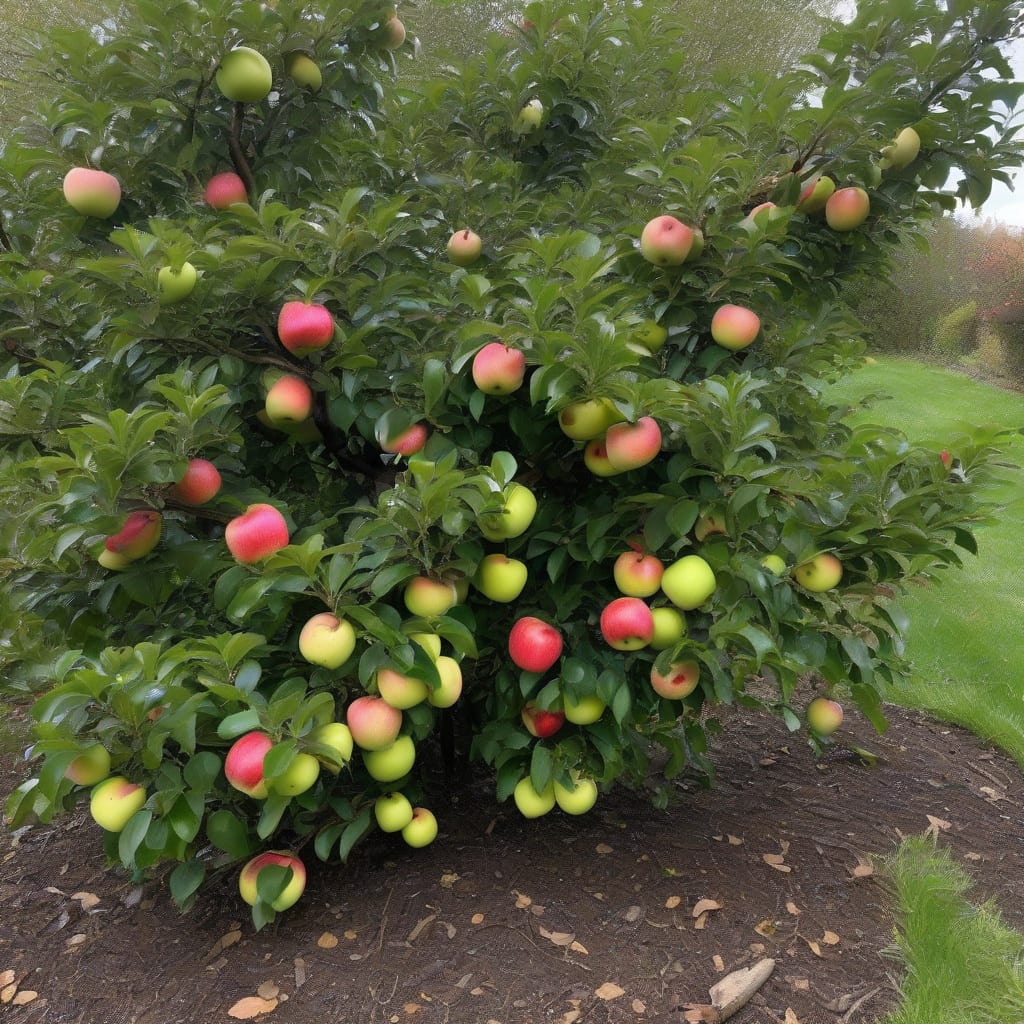
When growing dwarf Apple Trees 🍎, understanding their height is crucial for proper garden planning. These compact trees typically grow between 8-12 feet tall, making them perfect for smaller spaces.
Factors like rootstock, pruning, and growing conditions can influence their final height. By managing these elements, you can keep your tree at a desired size while still enjoying a bountiful harvest.


Dwarf apple trees are a popular choice for home gardeners due to their compact size and high fruit production. Understanding their growth patterns is crucial for maintaining a healthy and productive tree.
The height of dwarf apple trees is influenced by several factors, including the rootstock, variety, growing conditions, and pruning practices. Generally, dwarf apple trees grow to be between 8-12 feet tall, making them ideal for small gardens or containers.
The rootstock plays a significant role in determining the overall size of the tree. Dwarfing rootstocks, such as M9.apple, produce trees that are 8-12 feet tall. The variety of the apple tree also influences its growth pattern, with some varieties naturally growing more compactly than others.
Growing conditions, including soil quality, sunlight, and watering, significantly impact the tree’s height. Full sun and well-draining soil promote healthy growth, while adequate watering ensures the tree reaches its full potential height.
Pruning is a crucial practice for controlling the height of dwarf apple trees. Regular pruning helps maintain the tree’s shape and size, promotes fruiting, and removes any diseased or damaged branches. By pruning your dwarf apple tree annually, you can keep it at a manageable height while encouraging a bountiful harvest.
Understanding these factors and how they influence the growth of your dwarf apple tree allows you to make informed decisions about its care. By selecting the right rootstock, providing optimal growing conditions, and practicing regular pruning, you can enjoy a healthy and productive tree that fits perfectly in your garden.
Dwarf apple trees are not only compact but also highly productive, making them an excellent choice for gardeners with limited space. With proper care and maintenance, these trees can thrive and provide you with delicious apples for years to come.
In conclusion, dwarf apple trees typically grow to be between 8-12 feet tall, but their exact height can vary based on several factors. By understanding and managing these factors, you can cultivate a thriving and productive tree that meets your needs and enhances your garden.
The height of dwarf apple trees is influenced by multiple factors that interact to determine their final size. Understanding these factors is crucial for gardeners who want to manage their tree’s height effectively. Several key elements play a significant role in shaping the growth pattern of these compact fruit trees 🌳.
Soil quality significantly impacts the growth of dwarf apple trees. Well-draining soil with a pH between 6.0 and 6.5 is ideal. Poor soil conditions can limit root development, affecting overall tree height.
Climate plays a crucial role in determining tree height. Adequate chill hours are necessary for fruit production, while extreme temperatures can damage the tree. Areas with mild winters and cool summers tend to produce healthier trees.
Pruning is a critical factor in controlling tree height. Regular pruning helps maintain a desired size, promotes fruiting, and removes diseased or damaged branches. Techniques like central leader or open center pruning can be used to shape the tree.
The rootstock determines the tree’s overall size and vigor. Dwarfing rootstocks like M9 or M26 are commonly used for dwarf apple trees. The choice of rootstock has a significant impact on the tree’s mature height and its ability to thrive in different soil conditions.
By understanding and managing these factors, gardeners can influence the height of their dwarf apple trees. Proper care and attention to these elements will help ensure a healthy and productive tree that fits well within the garden’s landscape 🌼.
Each factor plays a unique role in shaping the tree’s growth pattern. For instance, soil quality affects nutrient availability, while climate conditions impact the tree’s overall health. Pruning techniques allow gardeners to control the tree’s size and shape actively, and the rootstock provides the foundation for the tree’s growth potential 🌱.
Regular monitoring and adjustment of these factors are essential for maintaining a balanced and thriving tree. By making informed decisions about soil management, climate adaptation, pruning practices, and rootstock selection, gardeners can optimize their dwarf apple tree’s growth and productivity 📈.
In conclusion, the height of dwarf apple trees is a complex trait influenced by multiple factors. By understanding and managing these elements, gardeners can cultivate healthy and productive trees that meet their needs and enhance their garden’s beauty 🌸.
Controlling the height of dwarf apple trees is essential for maintaining a productive and visually appealing garden. By implementing effective pruning strategies and training methods, you can keep your tree at a manageable height while promoting healthy growth and fruit production.
Prune your dwarf apple tree annually to maintain its shape and promote fruiting. Remove any diseased or damaged branches to keep the tree healthy.
Pruning is a critical practice for managing the size of dwarf apple trees. By pruning your tree regularly, you can control its height, encourage fruit production, and maintain its overall health. Techniques such as central leader or open center pruning can be used to shape the tree and promote a balanced structure.
In addition to pruning, training your dwarf apple tree can help maintain its size and promote healthy growth. Techniques like espalier or trellis training can be used to control the tree’s height and shape, making it ideal for small gardens or containers.
Regular maintenance is also crucial for keeping your dwarf apple tree at a manageable height. This includes monitoring the tree’s growth, adjusting pruning techniques as needed, and ensuring the tree receives adequate sunlight and watering. By following these tips, you can enjoy a healthy and productive tree that fits perfectly in your garden 🌼.
In summary, managing the size of dwarf apple trees requires a combination of effective pruning strategies, training methods, and regular maintenance. By implementing these practices, you can keep your tree at a desired height while promoting healthy growth and fruit production.
