
Beautiful Plants For Your Interior
Beautiful Plants For Your Interior
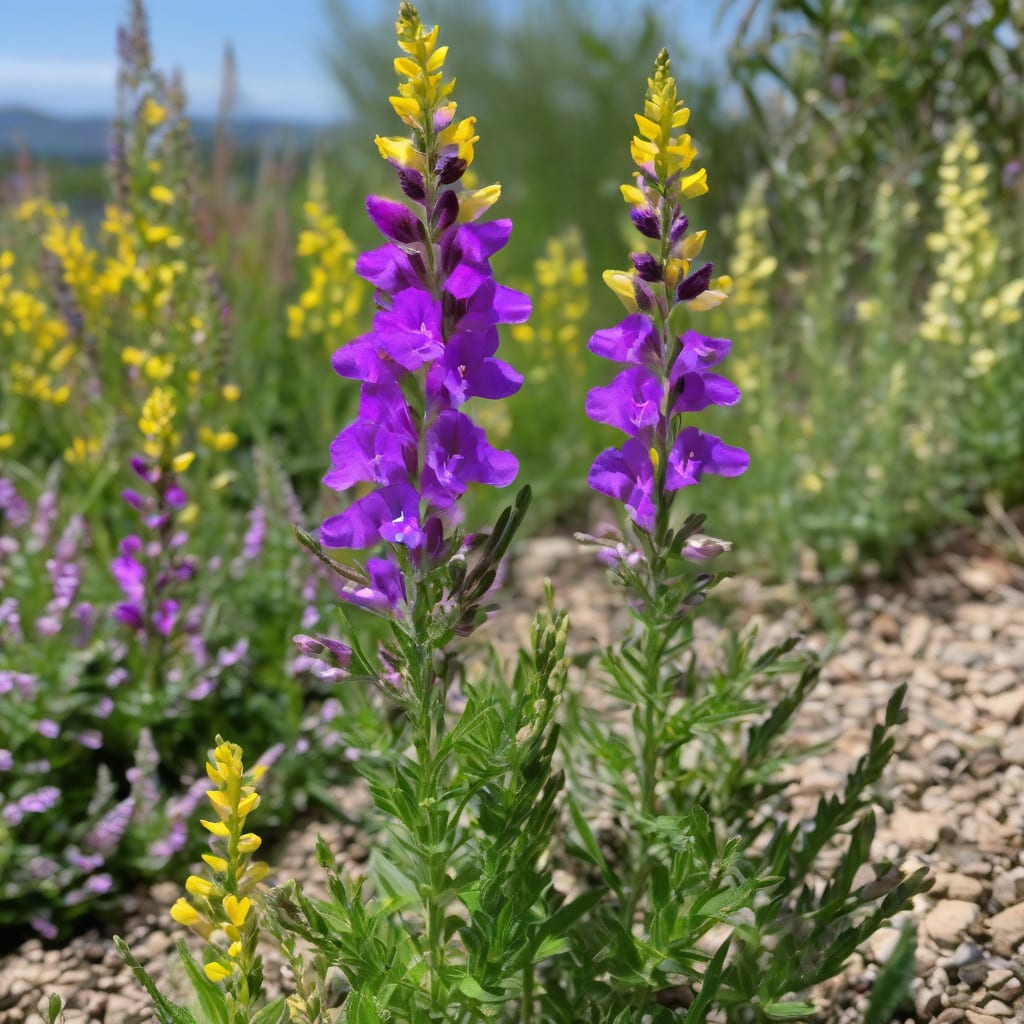
When growing Linaria 💐, understanding its height is crucial for garden planning. This charming flowering plant typically grows between 1-3 feet tall, making it perfect for various garden settings.
Factors like soil quality, sunlight, and watering can affect Linaria’s growth. In USDA Zone 6, with proper care, you can expect beautiful blooms that add delicate beauty to your garden. Let’s explore how to optimize conditions for your Linaria.

Linaria, commonly known as toadflax, is a charming flowering plant that adds delicate beauty to gardens. Understanding its growth habits is crucial for optimal placement and care. The typical height of Linaria plants ranges between 1-3 feet, making them suitable for various garden settings.
Several factors can influence the height of Linaria, including soil quality, sunlight exposure, and watering practices. In general, Linaria plants prefer well-draining soil and full sun to achieve their maximum height potential. Proper care can help these plants reach their expected height range.
The height of Linaria can vary depending on the specific variety and growing conditions. Some compact varieties may remain under 2 feet tall, while others can grow up to 3 feet or more under ideal conditions. Understanding these growth patterns helps gardeners plan their garden layouts effectively.
Linaria plants are known for their delicate, snapdragon-like flowers that bloom in various colors, including shades of yellow, purple, and white. The plants typically have a upright growth habit, with slender stems that may require support if they become too tall or if grown in exposed locations.
In terms of growth rate, Linaria is considered a moderate grower. It can establish itself relatively quickly under favorable conditions, producing blooms within a few months of planting. This growth rate makes it a popular choice for gardeners looking to add color and interest to their gardens without long waiting periods.
To encourage Linaria to reach its full height potential, gardeners should ensure that the plants receive adequate sunlight and are grown in well-draining soil. Regular watering, without overwatering, also supports healthy growth. Additionally, providing some support to taller varieties can help prevent them from becoming too leggy or prone to lodging.
Linaria’s height makes it versatile for different garden designs. It can be used in border plantings, wildflower gardens, or even in container gardens, provided the containers are deep enough to accommodate their root system. The plant’s height also makes it suitable for cutting gardens, as the flowers can be easily harvested for fresh arrangements.
Overall, Linaria’s manageable height and beautiful blooms make it a delightful addition to many garden styles. By understanding its growth expectations and providing appropriate care, gardeners can enjoy the charm of these flowering plants throughout the growing season 🌼.
For gardeners in USDA Zone 6, where Linaria thrives, the plants typically start growing in early spring and continue through the summer months. With proper care, Linaria can be a low-maintenance and rewarding addition to any garden, providing a burst of color and attracting pollinators 🌿.
By considering the height expectations of Linaria and planning accordingly, gardeners can create beautiful and balanced garden displays. Whether used as a focal point or as part of a mixed planting, Linaria’s height and flowering characteristics make it a valuable choice for many gardeners 🌻.
Linaria’s height is influenced by various environmental factors that gardeners should consider for optimal growth. The plant’s height can be affected by soil quality, sunlight exposure, and watering practices. Understanding these factors helps in creating ideal growing conditions.
Soil quality plays a significant role in determining Linaria’s height. The plant prefers well-draining soil with a balanced nutrient profile. Poor soil conditions can lead to stunted growth, while optimal soil quality supports healthy development.
Linaria plants can adapt to various soil types but thrive best in slightly acidic to neutral soil pH. Maintaining optimal soil conditions is key to achieving maximum height.
Sunlight is another critical factor affecting Linaria’s height. The plant requires full sun to achieve its maximum height potential. In areas with insufficient sunlight, Linaria may become leggy or fail to reach its expected height.
Watering practices also impact Linaria’s growth. Regular watering is essential, but overwatering can be detrimental. Gardeners should aim for a balance to support healthy growth without causing root rot or other issues.
In addition to these factors, temperature and fertilization can also influence Linaria’s height. The plant thrives in temperate climates and benefits from balanced fertilization during the growing season.
By understanding and managing these factors, gardeners can create optimal conditions for Linaria to reach its full height potential. Proper care and attention to these details will result in healthier, more robust plants that add beauty to any garden 🌿.
For gardeners in USDA Zone 6, where Linaria is well-suited, following these guidelines can lead to successful cultivation. The plant’s adaptability and relatively low maintenance make it an excellent choice for various garden settings 🌻.
Overall, Linaria’s height is a result of a combination of factors. By providing the right conditions and care, gardeners can enjoy the full beauty of these charming flowering plants 🌼.
To effectively manage Linaria height for better garden display, gardeners can employ several strategies. Proper care techniques can help maintain the plant’s natural height while enhancing its overall appearance 🌿.
One effective method is pruning. Regular pruning can help control the height of Linaria plants and encourage bushier growth. By trimming back the stems after the first flush of blooms, gardeners can promote a second round of flowering and maintain a more compact shape 🌼.
For taller Linaria varieties, providing support can be beneficial. Gardeners can use stakes or cages to keep the plants upright, especially in windy or exposed locations. This support helps maintain the plant’s height while preventing damage to the stems 🌻.
Companion planting is another strategy for managing Linaria height in garden displays. By pairing Linaria with other plants of similar height and growth habits, gardeners can create balanced and visually appealing arrangements. This approach also helps in maximizing space and creating a cohesive garden design 🌿.
Overall, managing Linaria height involves a combination of proper care techniques and thoughtful garden planning. By employing these strategies, gardeners can enjoy the beauty of Linaria while maintaining a well-balanced and attractive garden display 💐.
