
Beautiful Plants For Your Interior
Beautiful Plants For Your Interior
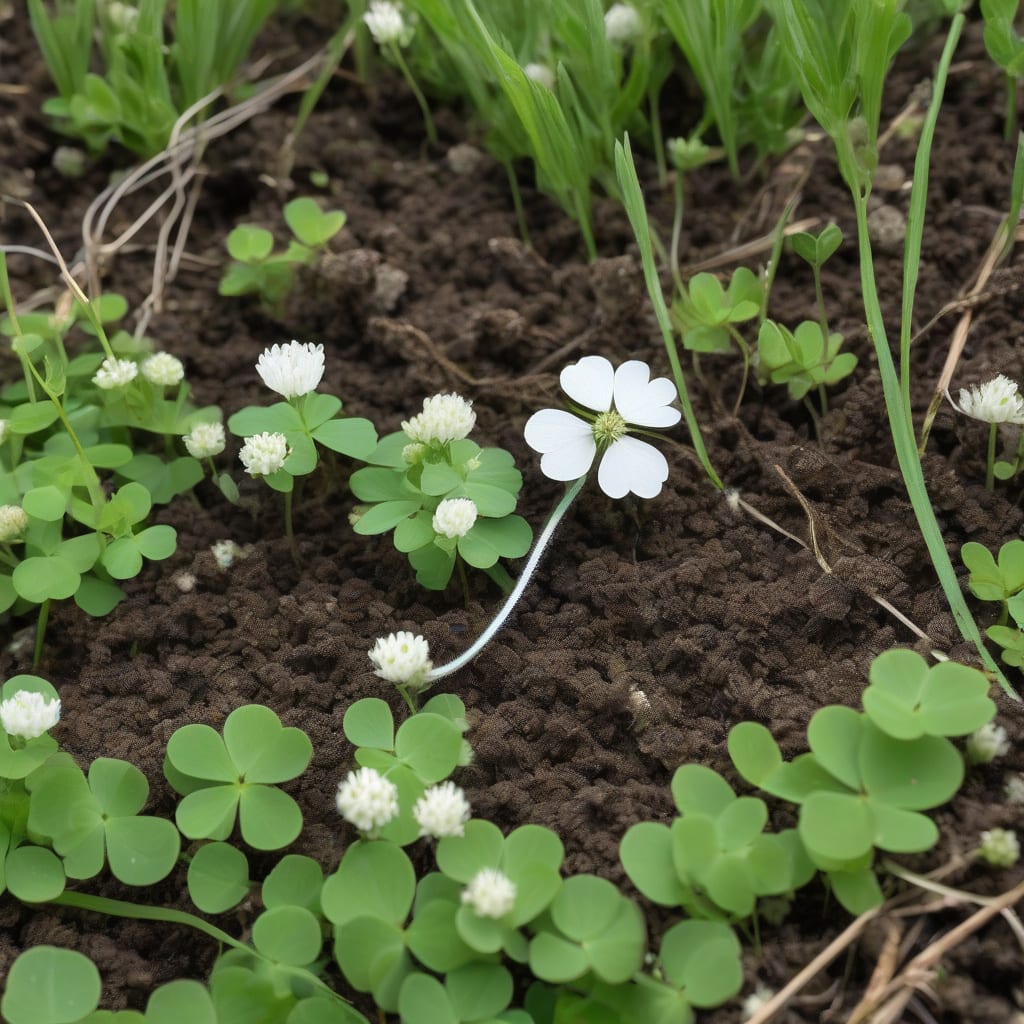
As a gardener, I’ve always been fascinated by the charming 🌼 clover plant. Understanding how tall clovers grow is crucial for successful cultivation, whether you’re working with white clover, red clover, or microclover in USDA Zone 6.
Clover plants can grow anywhere from 0.5 to 2 feet tall, depending on the variety and growing conditions. Let’s explore the factors that affect their height and how to manage them for optimal garden performance.

1 ft

1.5 ft

2 ft

2 ft
Clover plants are known for their versatility and varying growth patterns. The height of clover plants can range from 0.5 to 2 feet, depending on the specific variety and growing conditions.
Different types of clover have distinct growth habits. For example, white clover tends to be more compact, while red clover can grow taller. Understanding these differences is key to managing your clover crop effectively 🌼.
The height of clover plants is influenced by several factors, including soil quality, sunlight, and watering practices. For instance, clovers growing in poor soil may not reach their full potential height. Similarly, inadequate sunlight can limit their growth.
In my experience, clover plants grown in optimal conditions with full sun and well-draining soil tend to reach their maximum height potential. Regular watering also plays a crucial role in supporting healthy growth.
Clover height can vary significantly across different environments. For example, clovers grown in lawns may be more compact due to regular mowing, while those in wildflower meadows can grow taller.
Understanding the typical height range of different clover varieties is essential for garden planning. By knowing what to expect, you can better manage your garden’s ecosystem and make informed decisions about companion planting.
When selecting clover varieties, consider your specific gardening goals. If you’re looking for a low-growing cover crop, white clover or microclover could could could might be the best choice. For taller growth, red clover is a good option.
Clover plants are not only beautiful but also beneficial for the ecosystem. They attract pollinators, improve soil health, and can be used as a natural fertilizer.
In conclusion, understanding the height range of different clover varieties helps gardeners make informed decisions. By choosing the right type of clover for your needs, you can create a thriving and diverse garden ecosystem 🌱.
By maintaining optimal growing conditions, you can ensure your clover plants reach their full height potential and provide the desired benefits for your garden.
Clover plant height is influenced by several key factors that gardeners should consider for optimal growth. The main factors include soil quality, sunlight exposure, watering practices, and mowing habits. Understanding these elements helps in creating ideal growing conditions 🌿.
Soil quality plays a crucial role in determining clover height. Clover plants grown in well-draining, nutrient-rich soil tend to reach their maximum height potential. Poor soil conditions can limit growth and result in shorter plants.
Different clover varieties respond differently to these factors. For example, white clover is more tolerant of shade and poor soil, while red clover prefers better soil conditions.
In my experience, maintaining optimal growing conditions is key to achieving desired clover height. This includes monitoring soil moisture levels and adjusting watering schedules accordingly.
Clover height management also involves considering the specific gardening goals. For instance, if you’re using clover as a cover crop, you may want to maintain a shorter height through regular mowing.
By understanding and controlling these factors, gardeners can effectively manage clover plant height and create a thriving garden ecosystem.
Regular maintenance practices like mowing and trimming not only control height but also promote healthier plant growth.
Overall, the combination of proper soil management, appropriate sunlight, consistent watering, and thoughtful mowing practices will help achieve optimal clover height 🌼.
Maintaining the ideal height of clover plants is crucial for achieving optimal garden performance. Proper management techniques can help you achieve your gardening goals, whether you’re growing clover as a cover crop or incorporating it into your landscape design.
To manage clover height effectively, it’s essential to understand the specific needs of your plants. Different clover varieties have unique growth habits, and factors like soil quality, sunlight exposure, and mowing practices can significantly impact their height.
For optimal clover height management, maintain a mowing height of 2-3 inches to promote dense growth while preventing flowering. Adjust your mowing schedule based on growth rates during different seasons 🌼.
In my experience, regular mowing is one of the most effective ways to control clover height. By maintaining a consistent mowing schedule, you can encourage denser growth and prevent the plants from becoming too leggy.
Companion planting is another strategy for managing clover height. By pairing clover with other plants that complement its growth habits, you can create a more balanced and diverse garden ecosystem.
For example, planting clover alongside grasses or other low-growing groundcovers can help to create a lush, weed-suppressing mat that requires minimal maintenance.
By implementing these strategies, you can effectively manage clover height and achieve your gardening goals. Whether you’re looking to create a beautiful meadow or simply want to incorporate clover into your existing landscape, proper height management is key to success 🌿.
