
Beautiful Plants For Your Interior
Beautiful Plants For Your Interior
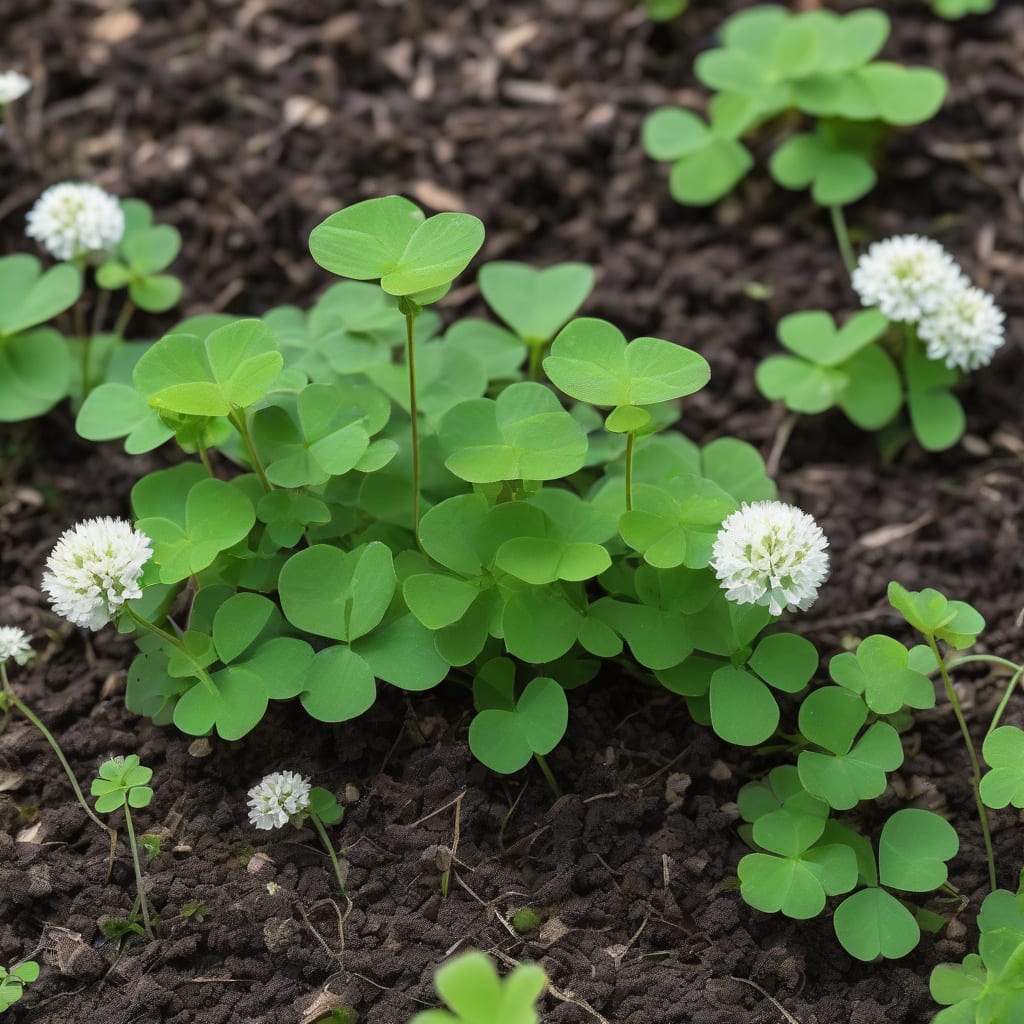
When I first started growing clover 🌿 in my garden, I wondered how tall it would get. The height of clover can vary depending on the variety and growing conditions.
Clover typically grows between 0.5 to 2 feet tall, making it a great choice for lawns and gardens in USDA Zone 6. Let’s explore the factors that affect its growth and how to keep it healthy.


Clover is a versatile plant that comes in various types, each with its unique growth characteristics. The height of clover can vary significantly depending on the specific variety, growing conditions, and maintenance practices. Understanding these differences is crucial for gardeners and landscapers to make informed decisions about their clover cultivation.
Different types of clover have distinct growth patterns and heights. For instance, white clover (Trifolium repens) is known for its low-growing nature, typically reaching heights of 4-8 inches, while red clover (Trifolium pratense) can grow taller, often between 1-2 feet. Microclover, a dwarf variety of white clover, is even shorter, usually staying under 2 inches in height.
The height of clover is influenced by several factors, including soil quality, sunlight exposure, and watering practices. Clover generally thrives in well-drained soil and full sun to partial shade. Proper maintenance, such as regular mowing and fertilization, can also impact the overall height and health of the clover.
For garden garden garden garden garden garden garden garden garden garden garden garden garden garden garden garden garden garden garden with help
Understanding the growth habits of different clover varieties helps gardeners make informed decisions about their landscape design and maintenance routines. By choosing the right type of clover and providing appropriate care, gardeners can enjoy the benefits of this versatile and attractive plant 🌿.
Clover is a nitrogen-fixing legume that can improve soil quality while providing a beautiful ground cover. Its height varies by variety, making it suitable for different landscaping needs.
The ideal growing conditions for clover include well-drained soil and partial shade to full sun. Regular maintenance helps keep clover healthy and thriving.
The height of clover is influenced by several key factors that gardeners should consider when cultivating this versatile plant. Understanding these elements can help in managing clover effectively in various garden settings 🌿.
Environmental conditions play a crucial role in determining clover height. Factors such as soil quality, sunlight exposure, and watering practices significantly impact clover growth. Clover generally thrives in well-drained soil with adequate moisture and full sun to partial shade.
In addition to environmental factors, maintenance practices also significantly affect clover height. Regular mowing and fertilization can help maintain the desired height and promote healthy growth 🌱.
By understanding and managing these factors, gardeners can optimize clover growth and achieve the desired height for their specific landscaping needs.
Clover’s height can be managed through regular mowing and proper fertilization, ensuring it remains healthy and visually appealing.
Effective clover management involves balancing environmental conditions with appropriate maintenance practices to achieve optimal growth and height 🌼.
Maintaining the ideal height of clover is crucial for its performance in garden settings. Regular maintenance practices can help achieve the desired height and promote healthy growth 🌱.
To maintain optimal clover height, mow regularly and avoid over-fertilizing, as this can lead to excessive growth.
The height of clover can be effectively managed through mowing and proper fertilization. Regular mowing helps keep the clover at a uniform height, while balanced fertilization promotes healthy growth without causing the plants to become too leggy.
For optimal results, gardeners should mow their clover regularly, typically every 4-6 weeks during the growing season. The mowing height should be adjusted according to the specific variety of clover and the desired landscape effect.
Fertilization should be done judiciously, as over-fertilization can lead to excessive growth and increased maintenance needs. A balanced fertilizer applied at the right time can support healthy clover growth.
By following these maintenance tips, gardeners can enjoy a lush, healthy clover cover that enhances their garden’s beauty and functionality 🌿.
Effective clover management involves regular monitoring and maintenance to ensure optimal growth and height 🌼.
