
Beautiful Plants For Your Interior
Beautiful Plants For Your Interior
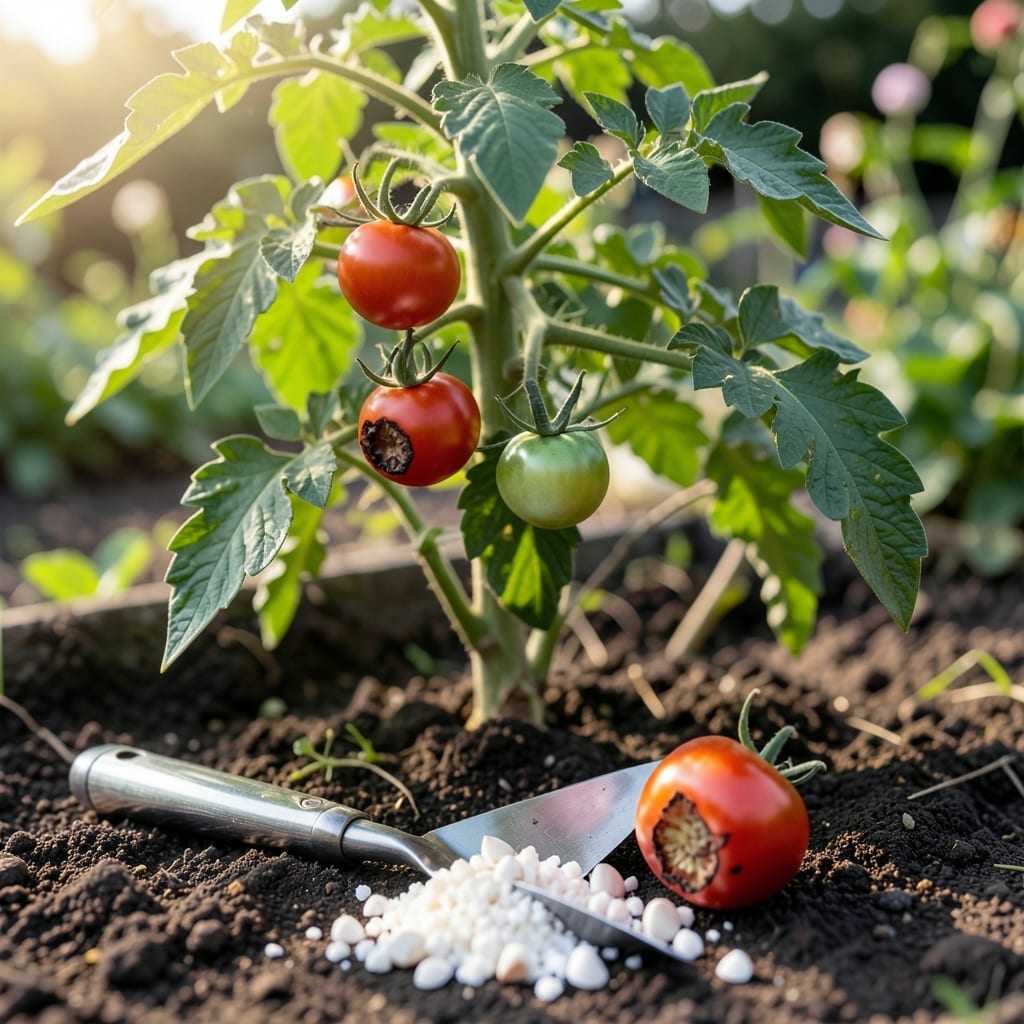
I first noticed it on my tomato plants last summer—healthy-looking blooms suddenly turning brown and dropping off. Blossom rot doesn’t just look bad; it can wipe out your potential harvest before fruit even forms.
The problem usually starts with inconsistent watering or calcium deficiency in the soil. I’ve learned that catching it early makes all the difference. Once you spot the telltale brown spots on blossoms, you can still save the rest of your plants.
Natural fixes like crushed eggshells or a calcium spray can help reverse the damage. There’s also a simple soil test you can do at home to confirm if calcium is the issue.
With the right approach, your plants can recover and still produce a strong harvest later in the season. Here’s how to tackle it step by step.
Blossom rot is a frustrating issue for gardeners, often stemming from a mix of environmental and biological factors. Understanding the root causes helps you prevent and address the problem effectively.
One of the most common causes is a lack of calcium in the plant’s tissues. Calcium is vital for cell wall strength, and when it’s scarce, blossoms and young fruits become vulnerable to decay. This deficiency often arises from uneven soil moisture—either too much or too little—which disrupts calcium uptake. Sandy or acidic soils may also lack sufficient calcium, exacerbating the issue.
Inconsistent watering—drought followed by heavy irrigation—creates stress that triggers blossom rot. Fluctuating soil moisture levels prevent the plant from absorbing calcium efficiently, even if it’s present in the soil. Overwatering can be just as harmful, leading to root damage and poor nutrient uptake.
Pathogens like Botrytis cinerea (gray mold) or Monilinia spp. (brown rot) thrive in humid, poorly ventilated conditions. These fungi and bacteria infect blossoms, especially in dense canopies or after rain, causing rapid rot. Wet foliage and debris left on the soil surface can also harbor and spread these pathogens.
An excess of nitrogen or potassium can interfere with calcium absorption, tipping the nutritional balance. High-nitrogen fertilizers promote lush foliage at the expense of fruit and blossom health, while excessive potassium may block calcium uptake entirely. Regular soil testing ensures optimal nutrient levels.
Blossom rot can be frustrating, but with the right approach, your plants can recover and thrive. Below are targeted solutions for common causes, paired with prevention tips to keep your garden healthy.
If the rot is caused by pathogens, remove affected blossoms immediately to prevent spread. Apply a copper-based fungicide or neem oil spray early in the morning or late evening to avoid harming pollinators. For severe cases, a baking soda solution (1 tbsp baking soda + 1 tsp dish soap + 1 gallon of water) can help.
Prevention: Improve air circulation by pruning dense foliage. Avoid overhead watering to keep leaves dry.
Blossom rot thrives in soggy conditions. Switch to drip irrigation to water at the base, and ensure your soil has good drainage. If your plants are in containers, check for clogged drainage holes.
Prevention: Use well-draining soil mixes with perlite or sand. Mulch with organic matter to regulate moisture.
A lack of calcium or magnesium can weaken blossoms, making them susceptible to rot. Apply a balanced fertilizer or add crushed eggshells (for calcium) to the soil. For quick results, use a foliar spray with Epsom salt (1 tbsp per gallon of water).
Prevention: Test your soil annually and amend it with compost or organic matter to maintain nutrient balance.
Extreme heat or cold can stress plants, leading to blossom rot. Provide shade cloth during heatwaves or use row covers for unexpected frosts.
Prevention: Plant varieties suited to your climate and monitor weather forecasts to act proactively.
💡 Pro Tip: Early detection is key! Inspect plants weekly for discolored or wilted blossoms, and act fast to nip the problem in the bud.
With proper care, new blossoms may appear within 7-14 days. Recovery speed depends on the severity and how quickly you addressed the underlying cause like calcium deficiency or moisture stress.
Yes! A baking soda spray or crushed eggshells for calcium can work. For fungal issues, neem oil is effective and safe for most plants. Always test on a small area first.
Overwatering after spotting rot worsens the problem. Stick to consistent, moderate watering and improve drainage instead of increasing water. This prevents further stress on the plant.