
Beautiful Plants For Your Interior
Beautiful Plants For Your Interior
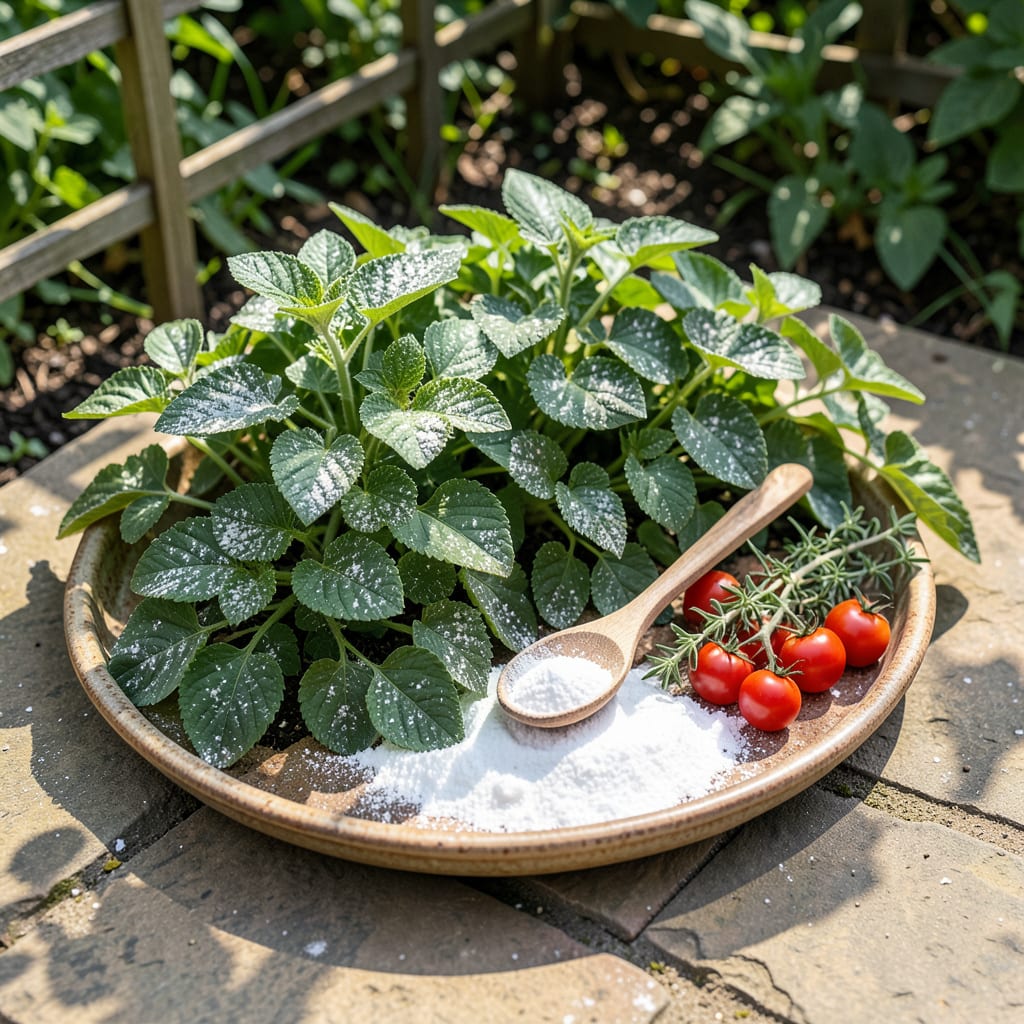
Powdery mildew on your leaves isn’t a death sentence. I’ve rescued countless plants with a simple household solution that costs pennies and works surprisingly well.
Here’s the thing—baking soda disrupts the mold’s natural chemistry without harming your plants. Mix it right, apply it properly, and you’ll see visible improvement within days, not weeks.
Your plants will bounce back with healthier foliage, and the best part? This isn’t just treatment—it’s prevention for future outbreaks. No fancy equipment, no harsh chemicals.
Works on everything from roses to cucumbers. The key is timing and consistency, not strength.
Mold on plants doesn’t appear out of nowhere—it thrives under specific conditions. Understanding the root causes helps you prevent it and use solutions like baking soda more effectively. Here’s why it happens:
Mold spores love damp environments. Overwatering, poor drainage, or high humidity creates the perfect breeding ground. When leaves stay wet for extended periods (especially overnight), fungal spores germinate and spread. Pro tip: Water plants at the base early in the day to allow foliage to dry quickly.
Stagnant air traps moisture around leaves, encouraging mold growth. Dense plantings, crowded pots, or indoor spaces without ventilation are prime culprits. Even a gentle breeze disrupts spores’ ability to settle and multiply.
Dead leaves, fallen petals, or decaying mulch provide food for mold. As organic matter breaks down, it releases nutrients that fuel fungal growth. Regularly remove debris from soil surfaces and prune damaged foliage to starve spores.
Mold thrives in warm, humid conditions (70–80°F) but can also explode when cool nights follow warm days. This temperature swing causes condensation on leaves, giving spores the moisture they need to take hold.
Reusing dirty pots, tools, or infected soil introduces mold spores to healthy plants. Always sterilize gardening tools with rubbing alcohol and use fresh, well-draining potting mix to avoid reinfection.
Mold on plants is a common issue, but baking soda offers a simple, natural solution. Below are targeted fixes for different mold types, along with prevention tips to keep your plants healthy.
Cause: High humidity and poor air circulation.
Fix: Mix 1 teaspoon of baking soda, 1 quart of water, and a few drops of dish soap. Spray this solution on affected leaves weekly until the mold disappears. The baking soda disrupts the fungal growth, while the soap helps the mixture stick.
Prevention: Improve airflow around plants and avoid overhead watering. 💡 Pro tip: Space plants apart to reduce humidity buildup.
Cause: Excess moisture and cool temperatures.
Fix: Use a stronger solution: 1 tablespoon of baking soda, 1 gallon of water, and 1 tablespoon of vegetable oil. Spray the undersides of leaves, where downy mildew often hides. Repeat every 5-7 days.
Prevention: Water plants in the morning so leaves dry quickly. ✨ Pro tip: Remove heavily infected leaves to prevent spread.
With these steps, baking soda can be your go-to for safe, effective mold control without harsh chemicals.
For active mold, spray every 5-7 days until it clears. For prevention, use every 2 weeks during damp seasons. Consistency matters more than strength.
Most plants tolerate it, but test on a small area first. Avoid using on delicate foliage like ferns or baby seedlings. The solution works best on hardy leaves.
The soap helps the solution stick to leaves longer. Use just a few drops per quart of water to avoid residue buildup or leaf damage.
Reapply the spray and address the root cause. Improve airflow, reduce humidity, and remove affected leaves to prevent recurrence.
