
Beautiful Plants For Your Interior
Beautiful Plants For Your Interior
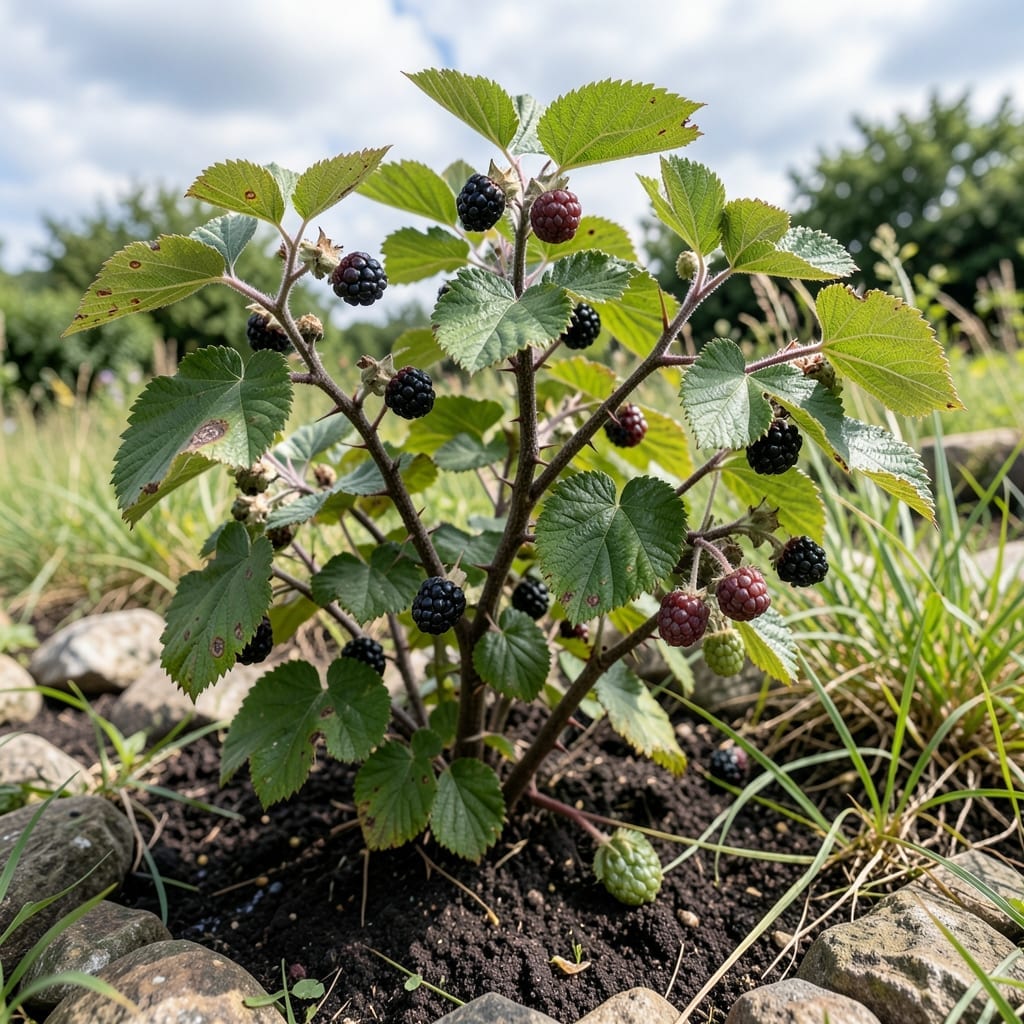
Spotted the first purple splotches on your blackberry leaves last week. I ignored them—big mistake. Within days, those quarter-sized spots turned brown, then black, and started merging into dead patches that killed entire canes.
This isn’t just cosmetic damage. Left unchecked, it cripples fruit production and weakens plants for next season. The culprit thrives in wet conditions, so spring and early summer are prime time for outbreaks.
Here’s the thing—you can reverse early infections and prevent future ones with a few simple adjustments. Timing matters more than fancy products, and I’ve tested both organic and conventional approaches.
Your berries can rebound stronger. The fix starts with understanding what’s really happening in your patch.
Blackberry leaf spot is primarily triggered by fungal pathogens, environmental conditions, and cultural practices that stress the plant. Below are the key causes, broken down for clarity:
The most common culprits are Cercospora and Septoria fungi, which thrive in warm, wet conditions. These pathogens spread via spores carried by wind, rain, or contaminated tools. Once they land on leaves, they germinate and infect the tissue, leading to the characteristic dark or purple spots.
Overhead watering, poor drainage, or high humidity create the perfect environment for fungal growth. Wet leaves for extended periods (especially overnight) accelerate spore germination. Drip irrigation at the base of plants can help reduce this risk.
Dense plantings or overgrown canes limit airflow, trapping moisture and creating a microclimate that favors leaf spot. Pruning to open the canopy and spacing plants properly improves ventilation, making it harder for fungi to take hold.
Weak or stressed blackberry plants are more susceptible to infections. A lack of key nutrients like potassium or nitrogen can compromise the plant’s natural defenses, leaving it vulnerable to fungal attacks.
When blackberry leaf spot strikes, quick action can save your plants. Below are targeted fixes for each cause, paired with prevention tips to keep your berries thriving.
If spots are circular with gray centers, a fungus is likely the culprit. Prune infected leaves immediately—use sterilized shears to avoid spreading spores. Apply a copper-based fungicide or neem oil spray every 7–10 days until symptoms fade. Prevention tip: 💡 Space plants 3–4 feet apart for airflow, and water at the base to keep foliage dry.
Wet leaves breed fungi. Switch to drip irrigation or water early in the day so foliage dries by evening. If hand-watering, aim for the soil, not the leaves. Prevention tip: ✨ Mulch with straw to reduce soil splashing onto leaves, which can carry spores upward.
Dense canopies trap moisture, encouraging spots. Thin out old canes and remove 1/3 of the inner growth to improve airflow. After harvest, prune spent floricanes to the ground. Prevention tip: 🎯 Train new canes on a trellis to keep them upright and separated.
Fallen leaves and berries harbor fungi over winter. Rake and destroy (do not compost) all plant debris after harvest. Disinfect tools with rubbing alcohol between cuts. Prevention tip: 🌡️ Solarize soil in infested areas by covering with clear plastic for 4–6 weeks to kill lingering spores.
Consistency is key—monitor leaves weekly and act at the first sign of trouble. Healthy plants bounce back faster!
Look for purple or brown spots on leaves, often with gray centers. They may merge into larger dead patches. Check undersides for tiny black dots, which are fungal spores.
Yes! A mix of 1 teaspoon baking soda and 1 quart water with a drop of dish soap can help. Spray every 7-10 days on affected leaves. Neem oil is another effective organic option.
They may, but yield and quality will suffer. Severe infections weaken canes, reducing fruit size and flavor. Act fast to save this season’s harvest and protect next year’s growth.
Remove the worst-affected leaves first to slow the spread. If over 30% of foliage is infected, prune the entire cane. Always sterilize tools between cuts to prevent contamination.