
Beautiful Plants For Your Interior
Beautiful Plants For Your Interior
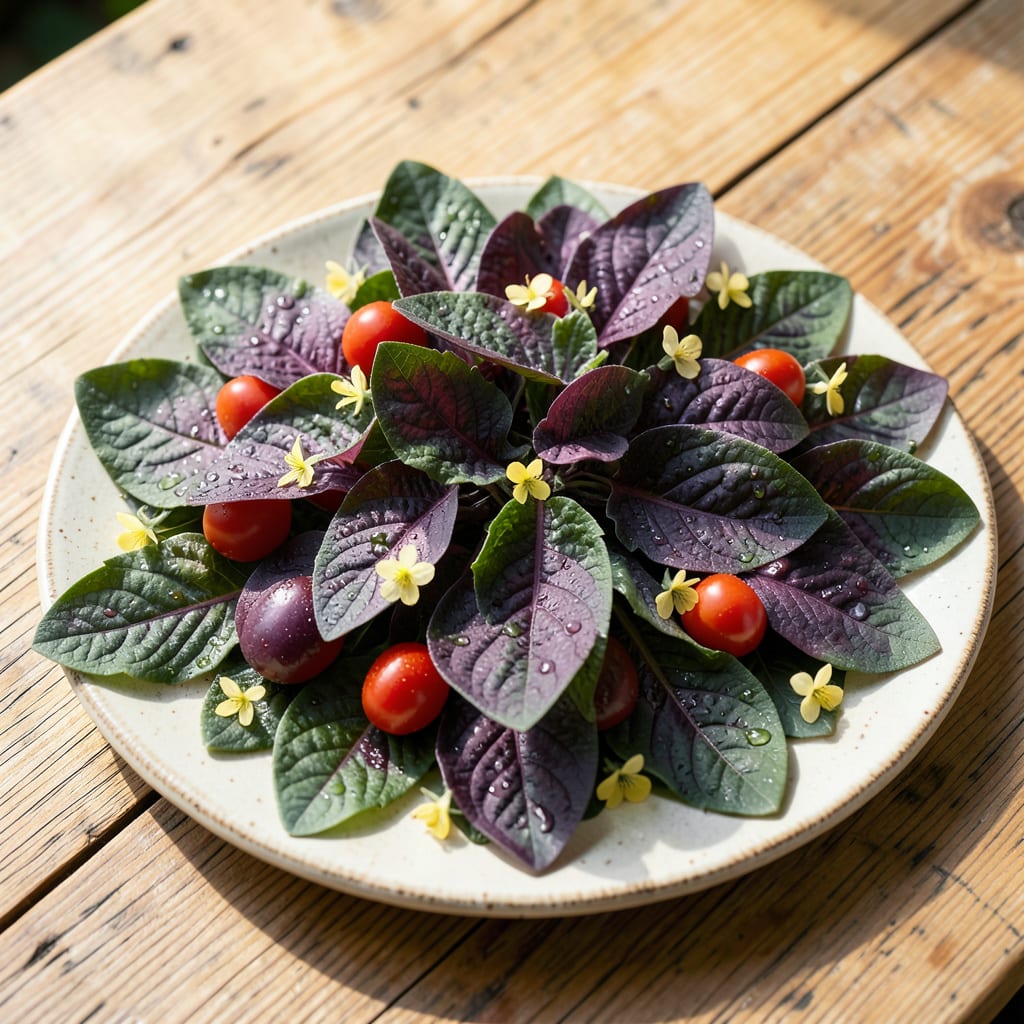
Those purple spots on your tomato leaves aren’t just ugly—they’re a warning. I’ve seen this issue wipe out healthy plants in under a week if ignored.
Most times it’s phosphorus deficiency or early blight, but cold snaps or overwatering can trigger it too. The good news? You can fix it with simple soil tweaks or organic sprays.
Catch it early and your tomatoes will bounce back with vibrant green growth. Left too long, you’ll lose leaves, then stems, then the whole plant.
Here’s how to diagnose the exact cause and stop it in its tracks—no chemicals needed.
Purple spots on tomato leaves often signal underlying stress or disease. Here are the most common causes, explained with actionable insights:
Tomatoes thrive in 60–85°F (15–29°C) ranges. When exposed to cold snaps below 50°F (10°C) or heat above 90°F (32°C), anthocyanin pigments accumulate, creating purple discoloration. This is the plant’s survival mechanism to protect cells from damage. Solution: Use row covers for cold and shade cloth for heat.
A lack of phosphorus—critical for energy transfer—disrupts chlorophyll production, leading to purple veins or blotches on older leaves first. Soil pH outside the 6.0–7.0 range can lock out phosphorus. Fix it: Amend soil with bone meal or compost, and test pH with a kit.
Pathogens like Alternaria solani (early blight) or Septoria lycopersici cause purple-rimmed spots with yellow halos. These thrive in wet, humid conditions. Prevent spread: Remove infected leaves, improve airflow, and apply copper-based fungicides.
Sap-sucking pests (e.g., aphids, whiteflies) stress plants, triggering purple mottling. Their saliva can also introduce toxins. Action: Spray with neem oil or introduce ladybugs for natural control.
Addressing purple spots on tomato leaves starts with identifying the root cause. Below are targeted solutions for the most common issues, along with prevention tips to keep your plants healthy.
If the purple discoloration is due to phosphorus deficiency, amend the soil with bone meal or a phosphorus-rich fertilizer (e.g., 10-30-20). For magnesium deficiency, apply Epsom salt (1 tablespoon per gallon of water) as a foliar spray. Test soil pH—6.0–6.8 is ideal for nutrient uptake.
Purple spots from cold snaps or heat stress? Protect plants with row covers or shade cloth when temperatures drop below 50°F (10°C) or rise above 90°F (32°C). Mulch with straw to insulate roots.
For fungal issues like early blight, remove affected leaves and apply copper fungicide or a baking soda spray (1 tsp baking soda + 1 quart water + a drop of dish soap). Viruses (e.g., tomato mosaic virus) have no cure—remove and destroy infected plants immediately.
Overwatering or drought can trigger stress-related purpling. Water deeply 1–2 times per week (1–2 inches), allowing soil to dry slightly between waterings. Use drip irrigation to avoid wetting leaves.
Yes, overwatering can lead to root stress and poor nutrient uptake, often resulting in purple discoloration. Water deeply 1-2 times per week instead of daily light watering.
Use a soil test kit to check phosphorus levels and pH. Ideal range is 6.0-6.8 pH. If low, amend with bone meal or phosphorus-rich fertilizer.
If caught early and the cause is addressed (like adding nutrients or improving temperature), new growth should be green. Damaged leaves may not recover fully.
If caused by fungal infections like early blight, yes—it can spread. Remove infected leaves immediately and avoid overhead watering to prevent contamination.
