
Beautiful Plants For Your Interior
Beautiful Plants For Your Interior
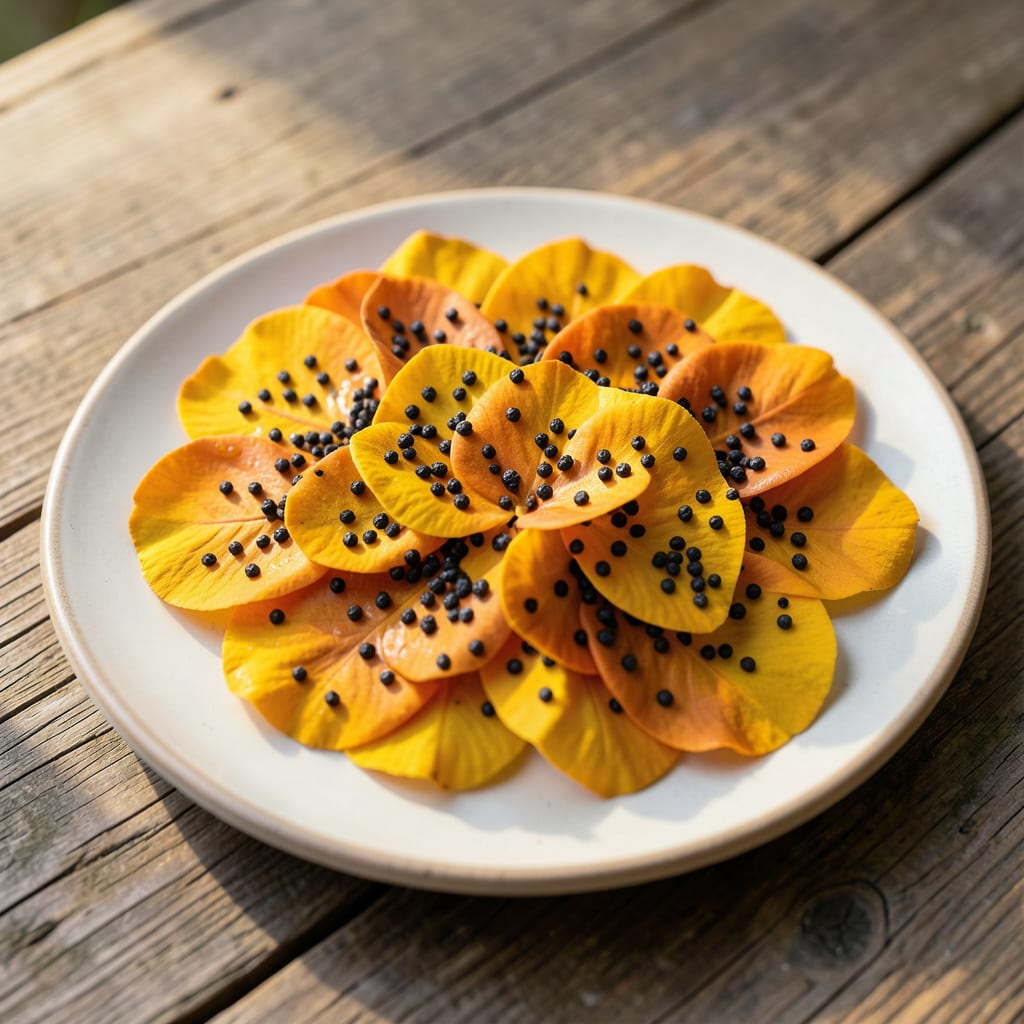
Those black dots on your marigold leaves aren’t just ugly—they’re a warning sign. I’ve seen this pattern before, and ignoring it means watching healthy plants turn into sad, spotted messes within a week.
Here’s the thing—most gardeners assume it’s just a cosmetic issue, but those spots usually mean a fungal party is happening on your plants. The good news? Catching it early makes all the difference.
With the right organic approach, you can stop the spread and even reverse the damage. I’ve saved entire marigold patches using just a few household items and a little consistency.
Works whether you’re growing in beds, borders, or containers. Let’s get your marigolds back to their bright, cheerful selves.
Black dots on marigold leaves are usually a red flag for underlying issues. Here are the most common causes, explained in simple, actionable terms:
Fungi like Alternaria or Cercospora thrive in damp, poorly ventilated conditions. These pathogens produce spores that appear as tiny black dots, often with yellow halos. Overhead watering, crowded plants, or high humidity accelerate their spread.
Sap-sucking pests such as aphids, spider mites, or thrips leave behind sticky honeydew, which attracts sooty mold—a black fungus that forms dots on leaves. Check the undersides of leaves for pests or their eggs.
Overwatering or poor drainage can lead to root rot, which manifests as black spots on foliage. Similarly, nutrient deficiencies (e.g., calcium or potassium) may cause dark, necrotic lesions.
Bacteria like Pseudomonas or Xanthomonas enter through wounds or splashing water, creating small, water-soaked black spots. These often merge into larger patches if untreated.
Identify the cause early to apply the right remedy—whether it’s improving airflow, adjusting watering, or using organic sprays.
Black dots on your marigolds are a red flag, but the good news is that most causes are treatable with a few simple, organic steps.
Remove infected leaves immediately to stop the spread. Thin out crowded plants to boost airflow and reduce humidity. Spray remaining foliage with neem oil or a baking soda solution (1 tsp baking soda + 1 quart water + a drop of dish soap) weekly until spots disappear. Prevention tip: 💡 Water at the base in the morning so leaves dry quickly.
Blast aphids, mites, or whiteflies off with a strong stream of water. Apply insecticidal soap or introduce beneficial insects like ladybugs. For stubborn cases, use horticultural oil at dusk. Prevention tip: 🎯 Inspect leaves weekly and keep the garden free of debris where pests hide.
Let the soil dry slightly between waterings. Switch to drip irrigation or a soaker hose to keep leaves dry. If root rot is suspected, improve drainage by amending soil with compost or perlite. Prevention tip: ✨ Stick your finger an inch into the soil—if it’s dry, it’s time to water.
Test your soil to confirm deficiencies. Use a balanced organic fertilizer or add compost for a nutrient boost. Avoid over-fertilizing, which can stress plants. Prevention tip: 🌡️ Feed marigolds lightly every 4-6 weeks during the growing season.
Yes, fungal spores and some pests can spread to nearby plants. Isolate affected marigolds and remove fallen leaves to prevent contamination.
Avoid composting diseased plant material. The pathogens or pests may survive and reinfect your garden later.
With organic remedies like neem oil or insecticidal soap, expect to see improvement in 7-10 days. Consistency is key—reapply weekly until spots disappear.
If caught early, most marigolds recover fully. Severe untreated cases can weaken plants, making them more susceptible to other issues.
