
Beautiful Plants For Your Interior
Beautiful Plants For Your Interior
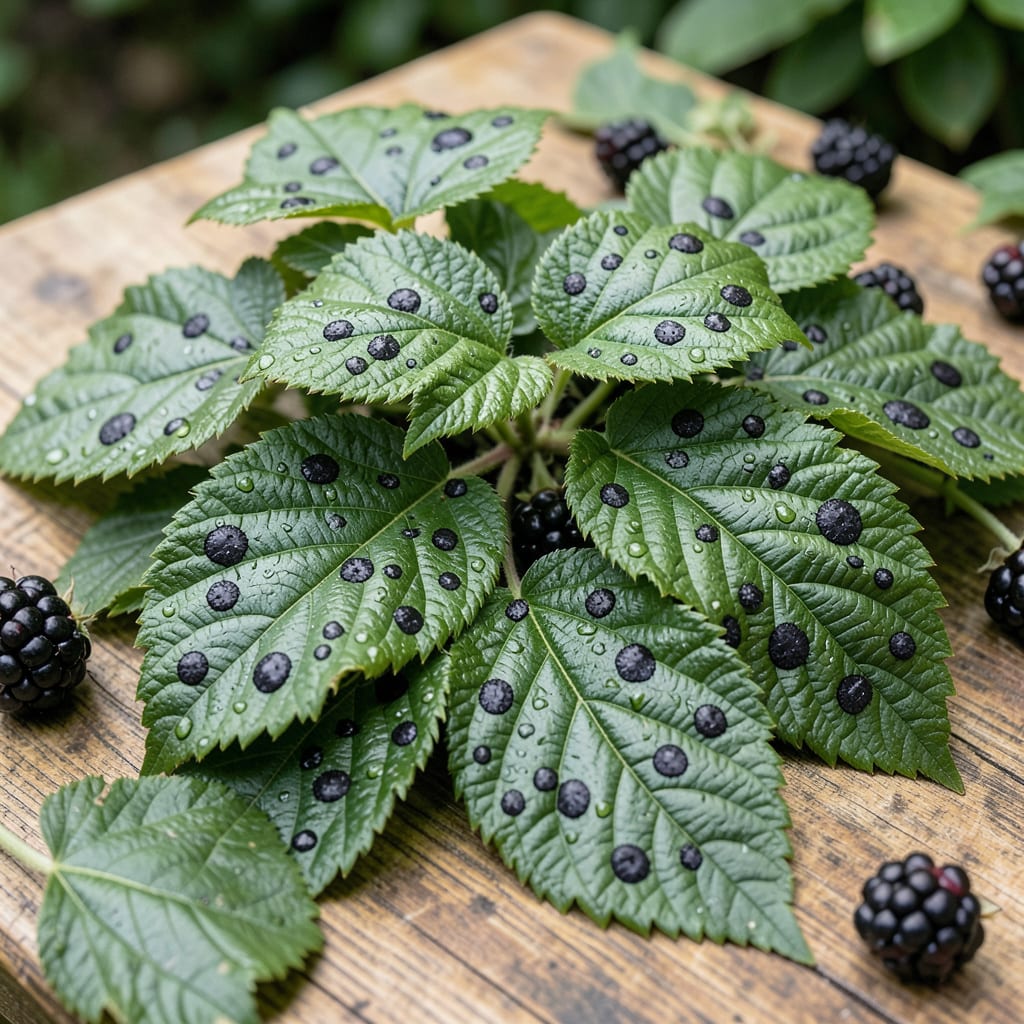
Those black spots on your blackberry leaves aren’t just ugly—they’re a warning sign. 🌿 I’ve lost entire canes to this problem before learning how to catch it early and stop it in its tracks.
The culprit is usually fungus, and it spreads fast in wet conditions. Left unchecked, it weakens plants, reduces yields, and can even kill established bushes. The good news? Organic solutions work if you act before it takes over.
You’ll see the difference within 2-3 weeks of treatment—new growth stays clean, and existing spots stop spreading. Prevention is even simpler: a few cultural tweaks keep your plants resistant year after year.
No fancy equipment or harsh chemicals required. Just a watchful eye and the right approach at the right time.
Black spots on blackberry leaves often signal underlying issues that disrupt the plant’s health. Below are the most common causes, explained with actionable insights.
Fungi like Cercospora or Anthracnose thrive in wet, humid conditions, producing dark, circular lesions. These pathogens spread via spores, which germinate on damp foliage. Prevent by improving air circulation and avoiding overhead watering.
Sap-sucking pests (e.g., aphids, mites) weaken leaves, creating entry points for secondary infections. Their feeding often leaves behind sticky residue or stippling, which can develop into black spots. Inspect leaf undersides and treat with neem oil if infestations are spotted.
Overwatering, poor drainage, or extreme temperature swings stress the plant, making it vulnerable to disease. Waterlogged soil suffocates roots, while drought weakens cellular defenses. Ensure consistent moisture (not sogginess) and mulch to regulate soil temperature.
Lack of essential nutrients (e.g., potassium, magnesium) can manifest as necrotic spots. Yellowing between veins often accompanies these deficiencies. Test soil and amend with organic compost or targeted fertilizers to restore balance.
Xanthomonas or Pseudomonas bacteria cause water-soaked lesions that turn black. These spread via contaminated tools or splashing water. Disinfect pruners and remove infected leaves immediately to curb the spread.
Here’s how to tackle black spots on your blackberry leaves, with practical fixes for each common cause:
If the spots are circular with a yellow halo, it’s likely anthracnose or leaf spot. Prune infected leaves immediately and dispose of them in the trash (not compost). Apply a copper-based fungicide or a homemade spray of 1 tsp baking soda + 1 quart water + a drop of dish soap. Spray every 7–10 days until the issue clears.
Prevention: Improve air circulation by thinning canes, and avoid overhead watering. 💡 Pro tip: Water at the base in the morning so leaves dry quickly.
Spots with chewed edges or webbing? Spider mites or aphids may be to blame. Blast them off with a strong stream of water, then apply neem oil or insecticidal soap weekly until gone.
Prevention: Encourage beneficial insects like ladybugs by planting companion flowers (e.g., marigolds). Keep the area weed-free to reduce hiding spots for pests.
Yellowing leaves with brown spots often signal nutrient deficiencies or water stress. Test soil pH (aim for 5.5–6.5) and amend with compost. If overwatered, let soil dry slightly between waterings. For drought stress, mulch with straw to retain moisture.
Prevention: Feed plants with a balanced organic fertilizer in early spring, and ✨ monitor soil moisture regularly.
Oozing or water-soaked spots? Bacterial leaf spot may be the culprit. Remove infected foliage and sterilize pruners with rubbing alcohol between cuts. Avoid working with wet plants to prevent spreading. Copper sprays can help, but prevention is key—space plants 3–4 feet apart for airflow.
Prevention: Rotate crops if possible, and 🌡️ avoid overhead irrigation to keep leaves dry.
Yes, fungal and bacterial causes can spread to nearby plants. Isolate affected canes and avoid touching healthy foliage after handling infected leaves.
Berries from plants with fungal spots are typically safe if washed, but avoid eating fruit from bacterially infected plants. Always discard any visibly damaged berries.
With consistent treatment, you should see new growth free of spots within 2-3 weeks. Severe infections may require 4-6 weeks of care.
Improve airflow, water at the base, and apply organic sprays like neem oil or baking soda solution. These often work as well as commercial products.
