
Beautiful Plants For Your Interior
Beautiful Plants For Your Interior
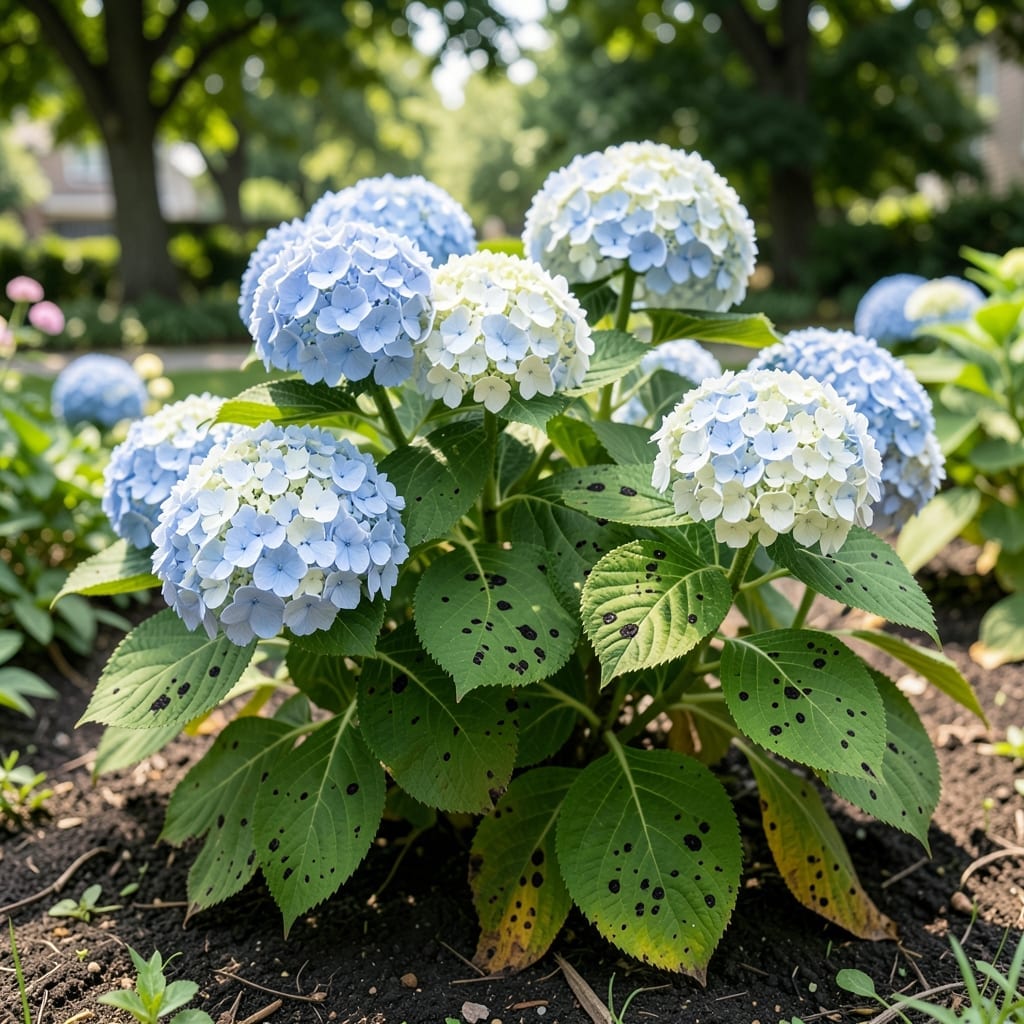
Those black spots on your hydrangea leaves aren’t just ugly—they’re a warning sign. I’ve battled this issue for years and learned that catching it early saves your plants from serious damage.
The culprit is usually fungus, thriving in damp conditions with poor air flow. It spreads fast if you ignore it, but the fix is simple: remove infected leaves, improve circulation, and adjust your watering habits.
Prevention works better than treatment. Space plants properly, water at the base, and choose disease-resistant varieties if you’re planting new ones. A little attention now means healthier blooms later.
Don’t panic if you see spots—this is fixable. With the right approach, your hydrangeas will bounce back stronger next season.
Black spots on hydrangea leaves are usually a sign of fungal or bacterial issues, but environmental factors can also play a role. Here’s a breakdown of the most common causes:
The primary culprit is often Cercospora or Alternaria leaf spot diseases. These fungi thrive in warm, wet conditions, spreading spores through water splashes. Overhead watering or poor air circulation can accelerate their growth, leading to circular black or brown spots with halos.
Hydrangeas love water, but soggy soil or prolonged leaf wetness creates a breeding ground for pathogens. Overwatering, poor drainage, or high humidity can stress the plant, making it more susceptible to infections. Always water at the base to keep foliage dry.
Xanthomonas or Pseudomonas bacteria can cause small, water-soaked spots that turn black. These spread through contaminated tools or splashing water. Unlike fungal spots, bacterial lesions often have a greasy, yellow halo.
Dense plantings or crowded garden beds restrict airflow, trapping moisture around leaves. This stagnant environment is perfect for fungal spores to germinate. Prune nearby plants and space hydrangeas properly to improve ventilation.
Extreme heat, drought, or nutrient deficiencies can weaken hydrangeas, making them more vulnerable to disease. Black spots may appear as a secondary effect of stress. Ensure consistent watering and balanced fertilization to keep plants healthy.
Tackle those unsightly black spots on your hydrangea leaves with these targeted solutions. Each fix addresses a specific cause, so you can restore your plant’s health quickly and effectively.
Fix: Remove infected leaves immediately and treat the plant with a copper-based fungicide or neem oil. Apply every 7–10 days until the spots disappear. For severe cases, use a systemic fungicide like propiconazole.
Prevention: Improve air circulation by pruning dense foliage, and avoid overhead watering. Water at the base in the morning so leaves dry quickly.
Fix: Let the soil dry out between waterings. If the plant sits in soggy soil, repot it in fresh, well-draining mix. Add perlite or sand to improve drainage.
Prevention: Use a moisture meter to check soil conditions, and ensure pots have drainage holes. Hydrangeas prefer consistently moist—but not waterlogged—soil.
Fix: Apply a balanced, slow-release fertilizer or amend the soil with lime (for calcium) or Epsom salt (for magnesium). Follow package instructions for dosage.
Prevention: Test your soil annually and fertilize in early spring and mid-summer to maintain nutrient levels.
Fix: Spray leaves with insecticidal soap or horticultural oil to eliminate pests. For stubborn infestations, use a systemic insecticide like imidacloprid.
Prevention: Inspect leaves regularly for early signs of pests. Encourage natural predators like ladybugs by planting companion flowers.
💡 Pro Tip: Always sterilize pruning tools with rubbing alcohol between cuts to prevent spreading fungi or disease to healthy parts of the plant.
Yes! A mix of 1 teaspoon baking soda and 1 quart water with a drop of dish soap can help. Apply weekly for prevention. Neem oil also works well for mild cases.
Remove heavily spotted leaves right away to prevent spreading. Lightly spotted leaves can stay if you treat the plant. Always sterilize pruners between cuts.
Fungal spores can travel through water or wind. Keep infected hydrangeas isolated and avoid overhead watering to protect nearby plants.
With proper treatment, new growth should appear spot-free within 2-3 weeks. Full recovery may take a season, especially for severe cases.