
Beautiful Plants For Your Interior
Beautiful Plants For Your Interior
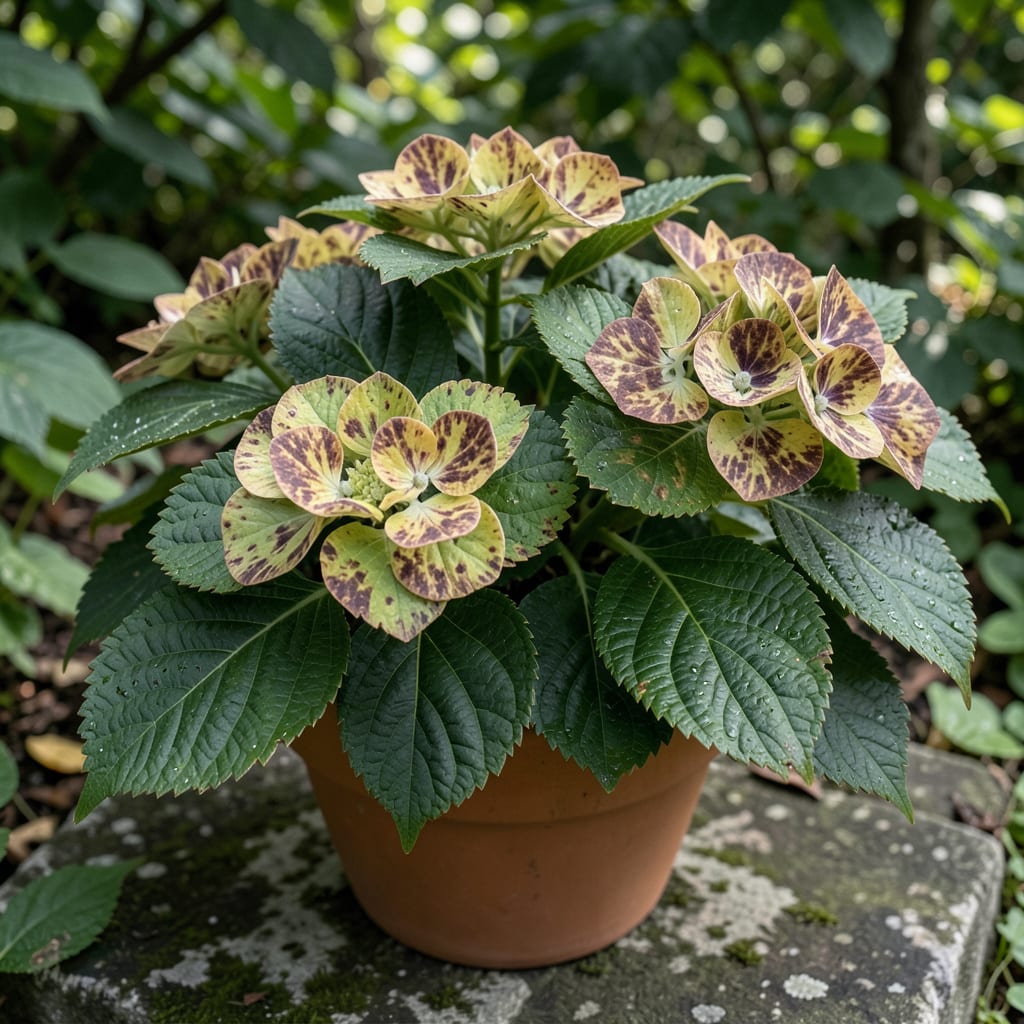
Those brown spots on your hydrangea leaves aren’t just ugly—they’re a distress signal. I’ve seen this pattern every season, and it’s always fixable with the right approach.
Most cases come down to 3 usual suspects: fungal issues from wet foliage, environmental stress like drought or sunburn, or pests setting up shop. The good news? Each has a straightforward solution once you identify it.
You’ll start seeing improvement within 1-2 weeks of treatment. The leaves won’t magically heal, but new growth will emerge spot-free and vibrant green once you address the root cause.
Works for all hydrangea varieties, from bigleaf to panicle. Let’s get your plant back on track.
Brown spots on hydrangea leaves often signal underlying stress or disease. Here’s a breakdown of the most common causes, explained with actionable insights:
Cercospora and Anthracnose are frequent culprits. These fungi thrive in warm, wet conditions, spreading spores via water splashes. Cercospora creates small, circular brown spots with lighter centers, while Anthracnose causes irregular, sunken lesions. Poor air circulation exacerbates the issue.
Excess moisture—whether from overhead watering or soggy soil—stresses roots and invites fungal growth. Hydrangeas prefer consistently moist but well-drained soil. Water at the base (not the leaves) and ensure pots have drainage holes.
Extreme heat, drought, or sudden temperature swings can scorch leaves, causing brown patches. Hydrangeas in full sun without adequate water or exposed to cold winds are especially vulnerable. Mulch helps regulate soil temperature and retain moisture.
Sap-sucking pests like spider mites or aphids weaken leaves, making them prone to browning. Check undersides for webbing (mites) or sticky residue (aphids). A strong blast of water or insecticidal soap can dislodge them early.
Deficiencies in magnesium or potassium may manifest as brown leaf spots. Test soil pH—hydrangeas prefer slightly acidic (5.2–6.2). Amend with compost or a balanced fertilizer if levels are off.
Once you’ve identified the cause, these targeted solutions will help restore your hydrangea’s health. Act fast to prevent the issue from spreading.
If soggy soil is to blame, stop watering immediately and let the top 1-2 inches of soil dry out. Improve drainage by mixing in compost or perlite. For potted hydrangeas, ensure the container has drainage holes. Prevention tip: 💡 Water only when the topsoil feels dry, and use a moisture meter for precision.
Move container-grown hydrangeas to a shadier spot, or provide afternoon shade for in-ground plants with a shade cloth. Mulch around the base to retain moisture and cool roots. Prevention tip: 🌡️ Plant hydrangeas in locations with dappled sunlight or morning sun only.
For fungal issues like anthracnose or leaf spot, remove affected leaves and discard them (don’t compost). Apply a copper-based fungicide or neem oil spray, following label instructions. Space plants for better airflow. Prevention tip: ✨ Water at the base to keep leaves dry, and avoid overhead sprinkling.
Inspect leaves for pests like aphids or spider mites. Blast them off with water, or use insecticidal soap or horticultural oil. For severe infestations, apply a targeted pesticide. Prevention tip: 🎯 Encourage beneficial insects like ladybugs with companion planting.
Yellowing leaves with brown spots may signal a magnesium or potassium deficiency. Fertilize with a balanced, water-soluble formula (e.g., 10-10-10) or one designed for hydrangeas. For acidic soil lovers (like bigleaf hydrangeas), use a fertilizer for acid-loving plants. Prevention tip: 📊 Test soil every 2-3 years and amend as needed.
Not always. While fungi often cause them, environmental stress like sunburn or drought can create similar symptoms. Check soil moisture and light exposure first.
New growth typically appears spot-free within 1-2 weeks. Existing spots won’t heal, but fresh leaves will emerge healthy. Consistency in care is key.
Yes. Too much fertilizer can burn roots, leading to leaf discoloration. Stick to recommended doses and test soil before adding nutrients.
Remove only severely spotted leaves to improve airflow. Minor spots may recover with proper treatment. Always sanitize pruners between cuts.
