
Beautiful Plants For Your Interior
Beautiful Plants For Your Interior
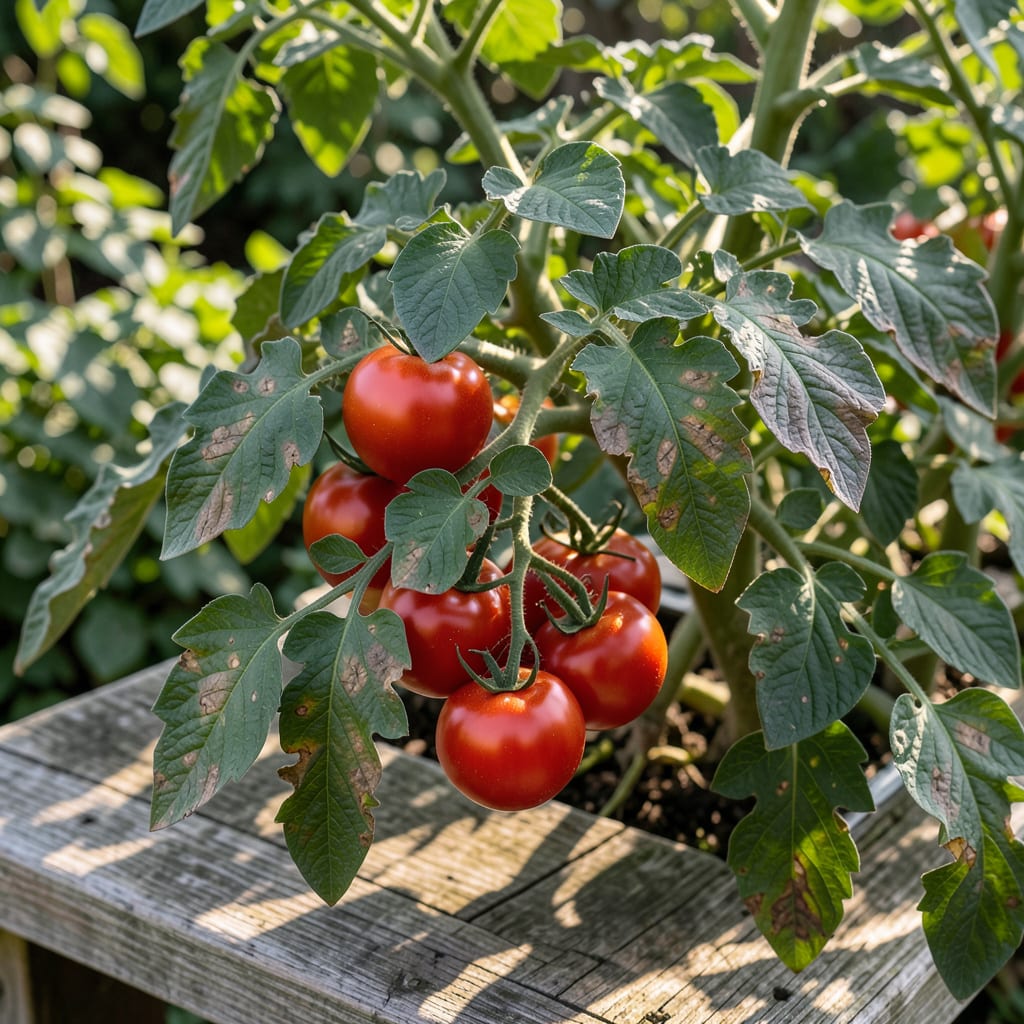
Those brown patches on your tomato leaves aren’t just ugly—they’re a distress signal. I’ve lost count of how many plants I’ve saved by catching this early, and the fix is usually simpler than you think.
Most dry spots come from three culprits: fungal infections spreading quietly, inconsistent watering that stresses the plant, or sunburn from sudden exposure. The good news? Each leaves a distinct pattern you can spot with a close look.
With the right adjustments to watering, airflow, or shading, you’ll see new growth emerge clean and healthy within a week. The key is acting before the issue spreads to fruit or stems.
Works for container plants, in-ground gardens, and every tomato variety. Here’s how to read the signs and respond fast.
Dry spots on tomato leaves often signal underlying stress or disease. Below are the most common triggers, each with a clear explanation to help you diagnose the issue.
Extreme heat or sun scald can cause dry, papery spots, especially on leaves exposed to intense midday sun. Tomatoes thrive in 70–85°F (21–29°C); temperatures above 90°F (32°C) disrupt photosynthesis, leading to tissue death. Low humidity or windburn from dry, gusty conditions can also desiccate leaf edges, creating crispy patches.
Inconsistent moisture—either underwatering or overwatering—stresses the plant. Dry spots may appear when roots can’t absorb water fast enough (e.g., in sandy soil), or when root rot (from soggy soil) impairs nutrient uptake. Blossom end rot (a calcium deficiency) can also manifest as dry, leathery spots on leaves when water stress disrupts calcium transport.
Pathogens like Alternaria solani (early blight) or Septoria lycopersici (Septoria leaf spot) create circular, dry lesions with concentric rings. These fungi thrive in wet, warm conditions (70–80°F / 21–27°C) and spread via splashing water. Infected leaves develop necrotic spots as the fungus kills cells, often starting on lower foliage.
Sap-sucking pests like spider mites or thrips pierce leaf cells, causing stippling or dry, silvery patches. Their feeding disrupts fluid balance, leading to localized necrosis. Check leaf undersides for webbing (mites) or tiny, dark insects (thrips) to confirm.
A lack of potassium or magnesium can cause interveinal chlorosis (yellowing between veins) followed by dry, crispy spots. Potassium deficiencies often appear as scorched leaf edges, while magnesium shortages create brown, papery patches between veins. Soil testing can pinpoint imbalances.
Addressing dry spots on tomato leaves starts with pinpointing the cause. Below are targeted fixes for the most common culprits, along with prevention tips to keep your plants thriving.
If the spots are brown with yellow halos (early blight) or dark with concentric rings (alternaria), act fast. Prune infected leaves immediately and discard them away from the garden. Apply a copper-based fungicide or a homemade mix of 1 tsp baking soda + 1 quart water + a drop of dish soap every 7–10 days. Prevention: Space plants for airflow, water at the base (not overhead), and avoid wetting foliage.
Dry, crispy edges or wilting with dry patches often signal water stress. Check soil moisture 1–2 inches deep—it should feel like a wrung-out sponge. Water deeply 1–2 times per week (more in heatwaves) and ensure drainage is sharp to prevent root rot. Prevention: Use mulch (straw or wood chips) to retain moisture and prevent soil splashing onto leaves.
Tiny dry spots or stippling? Spider mites or aphids may be sucking sap. Blast leaves with water to dislodge pests, then apply neem oil or insecticidal soap every 3–5 days until gone. Prevention: Introduce beneficial insects like ladybugs, and inspect leaves weekly for early signs.
White or papery dry patches on sun-facing leaves? Move potted tomatoes to partial shade or use 30–40% shade cloth during peak sun (10 AM–4 PM). Prevention: Harden off seedlings gradually and avoid sudden exposure to intense light.
Yellowing between veins with dry tips? A magnesium (Epsom salt) or potassium deficiency may be the issue. Dissolve 1 tbsp Epsom salt in a gallon of water and spray foliage, or use a balanced organic fertilizer. Prevention: Test soil annually and amend with compost before planting.
💡 Pro Tip: Always sterilize pruning tools with rubbing alcohol to avoid spreading disease between plants!
Fungal spots often have concentric rings or a yellow halo around the edges. They typically start on lower leaves and spread upward. Check for dark, wet-looking centers as a key sign.
Yes, but use clean tools and remove leaves at the first sign. Dispose of them far from your garden to prevent spores from spreading. Always wash your hands after handling infected plants.
Overwatering leads to root rot, which prevents nutrient uptake. This stress can manifest as dry, crispy patches on leaves despite the soil being wet.
Move the plant to shade immediately and trim the worst-damaged leaves. Use a 30-40% shade cloth during peak hours to prevent further damage. Recovery takes about 1-2 weeks.
