
Beautiful Plants For Your Interior
Beautiful Plants For Your Interior
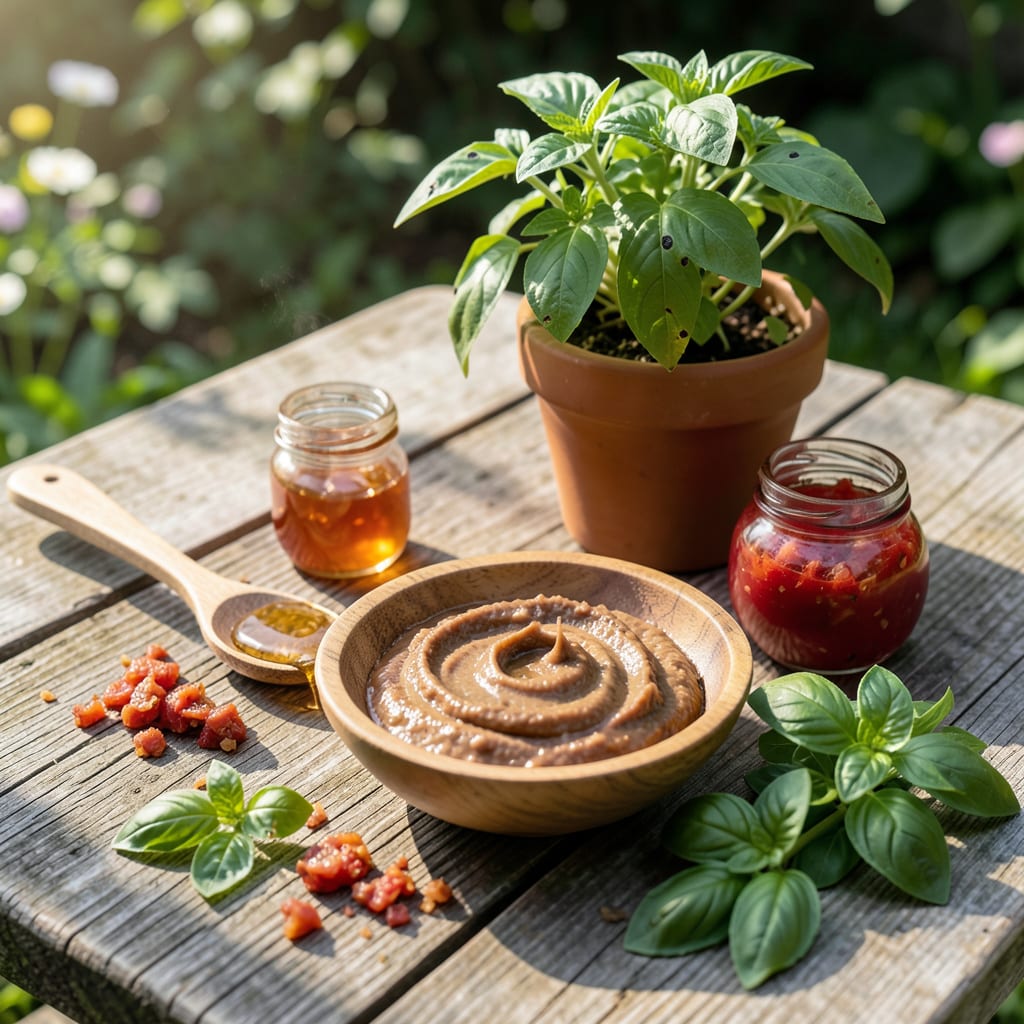
Black spots on leaves ruined my first rose bush last spring. I learned the hard way that these unsightly blemishes aren’t just cosmetic—they spread fast if left unchecked.
Turns out, you don’t need harsh chemicals to fix this. Simple household items like baking soda, soap, and even milk can stop the spread and restore your plants to vibrant health. The key is catching it early.
I tried every remedy under the sun before finding the ones that actually work. Now my garden stays spot-free with just a few natural sprays and consistent care.
Whether it’s fungal or bacterial, these solutions tackle the root cause without harming your plants. Let me show you how to bring your foliage back to life.
Black spots on plant leaves are often a red flag that something’s amiss in your garden or indoor plant setup. These unsightly blemishes can stem from various issues, each with its own telltale signs. Here’s a breakdown of the most common causes:
One of the leading culprits behind black spots is fungal diseases, such as Alternaria, Cercospora, or Anthracnose. These pathogens thrive in humid, wet conditions, especially when leaves stay damp for extended periods. Fungi spread through spores, which can be carried by wind, water, or even gardening tools. Overwatering, poor air circulation, or crowded plants create the perfect breeding ground for these invaders.
Tiny pests like aphids, spider mites, or scale insects can also cause black spots. These critters feed on plant sap, weakening the foliage and leaving behind sticky residue (honeydew) that attracts sooty mold—a black, fungus-like growth. Additionally, some pests directly damage leaf tissue, leading to discoloration and spotting.
Plants under stress from overwatering, underwatering, or extreme temperatures may develop black spots as a sign of distress. Overwatering, for instance, can lead to root rot, which restricts nutrient uptake and manifests as dark patches on leaves. Conversely, sunburn from excessive direct sunlight can scorch leaves, causing blackened areas.
A lack of essential nutrients, particularly calcium, magnesium, or potassium, can cause black or dark brown spots on leaves. These deficiencies often appear as interveinal chlorosis (yellowing between veins) first, followed by necrotic (dead) black patches. Poor soil quality or improper fertilization are common triggers.
Black spots on your plants can be frustrating, but these natural fixes will help restore their health. Below are targeted solutions for common causes, along with prevention tips to keep your foliage vibrant.
Mix 1 teaspoon of baking soda, 1 quart of water, and a few drops of dish soap. Spray this solution on affected leaves weekly until the spots disappear. Prevention tip 💡: Avoid overhead watering to reduce moisture on leaves, and ensure good air circulation around plants.
Dilute 1 tablespoon of neem oil in 1 gallon of water and spray it on both sides of the leaves. Repeat every 5–7 days until pests are gone. Prevention tip ✨: Regularly inspect plants for early signs of pests and remove debris where bugs may hide.
Let the soil dry out between waterings and ensure pots have drainage holes. If root rot is suspected, trim affected roots and repot in fresh, well-draining soil. Prevention tip 🌡️: Use a moisture meter to avoid overwatering, and choose pots with proper drainage.
Dissolve 1 tablespoon of Epsom salt in 1 gallon of water and spray on leaves for a magnesium boost. For soil application, sprinkle 1 tablespoon per foot of plant height around the base monthly. Prevention tip 🎯: Use a balanced fertilizer regularly to maintain nutrient levels.
Consistency is key—stick with these remedies, and your plants will thank you with lush, spot-free growth!
Use the baking soda solution weekly for active infections. For prevention, spray every 2-3 weeks during humid weather. Always apply in the morning so leaves dry quickly.
Vinegar can help but may damage plants if too strong. Use a 1:10 vinegar-to-water ratio and test on a small leaf first. Neem oil is safer for most plants.
Recurring spots often mean the root cause isn’t addressed. Check for poor drainage, overcrowding, or hidden pests. Improve air flow and remove affected leaves immediately.
