
Beautiful Plants For Your Interior
Beautiful Plants For Your Interior
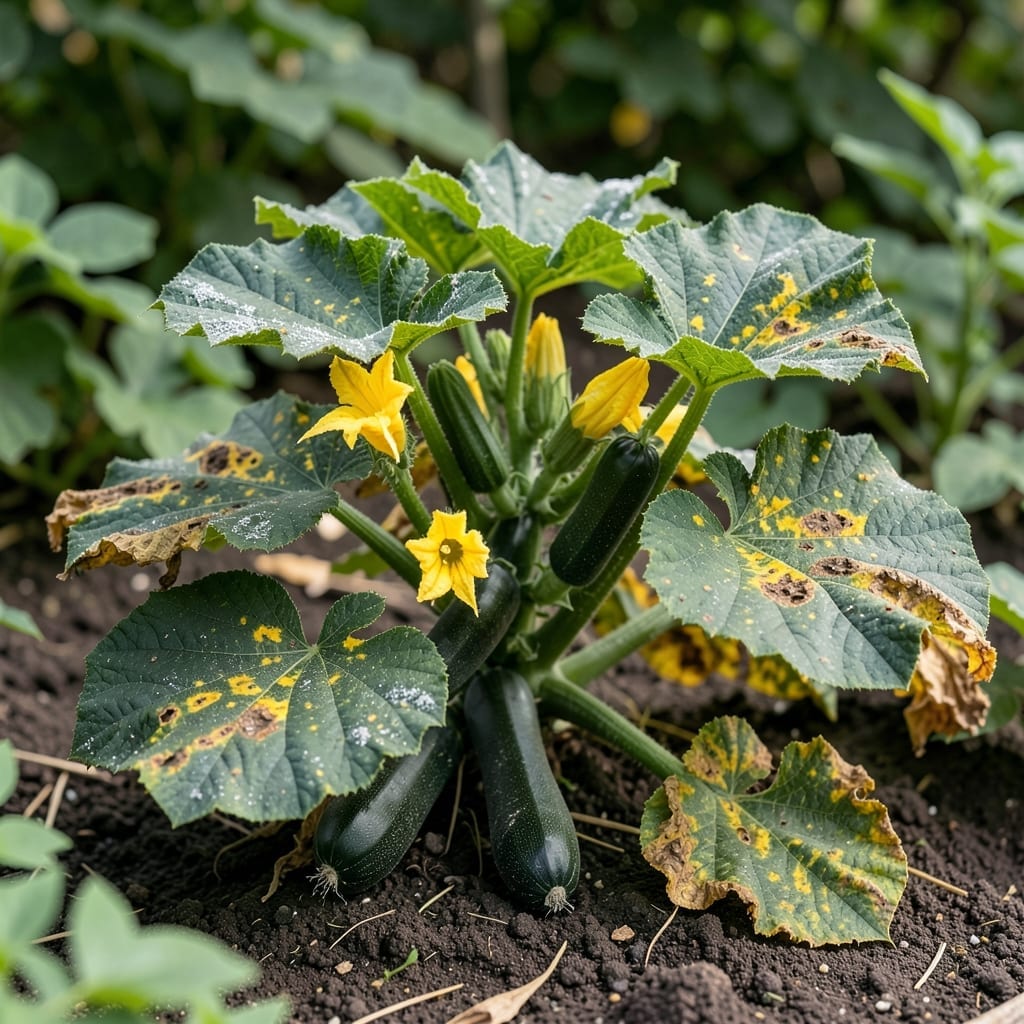
Spotted white dust on your zucchini leaves last week? You’re not alone. I’ve lost entire plants to powdery mildew before learning how to stop it in its tracks.
Most zucchini leaf diseases spread fast in warm, humid weather, but they’re all preventable with the right approach. The key is catching the early signs—yellow spots, white powder, or brown edges—before they take over.
Organic treatments like neem oil or baking soda spray work, but timing matters. I’ve saved dozens of plants by acting at the first sign of trouble rather than waiting for a full outbreak.
This guide helps you diagnose the problem and fix it without harsh chemicals. Your zucchini will thank you with a bountiful harvest.
Zucchini leaf diseases often stem from a mix of environmental, biological, and cultural factors. Understanding these root causes helps gardeners prevent and manage outbreaks effectively. Below are the primary triggers, explained in clear, actionable terms.
Fungi like Powdery Mildew (Podosphaera xanthii) and Downy Mildew (Pseudoperonospora cubensis) thrive in humid, poorly ventilated conditions. These pathogens spread via spores, which germinate on wet leaf surfaces. Overhead watering or crowded plantings create ideal environments for infection.
Bacteria such as Pseudomonas syringae (causing angular leaf spot) enter through wounds or stomata (leaf pores). Splashing water, contaminated tools, or infected seeds introduce bacteria to plants. Warm, wet weather accelerates bacterial spread, leading to water-soaked lesions.
Insects like aphids, cucumber beetles, and whiteflies transmit viral diseases (e.g., Cucumber Mosaic Virus). These pests pierce leaf tissues, injecting viruses that disrupt cellular function. Weakened plants become more susceptible to secondary infections.
Extreme heat, drought, or nutrient deficiencies (e.g., low potassium) weaken zucchini plants, reducing their natural resistance. Stress triggers physiological responses that make leaves more vulnerable to pathogens. Inconsistent watering can also stress roots, indirectly promoting disease.
Poor garden hygiene—such as unrotated crops, debris buildup, or over-fertilization—creates breeding grounds for disease. Reusing infected soil or tools spreads pathogens to healthy plants. Monoculture planting (growing only zucchini year after year) depletes soil health and increases pest/disease pressure.
Tackling zucchini leaf issues doesn’t have to be overwhelming. Below are targeted solutions for common problems, paired with prevention tips to keep your plants thriving. 🌱
If white, powdery spots appear, remove infected leaves immediately to stop the spread. Mix 1 tablespoon baking soda + 1 teaspoon dish soap + 1 gallon water and spray affected areas weekly. Prevention tip: Space plants 2–3 feet apart for better airflow, and water at the base to keep leaves dry.
Yellow patches with fuzzy gray undersides signal downy mildew. Apply copper-based fungicide (follow label instructions) at the first sign. Prevention tip: Avoid overhead watering and use drip irrigation. Rotate crops yearly to break the disease cycle.
Holes or chewed leaves often mean pests like cucumber beetles or aphids. Spray neem oil (mix 2 tbsp oil + 1 tsp soap + 1 gallon water) every 5–7 days. For severe infestations, use floating row covers to block pests physically. Prevention tip: Plant companion flowers like marigolds to deter insects naturally.
Brown, crispy edges? Your zucchini may be overwatered or heat-stressed. Water deeply but less frequently (1–2 inches per week), and add mulch to retain moisture. Prevention tip: Use shade cloth during peak afternoon heat to protect leaves.
Pro tip 💡: Always sterilize pruning tools with rubbing alcohol between cuts to avoid spreading pathogens.
Look for white, powdery spots on the upper surfaces of older leaves. It often starts as small patches that spread quickly. Early morning dew can make it look worse.
Remove infected leaves immediately and avoid overhead watering. Apply a baking soda spray or neem oil to healthy leaves as a protective barrier.
Yes, as long as the fruit itself looks healthy. Wash it thoroughly before eating. Avoid harvesting if the fruit shows spots or rot.
Wait 2-3 years before planting zucchini in the same spot. This breaks the disease cycle in the soil.