
Beautiful Plants For Your Interior
Beautiful Plants For Your Interior
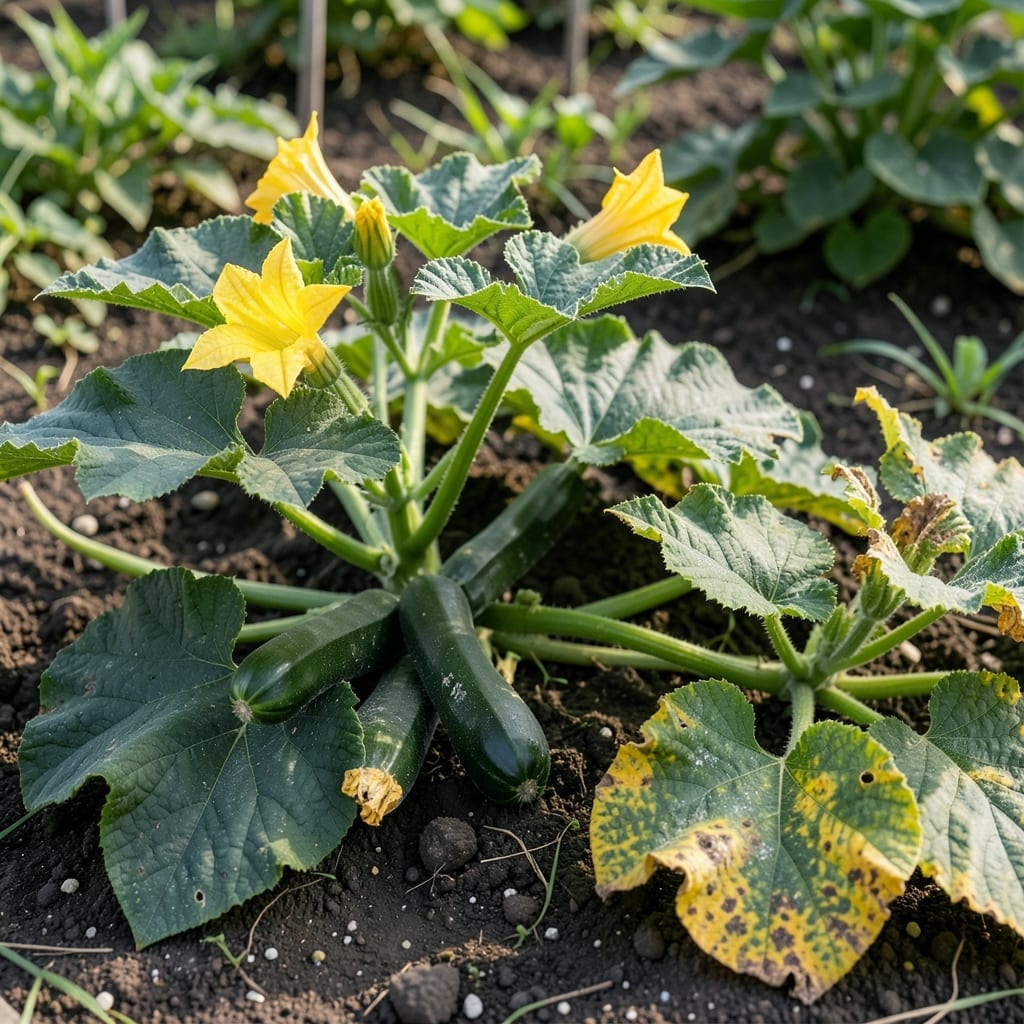
Spotted yellow leaves on your zucchini plants last week? I’ve been there, staring at my garden wondering what went wrong overnight. These visual clues tell you exactly what’s attacking your plants before it spreads to the whole patch.
Most zucchini diseases announce themselves with distinct patterns—powdery mildew’s white dust, downy mildew’s yellow patches, or the water-soaked spots of bacterial leaf spot. Catching them early means the difference between a healthy harvest and a total loss.
I learned the hard way that waiting just 2-3 days too long lets problems explode. The images here show you exactly what to look for, and the fixes are simpler than you’d expect.
From prevention tips to rescue treatments, you’ll know how to protect your plants all season long. No more guessing games.
Understanding why zucchini plants fall ill is the first step toward prevention. Several factors contribute to the development of zucchini diseases, often tied to environmental conditions, pathogens, or cultural practices. Below are the primary causes, explained scientifically and actionably.
Zucchini plants thrive in consistent conditions. Fluctuations in temperature, humidity, or moisture stress the plant, weakening its defenses. For example, powdery mildew (a common fungal disease) flourishes in high humidity (70-90%) and moderate temperatures (60-80°F). Overwatering or poor drainage can also create a soggy root zone, inviting Phytophthora blight or root rot. Action: Use drip irrigation to avoid wetting foliage and maintain even soil moisture.
Fungal, bacterial, and viral pathogens are the direct culprits behind many zucchini diseases. Fusarium wilt and Verticillium wilt are soil-borne fungi that clog the plant’s vascular system, cutting off water and nutrient flow. Bacterial leaf spot (Xanthomonas campestris) thrives in wet conditions, spreading through splashing water. Viruses like Cucumber Mosaic Virus (CMV) are often transmitted by aphids. Action: Rotate crops yearly, use disease-resistant varieties, and remove infected plants immediately to limit spread.
Insects like aphids, cucumber beetles, and whiteflies don’t just damage plants—they transmit diseases. Cucumber beetles, for instance, carry bacterial wilt (Erwinia tracheiphila), which blocks the plant’s water-conducting tissues. Aphids spread viruses as they feed on sap. Action: Introduce beneficial insects (e.g., ladybugs) or use row covers to block pests physically.
Overcrowding plants, failing to sanitize tools, or not removing debris can create a breeding ground for disease. Crowded plants have poor air circulation, which encourages fungal growth. Infected plant debris left in the garden overwinters pathogens. Action: Space plants 24-36 inches apart, disinfect pruning tools with rubbing alcohol, and clear garden debris after harvest.
Dealing with zucchini diseases can be frustrating, but early action can save your plants. Below are targeted solutions for common issues, paired with prevention tips to keep your garden thriving.
If you spot white, powdery spots on leaves, remove infected foliage immediately to stop the spread. Spray the remaining plants with a baking soda solution (1 tsp baking soda + 1 quart water + a few drops of dish soap). Prevention tip: 💡 Space plants 2–3 feet apart to boost airflow and avoid overhead watering.
These striped pests spread bacterial wilt. Handpick beetles in the morning when they’re sluggish, or use yellow sticky traps. For severe infestations, apply neem oil or kaolin clay. Prevention tip: 🌱 Use row covers early in the season to block beetles from reaching young plants.
Dark, sunken spots on fruit indicate a calcium deficiency. Water consistently to prevent soil dryness, and add crushed eggshells or lime to the soil. Prevention tip: ✨ Test soil pH (aim for 6.0–6.8) and avoid over-fertilizing with nitrogen.
Yellow patches on upper leaves with fuzzy growth underneath signal downy mildew. Apply copper-based fungicide at the first sign, and remove infected leaves. Prevention tip: 🌧️ Water at the base of plants (not the leaves) and rotate crops yearly to disrupt disease cycles.
Mottled or distorted leaves often mean a virus like zucchini yellow mosaic. Pull and destroy infected plants to protect others. Prevention tip: 🎯 Disinfect tools between uses and control aphids, which spread viruses.
Act fast, stay vigilant, and your zucchini plants will bounce back stronger! 🌿
Look for white, powdery spots on the upper surfaces of leaves. These patches spread quickly and can cover entire leaves if untreated. Check undersides too, as it often appears there first.
Remove infected leaves immediately and avoid overhead watering. Apply a copper-based fungicide and ensure good air circulation. This prevents the bacteria from spreading to healthy foliage.
Yes, but act quickly. Adjust watering to maintain consistent soil moisture and add calcium (like crushed eggshells). Remove affected fruit to redirect energy to healthy growth.
Yellow leaves often signal overwatering, nutrient deficiency, or downy mildew. Check soil moisture and inspect undersides for fuzzy growth. A balanced fertilizer can help restore vibrant green leaves.