
Beautiful Plants For Your Interior
Beautiful Plants For Your Interior
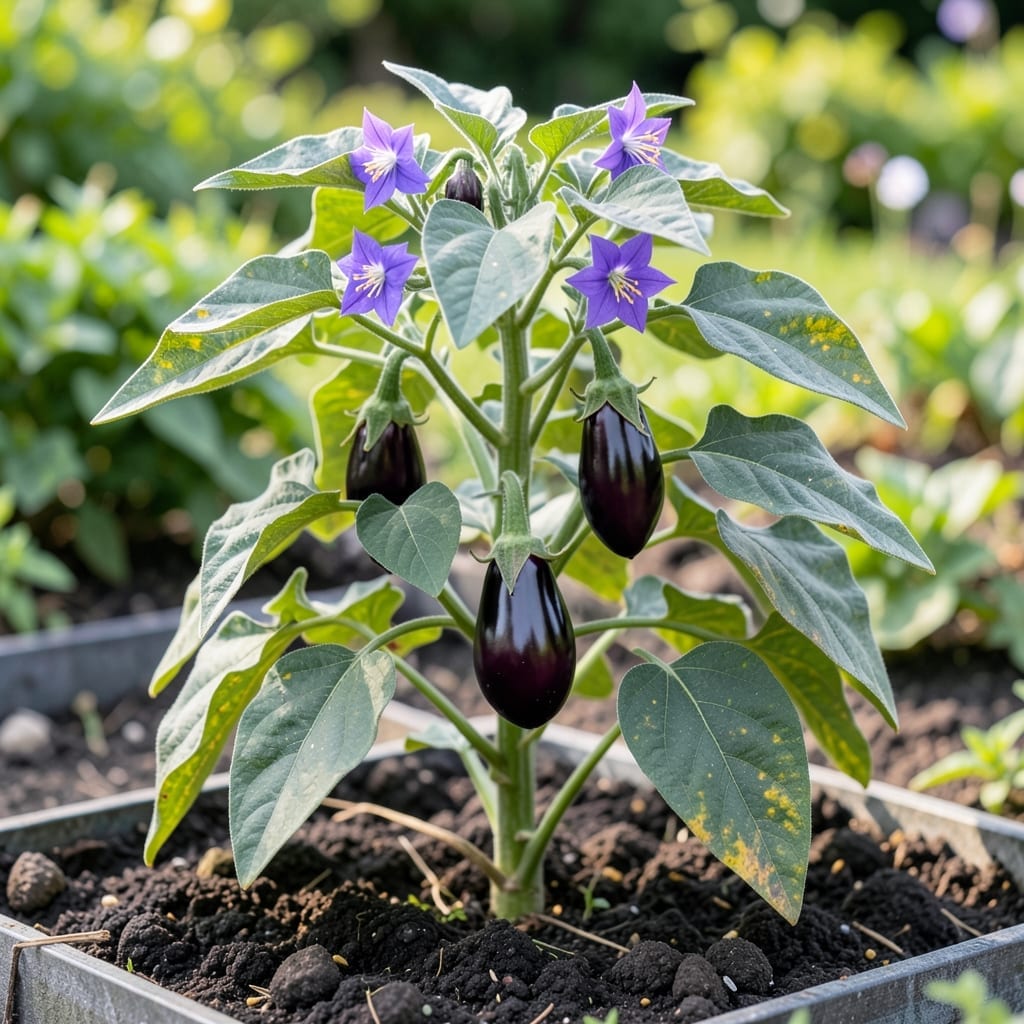
Yellow leaves on eggplant aren’t just ugly—they’re a distress signal. I’ve seen this exact problem wipe out entire plants in 48 hours when ignored, but the fix is often simpler than you’d think.
Most cases come down to three culprits: too much water, not enough nutrients, or sneaky pests. The good news? Each has a clear solution. You’ll need to play detective first, checking soil moisture and inspecting leaf undersides for clues.
Once you identify the cause, natural remedies work fast. A foliar spray or soil amendment can turn things around in 7-10 days. The key is acting before the yellow spreads to stems.
Prevention keeps it from happening again. Simple habits like consistent watering and crop rotation make all the difference next season.
Yellowing leaves on eggplants are a sign of distress, often tied to environmental, nutritional, or pathological factors. Below are the most common causes, explained with actionable insights.
Eggplants are heavy feeders, and a lack of essential nutrients can lead to chlorosis (yellowing). The usual suspects:
Eggplants thrive in warm, consistent conditions. Sudden changes can shock the plant:
Pathogens and insects can also trigger yellowing:
Once you’ve identified the cause, these targeted fixes can restore your eggplant’s health.
Yellowing often signals a lack of nitrogen or magnesium. Fix it: Work a balanced, organic fertilizer (like 10-10-10) into the soil or apply a foliar spray of Epsom salt (1 tablespoon per gallon of water) for magnesium. Prevention: Test soil before planting and amend with compost annually.
Soggy roots suffocate plants, turning leaves yellow. Fix it: Let the top 1-2 inches of soil dry out between waterings. If drainage is bad, transplant to raised beds or containers with drainage holes. Prevention: Use well-draining soil mixes and avoid watering on a rigid schedule—check moisture first!
Eggplants need 6-8 hours of sun daily. Fix it: Relocate potted plants to a sunnier spot or prune nearby shade-casting plants. Prevention: Plan your garden layout to ensure full sun exposure from the start.
Aphids, spider mites, and whiteflies sap plant vitality. Fix it: Blast pests off with water or apply neem oil (mix 2 tbsp oil + 1 tsp dish soap per gallon of water). Prevention: Encourage beneficial insects like ladybugs and use row covers early in the season.
Fungi like Verticillium wilt cause yellowing and wilting. Fix it: Remove affected leaves and treat with a copper-based fungicide. Rotate crops yearly to break disease cycles. Prevention: Space plants for airflow and avoid overhead watering to keep foliage dry.
💡 Pro tip: Always sterilize pruning tools between cuts to avoid spreading pathogens!
Check the soil first. If it’s soggy and smells sour, it’s likely overwatering. For nutrients, yellowing starts on older leaves for nitrogen or between veins for magnesium.
Not always. Lower leaves naturally yellow as plants age. But if it spreads quickly or affects new growth, it’s time to investigate.
Yes! For magnesium, mix 1 tablespoon Epsom salt in 1 gallon of water as a foliar spray. For pests, a strong water spray or soapy water can help.
With proper treatment, new growth should appear healthy within 7-10 days. Damaged leaves won’t turn green again, but new ones will.