
Beautiful Plants For Your Interior
Beautiful Plants For Your Interior
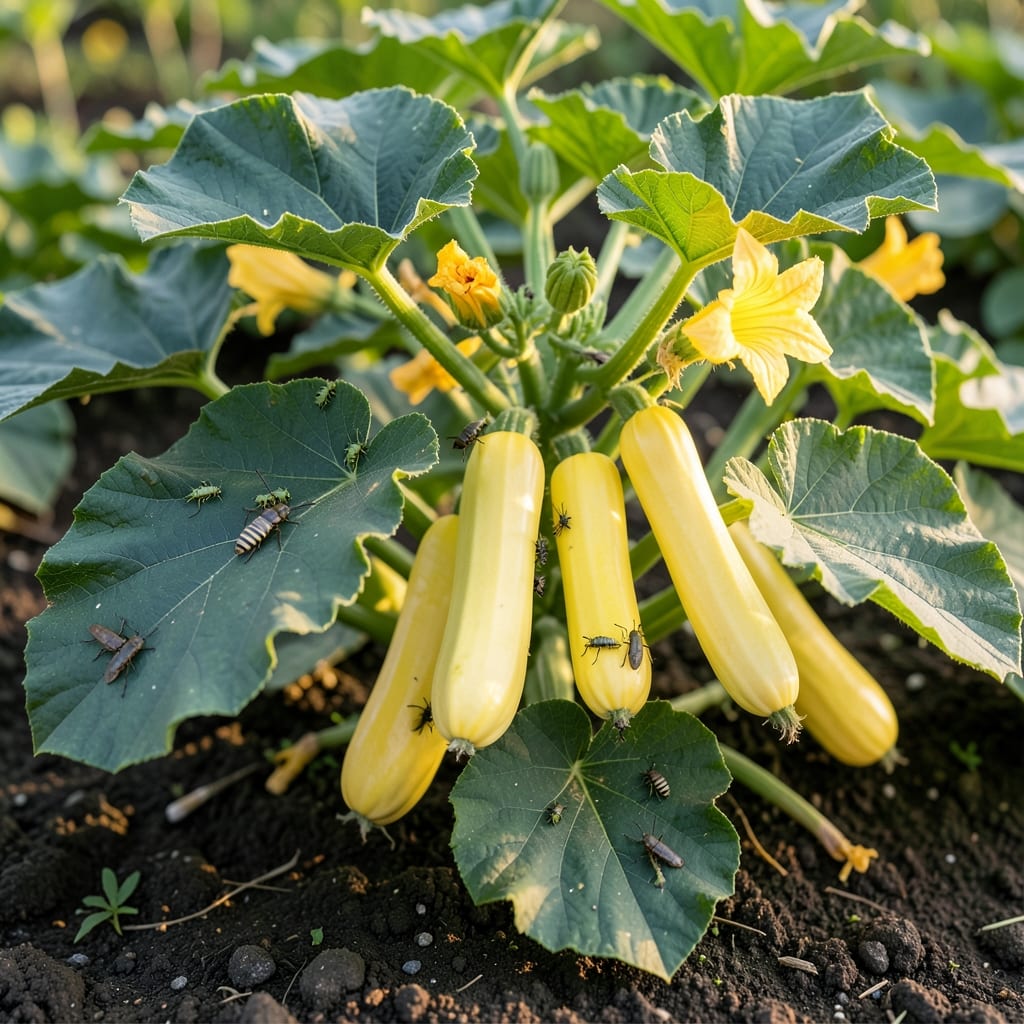
Squash bugs destroyed my first zucchini crop in a weekend. No warning, just wilted plants overnight. I learned the hard way that yellow zucchini attracts specific pests that can ruin your harvest if you don’t act fast.
The usual suspects—squash bugs, cucumber beetles, and aphids—love these plants. They hide under leaves, lay eggs on stems, and suck the life out of your crop. Catching them early is the key to keeping your plants healthy and productive.
Organic solutions work best for me. Hand-picking, neem oil, and companion planting keep pests in check without harsh chemicals. The result is stronger plants that actually produce.
You’ll spot trouble before it spreads with daily leaf checks. Early detection means easier treatment and a better chance of saving your crop.
Yellow zucchini plants often fall victim to pests due to a combination of environmental, biological, and horticultural factors. Understanding these causes can help you take proactive steps to protect your crop. Below are the primary reasons why pests target yellow zucchini:
Yellow zucchini plants are packed with nutrients, making them a magnet for pests like aphids, cucumber beetles, and squash bugs. These insects are drawn to the high sugar content in the plant’s sap and the tender, nutrient-dense leaves and fruit. The bright yellow color of the zucchini can also attract pests visually, signaling a rich food source.
Excess moisture creates an ideal breeding ground for pests. Overwatered soil or poor drainage can lead to fungal growth, which weakens the plant and makes it more susceptible to infestations. Soft, waterlogged stems and leaves are easier for pests like slugs and snails to penetrate and feed on.
Monoculture planting (growing only zucchini in a section) eliminates natural predators that keep pest populations in check. Without beneficial insects like ladybugs or lacewings, pests such as cucumber beetles and squash vine borers can multiply unchecked. Diversifying your garden with companion plants can disrupt pest life cycles.
Yellow zucchini thrives in warm weather, but so do many of its pests. High humidity and temperatures (75–90°F) accelerate the reproduction of insects like aphids and whiteflies. These conditions also promote the spread of diseases, which further stress the plant and attract more pests.
Plants weakened by poor soil quality, improper spacing, or lack of sunlight are more vulnerable to pest attacks. Stressed plants emit chemical signals that attract pests, signaling their compromised state. Ensuring optimal growing conditions can help deter infestations naturally.
When pests attack your yellow zucchini, quick and targeted action can save your crop. Below are practical solutions mapped to common culprits, along with prevention tips to keep your plants thriving.
Check the undersides of leaves and near the base of plants for brownish-gray squash bugs or their copper-colored eggs. Remove them by hand early in the morning when they’re sluggish, and drop them into soapy water. For larger infestations, place cardboard traps near plants—bugs will hide underneath by night, making them easy to collect and dispose of the next day.
Prevention tip: 💡 Rotate crops yearly and clear garden debris where bugs overwinter.
These tiny pests cause yellowing leaves with fine webbing. Spray plants with a strong jet of water to dislodge them, focusing on the undersides of leaves. Follow up with an application of neem oil or insecticidal soap, repeating every 3–5 days until mites are gone.
Prevention tip: 💡 Keep plants well-watered, as mites thrive in dry conditions.
Look for clusters of small green or black insects on new growth. Mix 1 tablespoon of mild liquid soap with 1 quart of water and spray directly on aphids. For stubborn cases, introduce ladybugs or lacewings—natural predators that will feast on the pests.
Prevention tip: 💡 Plant companion flowers like marigolds or alyssum to attract beneficial insects.
These striped or spotted beetles chew leaves and spread disease. Use floating row covers early in the season to block adults from laying eggs. For existing plants, apply kaolin clay as a barrier spray—it deters beetles and protects foliage.
Prevention tip: 💡 Remove covers when plants flower to allow pollination, but monitor closely for beetle activity.
Look for yellow spots on leaves or wilting vines. Tiny holes in foliage or sticky residue often indicate aphids or beetles. Check undersides of leaves for eggs or webbing from spider mites.
Check daily during warm weather, especially the undersides of leaves. Early morning is best since pests are less active. Catching issues early prevents major infestations.
Use as a last resort and only in the evening when pollinators are less active. Always follow label instructions and avoid spraying flowers. Organic options like neem oil are often just as effective.