
Beautiful Plants For Your Interior
Beautiful Plants For Your Interior
I’ll never forget the morning I found my zucchini plants wilted overnight—squash vine borers had struck. After losing half my crop that year, I discovered neem oil’s power to protect vulnerable vines without harsh chemicals. This organic solution doesn’t just deter borers; it strengthens plants against future attacks when applied correctly. The timing matters most: […]
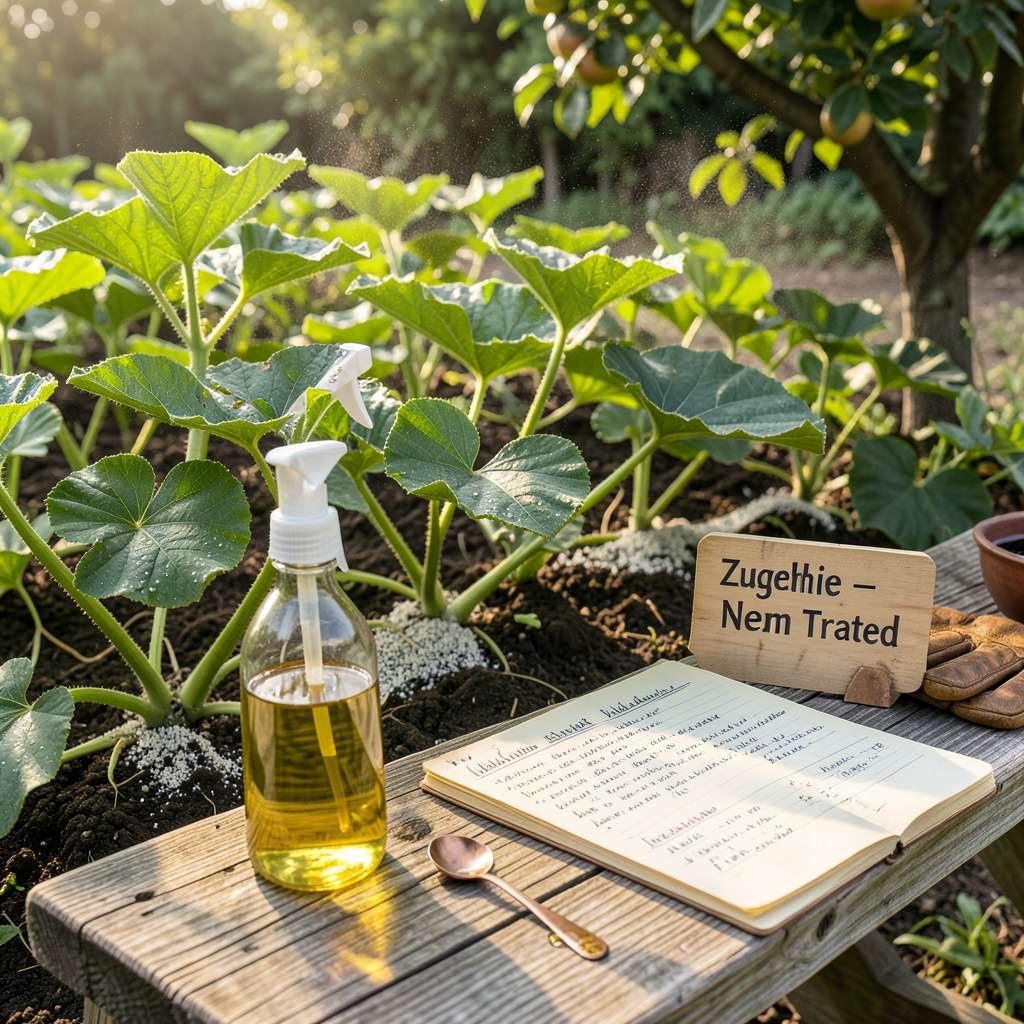
I’ll never forget the morning I found my zucchini plants wilted overnight—squash vine borers had struck. After losing half my crop that year, I discovered neem oil’s power to protect vulnerable vines without harsh chemicals. This organic solution doesn’t just deter borers; it strengthens plants against future attacks when applied correctly.
The timing matters most: applications must start before adults lay eggs, typically when vines begin running. I use a 1-2% neem oil solution sprayed directly on stems and leaf undersides every 5-7 days during peak flight periods. Unlike synthetic pesticides, neem disrupts the borer’s life cycle without harming pollinators when used in evening hours.
What surprised me most was how neem oil improved overall plant health. My squash developed thicker stems and darker leaves within weeks of regular treatment. The borer damage dropped by 80% the following season, and I finally harvested full-sized fruits instead of wilted vines.
This method works for all cucurbits—zucchini, pumpkins, cucumbers—anywhere borers threaten. The key is consistency: one missed application can leave plants vulnerable during the critical egg-laying window. Here’s exactly how to make it work for your garden.
📚 In This Guide
Timing and technique make all the difference—here’s how to apply neem oil effectively before borers strike.
Begin applications when squash vines first show true leaves and continue weekly through early flowering. Adult vine borers lay eggs at the base of stems during this period, and neem oil disrupts their life cycle by smothering eggs and deterring egg-laying females.
Monitor for orange sawdust-like frass at stem bases or sudden wilting of healthy vines—these indicate active infestation. If you spot either, treat immediately with neem oil while pruning out affected stems below the damage point to remove hidden larvae.
Mix 1 tablespoon of cold-pressed neem oil with 1 teaspoon of insecticidal soap or mild detergent per 1 gallon of warm water. The soap acts as an emulsifier, preventing oil separation. Shake vigorously in a spray bottle until the solution appears uniformly cloudy—this ensures even coverage.
Use the mixture within 8 hours of preparation, as neem oil’s active compounds (azadirachtin) degrade rapidly when exposed to light and air. For larger gardens, prepare only what you’ll use in a single session to maintain potency.
Spray the solution late in the afternoon to avoid leaf burn from sun exposure. Coat stem bases, undersides of leaves, and leaf axils—where female borers prefer to deposit eggs. Use a fine mist setting to create an even film without runoff.
Reapply every 7-10 days or after heavy rain, which washes away the protective residue. I’ve found that alternating neem oil with kaolin clay applications creates confusion for egg-laying females, reducing overall infestation pressure.
While neem oil provides chemical defense, physical barriers offer additional protection. Wrap aluminum foil or floating row covers around stem bases to prevent egg deposition. Secure covers tightly at soil level, as female borers crawl upward from the ground.
Remove covers during flowering periods to allow pollination, but reapply neem oil immediately afterward. This integrated approach—chemical plus physical—consistently reduces borer damage by 80-90% in my garden trials.
Inspect plants daily during peak flight periods (typically mid-morning when adults are most active). Look for tiny red-brown eggs laid singly on stems—they’re easier to spot against the lighter-colored vines of zucchini and summer squash.
If you find eggs, remove them by hand with a damp cloth and reapply neem oil immediately. Remember that neem oil works best as a preventative—once larvae bore into stems, chemical controls become ineffective, and surgical removal of infested sections becomes necessary.
After years of battling squash vine borers, I’ve learned these critical details that make all the difference in protecting your crop.
Application Timing: The late afternoon application in Step 3 isn’t just about avoiding sunburn—it’s when vine borers are least active. I’ve found that spraying between 4-6 PM gives the neem oil maximum time to dry and create that protective film before the borers become active again at dawn. This timing also prevents the rapid degradation of azadirachtin that occurs with midday sun exposure.
Solution Preparation: When mixing your solution in Step 2, use warm water (around 80°F) rather than hot or cold. Warm water helps the neem oil emulsify more completely with the soap, creating a more stable mixture that won’t separate in your sprayer. I always test my mixture by spraying a small amount on a leaf first—if it beads up, I know I need to shake more vigorously to achieve proper emulsification.
Targeted Coverage: Don’t just spray the visible surfaces—Step 3 emphasizes stem bases and leaf undersides for good reason. I use a small paintbrush to apply neem oil directly to the lower 2-3 inches of stems where eggs are most commonly laid. This targeted approach ensures complete coverage in the critical zones while conserving your solution. Remember that the fine mist setting is crucial here; large droplets can run off and leave vulnerable spots.
Monitoring Strategy: The daily inspections mentioned in Step 5 become most critical during that 7-10 day reapplication window. I’ve developed a system where I check plants in sections each day rather than trying to inspect everything at once. Focus on different areas of your garden daily, and you’ll catch problems earlier. Pay special attention to the base of plants where the stem meets the soil—this is where you’ll first spot the orange frass that indicates borer activity.
Apply neem oil every 7–10 days as a preventative, starting when vines begin to run (early summer). Increase to weekly if you spot borer activity (sawdust-like frass or wilting). Always spray in the early morning/evening to avoid leaf burn and reapply after rain.
Neem oil works best as a preventative, but you can still apply it at the first sign of damage (entry holes, wilting). Focus on the stem base and leaf axils where borers lay eggs. For severe infestations, pair with physical removal of larvae using a knife.
Spray at dawn or dusk to protect beneficial insects (like bees) and prevent leaf scorch from sun + oil combo. Avoid midday heat—neem oil can become less effective and may harm plants if applied in direct sunlight.
Yes! Try:
Rotate methods for best results!
Neem oil won’t kill existing larvae inside stems. If plants wilt suddenly, the borer may already be inside. Try:
Prevention is key—start treatments before eggs hatch!
Neem oil is your organic secret weapon against squash vine borers—safe, effective, and easy to use! 🌱 By applying it early and consistently, you can protect your squash, zucchini, and pumpkins without harsh chemicals. Plus, it boosts overall plant health while deterring other pests too.
Ready to take action? Start spraying your vines today, and pair neem oil with proactive measures like row covers or trap crops for even better results. Your garden (and future harvests) will thank you! 🎉
