
Beautiful Plants For Your Interior
Beautiful Plants For Your Interior
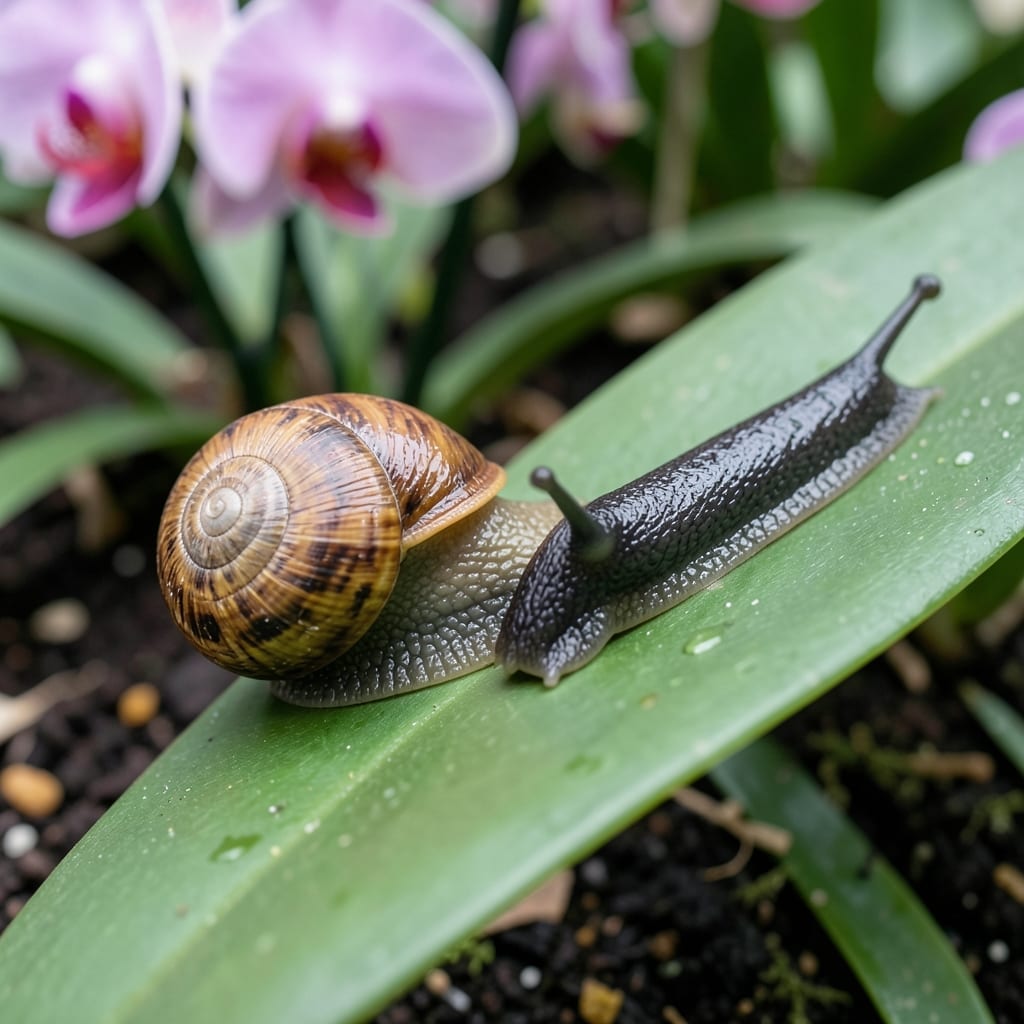
Waking up to silvery trails on my orchid leaves was a rude surprise. 🌱 These quiet invaders can strip a plant overnight, leaving behind ragged edges and slime instead of blooms.
Here’s the thing—snails and slugs love the same moist, shaded conditions that orchids thrive in. They hide under pots by day and feast at night, making them tricky to spot until the damage is done.
I’ve tested every trick: beer traps, copper tape, and hand-picking at dusk. The organic methods work best, protecting your plants without harsh chemicals that could harm delicate orchid roots.
With consistent effort, you’ll see new growth replacing the damaged leaves, and your orchids will reward you with stronger, more vibrant blooms next season.
Snails and slugs are naturally drawn to orchids for several key reasons, often tied to their survival needs and the ideal conditions orchids provide. Understanding these causes helps you address the root of the problem effectively.
Orchids thrive in humid environments, and so do snails and slugs. These pests are highly attracted to moisture, which orchid growing setups—like misting systems, damp potting mixes, or tray watering—readily supply. Achatinella and Deroceras species, common orchid pests, seek out these damp microclimates to stay hydrated and lay eggs.
Orchid pots often contain organic materials like bark, sphagnum moss, or leaf litter, which break down over time. As these decompose, they release nutrients and emit odors that act as a beacon for snails and slugs. These pests feed on the decaying matter, turning your orchid’s medium into a buffet.
Orchids have soft, succulent leaves, flowers, and roots—perfect for snails and slugs to munch on. Unlike tougher plants, orchids offer easy access to nutrients with minimal effort. Limax maximus, a common garden slug, is particularly fond of young orchid shoots and flower buds, causing visible damage overnight.
The dense foliage, pot crevices, and shaded areas around orchids create ideal hiding spots for these nocturnal pests. They avoid direct sunlight and predators by taking refuge under orchid leaves or inside pots during the day, emerging at night to feed undisturbed.
Dealing with snails and slugs on your orchids requires a mix of removal and prevention. Here’s how to tackle each cause and keep your blooms thriving.
Inspect your orchids at dusk or dawn, when these pests are most active. Handpick snails and slugs, then drop them into a bucket of soapy water. For stubborn pests, use tweezers to gently remove them from leaves and stems. Prevention tip: Check pots and saucers daily to catch new invaders early.
Create a protective ring around your orchids with crushed eggshells, diatomaceous earth, or copper tape. These abrasive or reactive materials deter snails and slugs without chemicals. Prevention tip: Reapply barriers after rain, as moisture can reduce their effectiveness.
Spray a mix of 1 part coffee grounds to 10 parts water or a diluted neem oil solution on affected areas. Both disrupt pests while being orchid-safe. Prevention tip: Apply in the evening to avoid harming beneficial insects like bees.
Set up beer traps (shallow dishes of beer) near orchids. Snails and slugs are attracted to the yeast, fall in, and drown. Prevention tip: Refresh traps every 2–3 days and place them away from plant roots to avoid soil saturation.
💡 Pro Tip: Keep orchids elevated on stands or hangers. This reduces access for pests and improves airflow, making your plants less inviting.
Inspect at dusk or dawn when they’re most active. Use a flashlight to spot their silvery trails on leaves and pots.
Avoid salt near orchids—it can harm the plant roots. Instead, use beer traps or copper tape for safe, effective control.
They’re drawn to moisture and decaying matter. Remove old leaves, refresh potting mix, and reduce excess water to discourage them.
Most chemicals can damage delicate orchid tissues. Stick to organic sprays like neem oil or coffee solutions for a gentler approach.