
Beautiful Plants For Your Interior
Beautiful Plants For Your Interior
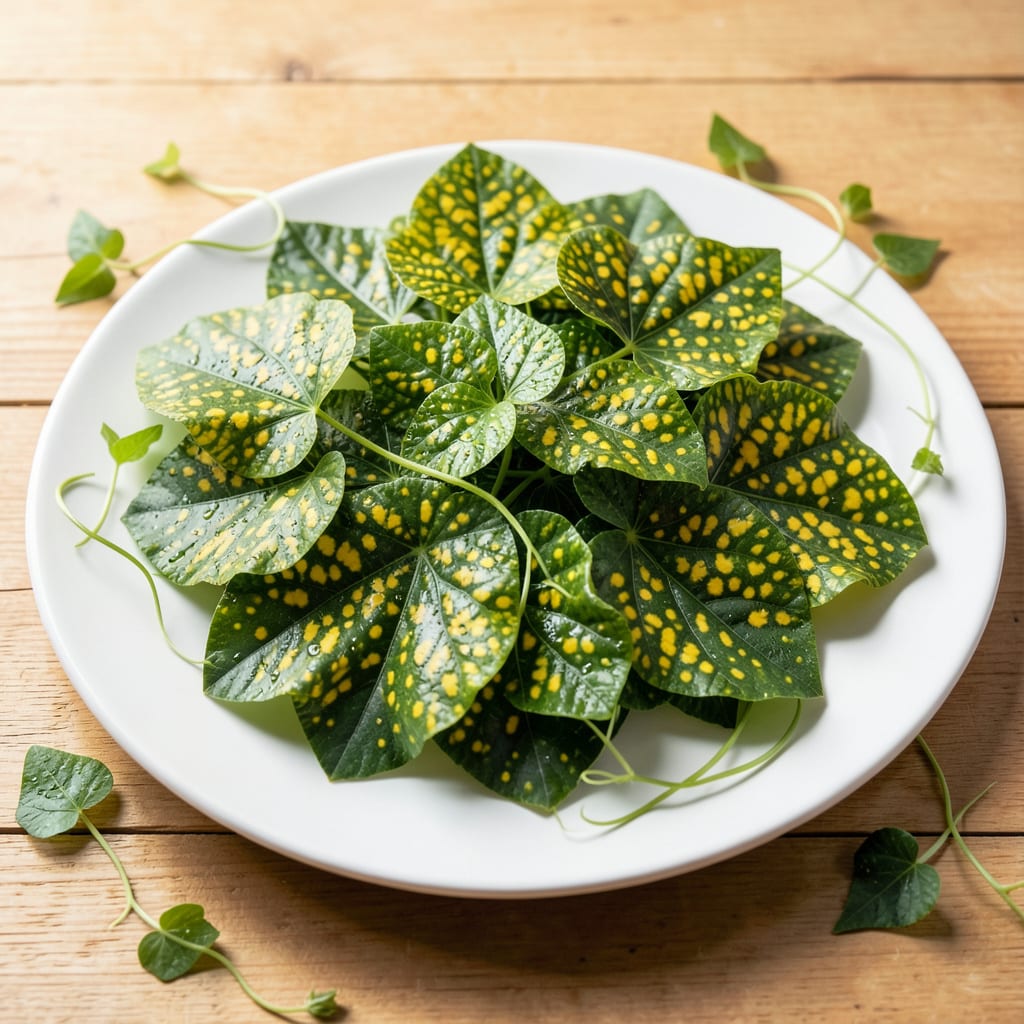
Yellow spots on cucumber leaves always send a pit of dread to my stomach. I’ve lost entire harvests to this before learning how to spot the difference between pest damage, fungal spread, and simple nutrient gaps.
The patterns tell the story: scattered dots suggest mites, circular rings scream downy mildew, while yellowing between veins points to magnesium hunger. Each cause needs a different organic response.
Within 48 hours of proper treatment, new growth emerges clean. The key is acting before the spots spread to fruit. I now check leaves daily during humid weeks.
Works for greenhouse plants, backyard trellises, or container cucumbers. Here’s how to diagnose and fix it.
Yellow spots on cucumber leaves are often a sign of underlying stress or disease. Here are the most common causes, explained with actionable insights:
Pathogens like Cercospora or Alternaria thrive in warm, humid conditions, creating circular yellow or brown spots. These fungi spread via spores in water or wind. Prevent with: proper spacing for airflow, drip irrigation (avoid wetting leaves), and copper-based fungicides at first sign.
Spider mites and aphids pierce leaf cells, causing stippling or yellow mottling. Their feeding disrupts chlorophyll, leading to discoloration. Check undersides of leaves for webbing or tiny insects. Blast them off with water or apply neem oil weekly until gone.
Magnesium or potassium shortages often appear as interveinal yellowing (spots between veins). Test soil pH—cucumbers prefer 6.0–6.8. Fix with: Epsom salt (magnesium) or compost tea for a balanced nutrient boost.
Overwatering or heat stress can trigger yellow spotting. Roots suffocate in soggy soil, while temperatures above 90°F (32°C) disrupt photosynthesis. Adjust care: water at the base only when the top inch of soil is dry, and provide afternoon shade in extreme heat.
Addressing yellow spotted cucumber leaves starts with identifying the root cause. Below are targeted solutions for common issues, paired with prevention tips to keep your plants thriving.
Fix: Remove infected leaves immediately to prevent spread. Apply a copper-based fungicide or a homemade spray of 1 tsp baking soda + 1 quart water + a few drops of dish soap. Spray every 5–7 days until symptoms vanish.
Prevention: Improve airflow by spacing plants 18–24 inches apart. Water at the base (not overhead) to keep leaves dry. 💡 Pro tip: Use drip irrigation for consistent moisture without wetting foliage.
Fix: Blast pests off with a strong stream of water. Apply neem oil or insecticidal soap, covering both sides of leaves. Repeat every 3–5 days until pests are gone.
Prevention: Introduce beneficial insects like ladybugs or lacewings. Keep the garden free of debris where pests breed.
Fix: For magnesium, apply Epsom salt (1 tbsp per gallon of water) as a foliar spray. For iron, use chelated iron granules or a liquid supplement. Yellow spots should fade within 1–2 weeks.
Prevention: Test soil annually and amend with compost or balanced organic fertilizer before planting. ✨ Quick win: Side-dress with worm castings mid-season for a nutrient boost.
Fix: Stop watering immediately and let the soil dry out. If root rot is suspected, trim affected roots and repot in fresh, well-draining soil.
Prevention: Use raised beds or containers with drainage holes. Water only when the top 1–2 inches of soil are dry. Mulch with straw to retain moisture without waterlogging.
Consistency is key—monitor leaves weekly and act at the first sign of trouble. Healthy cucumbers start with vigilance!
Check the pattern: scattered tiny dots often mean mites, while circular rings suggest fungal disease. Look for webbing or insects under leaves for pests.
Neem oil is great for pests but won’t treat fungal infections or nutrient deficiencies. For fungi, use copper-based sprays, and for deficiencies, try Epsom salt or compost tea.
Yes! Soggy soil suffocates roots, leading to yellow spotting. Let soil dry between waterings and ensure good drainage to prevent this.
Remove them immediately at the first sign of spots to prevent spread. Use clean scissors and disinfect between cuts to avoid contaminating healthy leaves.
