
Beautiful Plants For Your Interior
Beautiful Plants For Your Interior
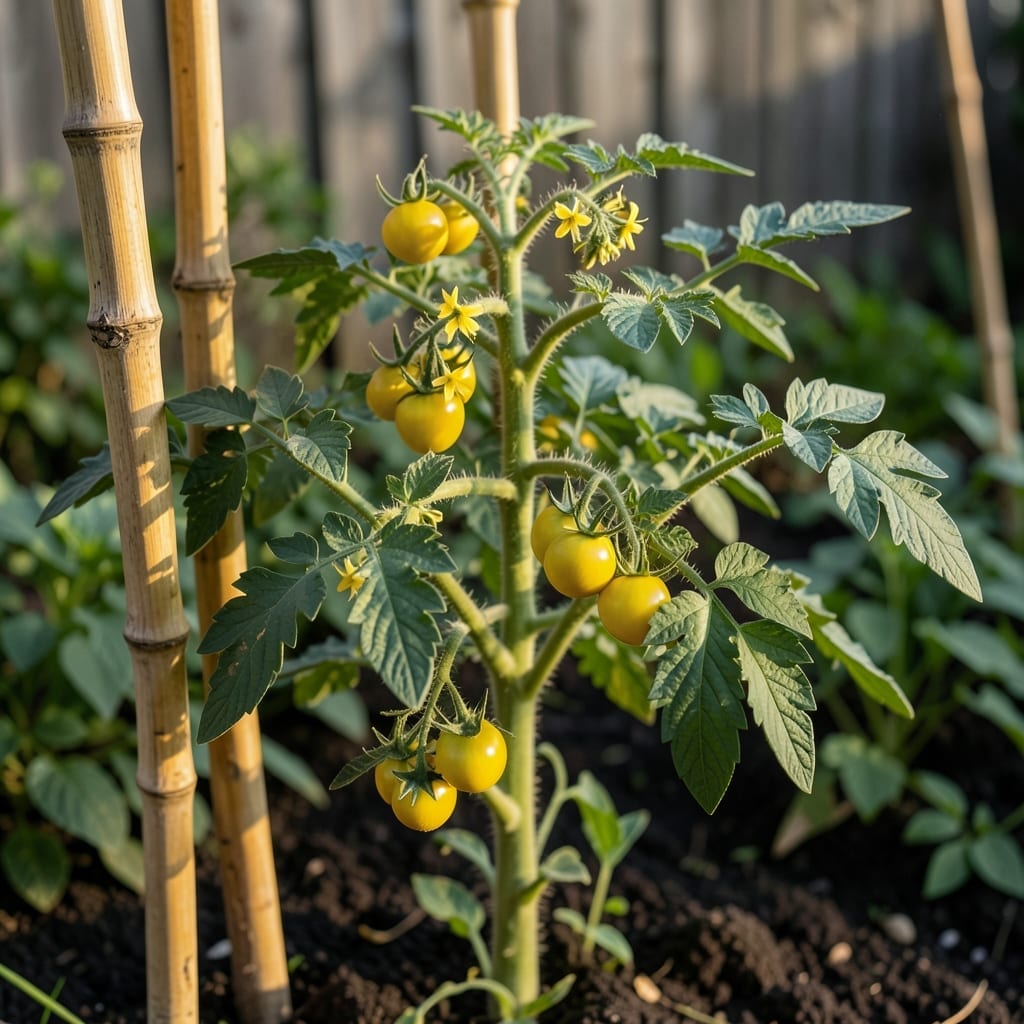
These little powerhouses pack a flavor punch way beyond their size. I’ve grown Yellow Taxi tomatoes in containers for three seasons now, and they never fail to deliver bright, tangy fruit in tight spaces.
The plants stay compact—under 3 feet tall—but produce heavy clusters of yellow cherry tomatoes. They thrive in pots on a sunny patio or tucked into a small garden bed, as long as they get 6-8 hours of sunlight daily.
With consistent watering and a bit of fertilizer, you’ll be picking sweet, golden tomatoes in about 60 days from transplant. The flavor is surprisingly rich for such a small fruit, and the plants resist cracking better than most varieties.
Perfect for beginners or anyone short on space. Here’s how to get the most from these prolific little producers.
Yellowing in Taxi tomato plants often stems from environmental, nutritional, or pathological factors. Below are the most common causes, explained with actionable insights.
Tomatoes are heavy feeders, and a lack of essential nutrients can trigger leaf yellowing. Nitrogen deficiency typically affects older leaves first, turning them pale yellow while veins remain green. Magnesium or potassium shortages may cause interveinal chlorosis (yellowing between veins) or leaf edges to yellow and curl. A soil test can pinpoint deficiencies; amend with a balanced fertilizer or targeted supplements like Epsom salt (for magnesium).
Root systems need oxygen to thrive. Overwatering or compacted soil suffocates roots, leading to poor nutrient uptake and yellowing leaves. Check soil moisture 1–2 inches deep—if it’s soggy, reduce watering and improve drainage with perlite or compost. Taxi tomatoes, being compact, are especially sensitive to waterlogged conditions.
Spider mites, aphids, or whiteflies sap plant juices, causing stippled yellowing or distorted growth. Inspect leaf undersides and treat with neem oil or insecticidal soap. Fungal diseases like early blight (brown spots with yellow halos) or fusarium wilt (sudden yellowing and wilting) thrive in wet foliage. Prevent with proper spacing, drip irrigation, and fungicide applications if needed.
Extreme temperatures (below 50°F or above 90°F) or transplant shock can stress Taxi plants, leading to temporary yellowing. Acclimate seedlings gradually and provide shade cloth during heatwaves. Cold nights? Use row covers to retain warmth.
If your Yellow Taxi tomato plants are showing yellow leaves or stunted growth, these targeted fixes will help restore their vigor. Below are practical solutions for common problems, paired with prevention tips to keep your plants thriving.
Yellow lower leaves often signal a nitrogen deficiency. Apply a balanced, water-soluble fertilizer (10-10-10) or a nitrogen-rich organic option like compost tea. For magnesium deficiency (yellowing between leaf veins), sprinkle 1 tablespoon of Epsom salt per gallon of water at the base.
Prevent it: Test soil annually and amend with compost before planting. Use a slow-release fertilizer at planting time.
Soggy soil suffocates roots, causing yellowing and wilting. Let the top 1–2 inches of soil dry out between waterings. If the pot lacks drainage, repot into a container with holes and use a well-draining potting mix.
Prevent it: Water in the morning to allow excess moisture to evaporate. Use a moisture meter to avoid guesswork.
Yellow Taxi tomatoes need 6–8 hours of direct sunlight daily. If growing indoors or in shade, supplement with grow lights (LED or fluorescent) for 12–16 hours a day. Rotate pots weekly for even exposure.
Prevent it: Place containers in the sunniest spot available, or use reflective surfaces (like white walls) to amplify light.
Aphids, whiteflies, or spider mites sap plant juices, leading to yellow, speckled leaves. Blast pests off with water or apply neem oil or insecticidal soap. For severe cases, introduce beneficial insects like ladybugs.
Prevent it: Inspect leaves weekly (especially undersides) and remove debris around plants to deter pests.
💡 Pro Tip: Prune yellow or diseased leaves promptly to redirect energy to healthy growth. Always sterilize tools with rubbing alcohol to prevent spreading issues!
These compact plants thrive with 6-8 hours of direct sunlight. Less light slows growth and reduces fruit production. Use grow lights if natural light is insufficient.
Use a 5-gallon pot minimum for each plant. Ensure it has drainage holes to prevent waterlogging. Smaller containers restrict root growth and yield.
Water when the top 1-2 inches of soil feel dry. Aim for consistent moisture, not soggy soil. Morning watering helps prevent fungal issues.
Common causes include overwatering, nutrient deficiency, or pest issues. Check soil moisture and inspect leaves for bugs. A soil test helps identify missing nutrients.