
Beautiful Plants For Your Interior
Beautiful Plants For Your Interior
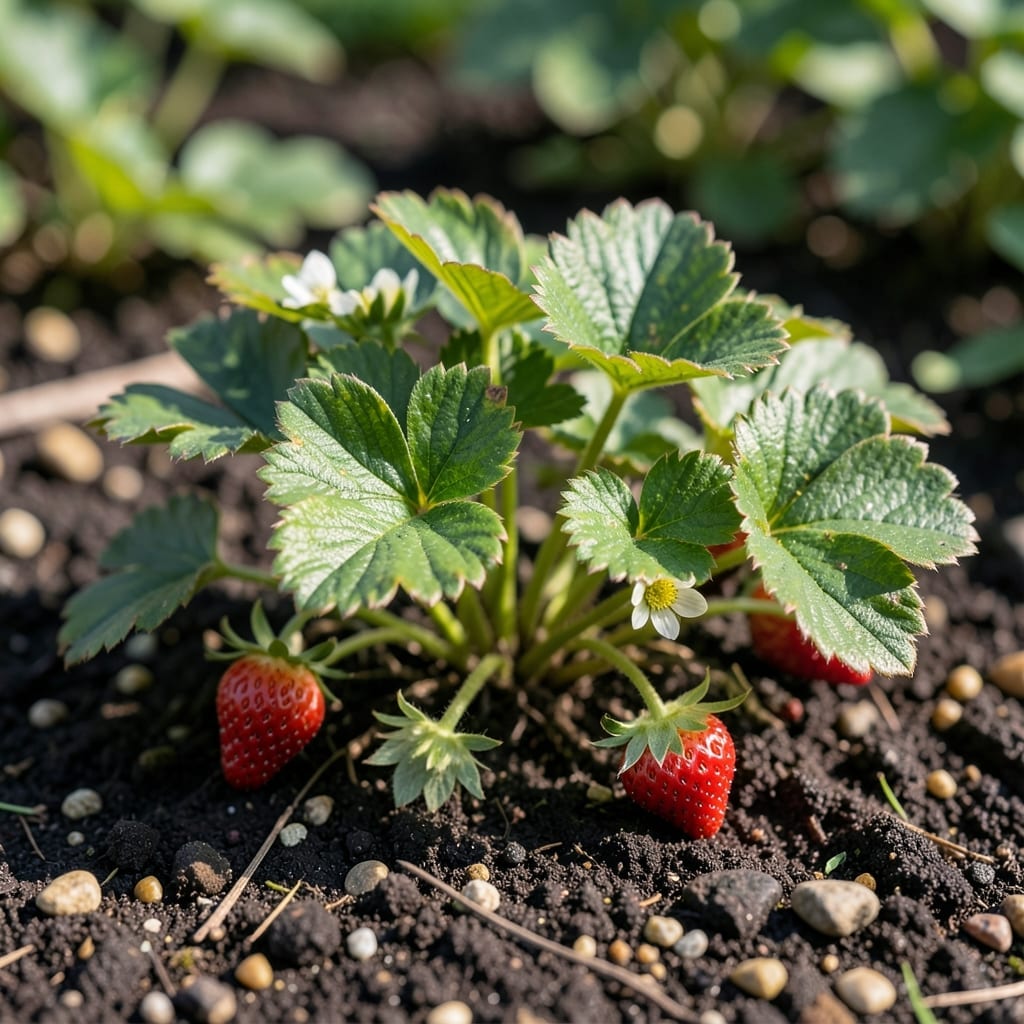
Yellow leaves on strawberry plants always signal something’s off. I’ve seen this in my own garden when plants get stressed by too much water or not enough food.
Often it’s a simple fix—adjusting water, adding compost, or checking for pests hiding under the leaves. The key is catching it early before the whole plant weakens.
Natural treatments work best, from neem oil sprays to eggshell mulch for calcium. These methods strengthen plants without harsh chemicals.
With the right approach, your strawberries can bounce back with healthy green leaves and a strong harvest next season.
Yellowing leaves on strawberry plants, or chlorosis, signal that something is disrupting the plant’s ability to produce chlorophyll. Several underlying factors can trigger this, each requiring a different solution. Below are the most common causes, explained with actionable insights.
Strawberries are heavy feeders, and a lack of key nutrients often shows up as yellow leaves. Nitrogen deficiency typically causes uniform yellowing of older leaves first, as the plant redirects nitrogen to new growth. Iron deficiency, common in alkaline soils (pH > 7.0), leads to interveinal chlorosis—yellowing between the veins—while veins remain green. Magnesium deficiency appears as yellowing between veins on older leaves, often with brown spots. Fix: Test soil pH (aim for 5.5–6.8) and amend with compost, chelated iron, or Epsom salt (for magnesium).
Excess moisture suffocates roots, preventing them from absorbing oxygen and nutrients. This often causes yellowing leaves, wilting, and root rot. Strawberries prefer consistently moist but well-draining soil. Fix: Ensure pots have drainage holes, use raised beds in heavy clay soils, and water only when the top inch of soil feels dry.
Extreme heat, cold snaps, or excessive sun exposure can stress strawberries, leading to yellowing. Heat stress often causes leaf edges to turn yellow or brown, while cold damage may result in widespread yellowing and wilting. Fix: Provide afternoon shade in hot climates, use mulch to regulate soil temperature, and protect plants with row covers during unexpected frosts.
Pests like spider mites and aphids sap nutrients from leaves, causing yellowing and stippling. Fungal diseases, such as powdery mildew or leaf spot, also lead to chlorosis. Fix: Inspect leaf undersides for pests; treat with neem oil or insecticidal soap. For fungi, improve airflow, avoid overhead watering, and apply copper-based fungicides preventatively.
If your strawberry plants are sporting yellow leaves, don’t panic—most causes are fixable with a little care and attention. Below are targeted solutions for common issues, along with prevention tips to keep your plants thriving.
Fix: Test your soil to identify missing nutrients. For nitrogen deficiency, apply a balanced organic fertilizer (10-10-10) or work compost into the soil. If iron or magnesium is lacking, use chelated iron or Epsom salt (1 tablespoon per gallon of water) as a foliar spray. Avoid over-fertilizing, which can burn roots.
Prevention: Amend soil with compost before planting and fertilize lightly every 4-6 weeks during the growing season. 💡 Pro Tip: Strawberries prefer slightly acidic soil (pH 5.5–6.5)—test and adjust if needed.
Fix: Let the soil dry out slightly between waterings. If the soil is soggy, improve drainage by mixing in perlite or sand. For potted plants, ensure containers have drainage holes. Trim any black, mushy roots to prevent rot.
Prevention: Water at the base of the plant in the morning to allow excess moisture to evaporate. Use a moisture meter to avoid guesswork. 🌡️ Pro Tip: Mulch with straw to retain moisture without waterlogging.
Fix: For spider mites or aphids, spray leaves with a mix of water and insecticidal soap (1 tsp per quart). For nematodes, remove and destroy affected plants, then solarize the soil by covering it with clear plastic for 4-6 weeks to kill pests.
Prevention: Encourage beneficial insects like ladybugs by planting companion flowers (e.g., marigolds). Inspect leaves regularly for early signs of pests. ✨ Pro Tip: Avoid chemical pesticides—they can harm pollinators!
Fix: If leaves yellow due to too much sun, provide afternoon shade with a shade cloth. For cold damage, cover plants with frost blankets during unexpected chills. Transplant heat-sensitive varieties to cooler spots if needed.
Prevention: Choose a planting location with 6-8 hours of morning sun and dappled afternoon shade. Harden off seedlings before transplanting to avoid shock. 🎯 Pro Tip: Strawberries in containers can be moved to optimal conditions as weather changes.
Once leaves turn yellow, they won’t recover their green color. Focus on fixing the underlying issue to prevent new leaves from yellowing.
Yes, gently prune yellow leaves to redirect energy to healthy growth. Use clean scissors and remove them at the base.
Water when the top 1 inch of soil feels dry, typically 2-3 times per week. Avoid soggy soil to prevent root rot.
A balanced organic fertilizer like 10-10-10 works well. Apply lightly every 4-6 weeks during the growing season.