
Beautiful Plants For Your Interior
Beautiful Plants For Your Interior
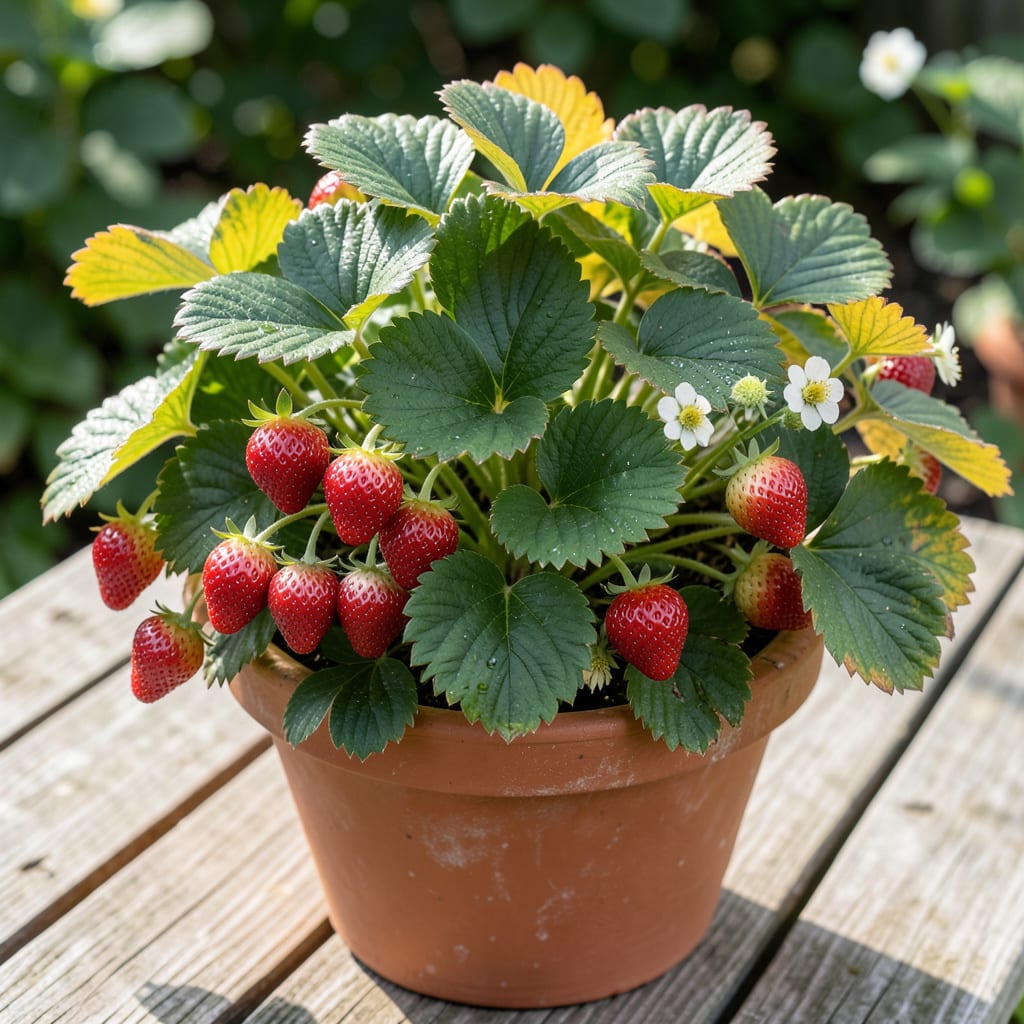
Yellow leaves on strawberry plants always catch me off guard. I’ve seen entire patches turn sickly overnight, and it’s never just one cause—it’s usually a mix of nutrient shortages or too much water doing the damage.
What most people miss is that strawberries are dramatic about their needs. They’ll yellow at the edges if nitrogen’s low, or turn pale all over when roots are drowning. The fix is simpler than you’d think once you know what to look for.
I’ve saved more plants than I can count by adjusting water first, then soil. Within 7-10 days, the green starts creeping back in. The key is catching it early before the whole plant gives up.
Works for potted berries, garden rows, or hanging baskets. Here’s how to diagnose and fix it fast.
Strawberry plants develop yellow leaves for several reasons, often tied to environmental stress or care imbalances. Below are the most common causes, explained with actionable insights.
Yellowing often signals a lack of nitrogen, iron, or magnesium. Nitrogen deficiency causes uniform yellowing in older leaves, while iron shortage leads to interveinal chlorosis (yellowing between veins) in new growth. Magnesium deficiency starts with yellowing at leaf edges, progressing inward. A balanced fertilizer (e.g., 10-10-10) or foliar sprays can correct this.
Excess water suffocates roots, reducing oxygen uptake and nutrient absorption. This triggers yellowing, often accompanied by wilting or mold. Strawberries need moist but well-draining soil—water only when the top inch is dry. Raised beds or containers improve drainage.
Pathogens like Verticillium wilt or Phytophthora root rot disrupt water and nutrient flow, causing yellow, wilted leaves. Remove infected plants and avoid overhead watering. Fungicides (e.g., copper-based) may help, but prevention (crop rotation, resistant varieties) is key.
Extreme heat, cold, or sunburn can bleach leaves yellow. Mulch with straw to regulate soil temperature, and provide shade cloth during heatwaves. Transplant shock may also cause temporary yellowing—acclimate seedlings gradually.
Here’s how to tackle the most common causes of yellowing leaves on your strawberry plants, with simple, actionable fixes and prevention tips to keep them thriving.
Fix: Test your soil with a kit to identify missing nutrients. For nitrogen deficiency, apply a balanced fertilizer (10-10-10) or a nitrogen-rich option like blood meal. For iron or magnesium, use chelated iron or Epsom salt (1 tablespoon per gallon of water, sprayed on leaves).
Prevention: Feed plants with compost or organic matter at planting and again mid-season. Avoid over-fertilizing, which can burn roots.
Fix: Let the soil dry slightly between waterings—stick your finger an inch deep; if it’s dry, water. If the soil is soggy, improve drainage by mixing in perlite or sand. Use raised beds if your soil retains too much moisture.
Prevention: Water at the base in the morning to reduce evaporation and fungal risks. Ensure pots have drainage holes.
Fix: Inspect leaves for aphids, spider mites, or whiteflies. Spray off pests with water or apply neem oil (1 teaspoon per quart of water). For severe cases, use insecticidal soap.
Prevention: Encourage beneficial insects like ladybugs by planting companion flowers. Keep the garden clean of debris where pests hide.
Fix: If leaves yellow from too much sun, provide afternoon shade with row covers. For cold stress, mulch heavily with straw to insulate roots. Transplant stressed plants to a more suitable spot if needed.
Prevention: Choose a planting location with 6–8 hours of sunlight and consistent temperatures. Use mulch year-round to regulate soil temperature.
💡 Pro Tip: Regularly remove yellow leaves to redirect energy to healthy growth and prevent disease spread.
Check the soil first—if it’s soggy and smells sour, it’s likely overwatering. If the soil is dry but leaves still yellow, test for nutrient deficiencies. Overwatering often causes wilting, while nutrient issues show specific patterns like edge yellowing for magnesium.
Old yellow leaves won’t recover, but new growth should return to green within 7-10 days of correcting the issue. Remove severely yellowed leaves to focus the plant’s energy on healthy growth.
Apply a quick-release nitrogen fertilizer like blood meal or fish emulsion. For immediate results, use a foliar spray with 1 tablespoon of Epsom salt per gallon of water for magnesium. Always water after applying dry fertilizers.
