
Beautiful Plants For Your Interior
Beautiful Plants For Your Interior
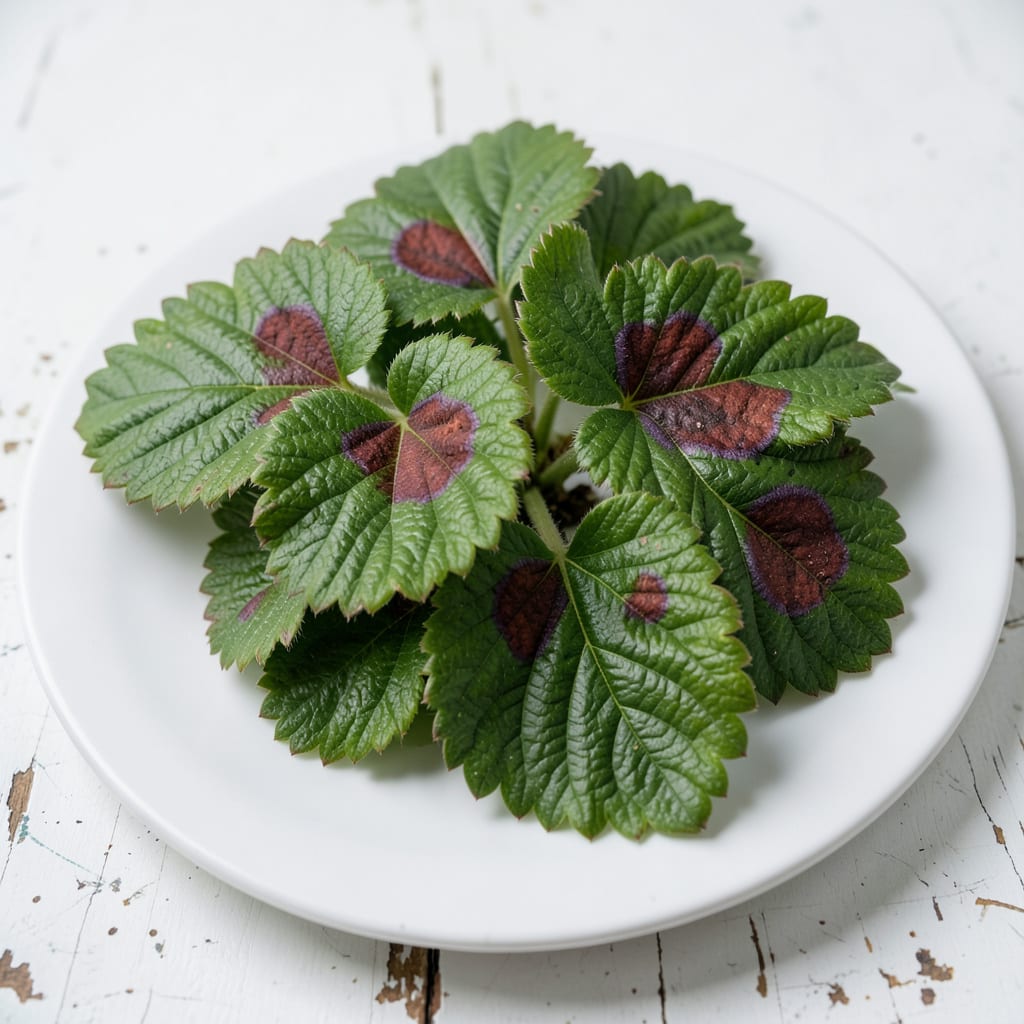
Those purple-brown spots on your strawberry leaves aren’t sunburn—they’re trouble. I first noticed them on my June-bearing plants and nearly lost half my crop that season.
This disease spreads fast in wet conditions, turning healthy foliage into Swiss cheese overnight. Left unchecked, it weakens plants and reduces fruit quality by 30% or more.
Here’s the thing—organic solutions actually work better than chemicals here. Copper sprays stop it cold, while cultural fixes prevent it from coming back.
Works for garden beds, containers, or commercial patches. Let’s save those berries.
Understanding why strawberry leaf spot disease develops is key to preventing outbreaks in your crop. The condition is primarily driven by a mix of environmental, biological, and cultural factors. Below, we break down the root causes with clear, science-backed explanations.
The most common culprits are fungal species like Mycosphaerella fragariae (causing common leaf spot) and Ramularia tulasnei. These pathogens thrive in moist, humid conditions, producing spores that infect leaves through stomata or wounds. Overhead irrigation or dense plant spacing exacerbates their spread.
Wet foliage for 6+ hours creates an ideal environment for spore germination. Heavy dew, frequent rain, or poor drainage in strawberry beds significantly increases infection risk. Fields with inadequate airflow or those using sprinkler systems are especially vulnerable.
Cool, wet springs (60–75°F) followed by warm, humid summers accelerate disease progression. These conditions weaken plant defenses while speeding up fungal reproduction cycles. Sudden temperature drops can also stress plants, making them more susceptible to infection.
Overcrowded plants, lack of crop rotation, and infected plant debris left in the field are major contributors. Reusing contaminated tools or planting in soil previously used for strawberries (without a 3–4 year break) allows pathogens to persist and reinfect new crops.
Excess nitrogen promotes lush, tender growth that’s more prone to fungal attacks, while potassium or calcium deficiencies weaken cell walls, reducing resistance. A soil test can reveal imbalances before they become a problem.
Combating strawberry leaf spot disease starts with identifying the root cause and applying targeted fixes. Here’s how to tackle each issue and prevent future outbreaks.
If fungal spores are the culprit, prune infected leaves immediately to stop the spread. Dispose of them in sealed bags—not the compost. Apply copper-based fungicides or organic options like neem oil or baking soda spray (1 tbsp baking soda + 1 tsp dish soap + 1 gallon water). Spray in the early morning for best absorption.
💡 Pro tip: Space plants 12–18 inches apart to improve airflow and reduce humidity, which fungi love.
Soggy soil breeds disease. Water at the base of plants (not overhead) using drip irrigation or a soaker hose. Stick to morning watering so leaves dry by evening. If your soil drains poorly, mix in compost or sand to improve texture.
✨ Prevention: Use mulch (straw or pine needles) to keep soil moisture consistent while preventing splashing water from spreading spores.
Weak plants are more vulnerable. Strengthen them with balanced organic fertilizer (like 5-5-5) every 4–6 weeks. Ensure they get 6–8 hours of sunlight daily. Remove weeds competing for nutrients, and rotate crops yearly to avoid soil depletion.
🎯 Key move: Plant disease-resistant strawberry varieties like ‘Seascape’ or ‘Albion’ for long-term protection.
Pests like aphids can spread the disease. Introduce beneficial insects (ladybugs, lacewings) or spray with insecticidal soap. Keep the garden clean—remove debris where pests hide. For severe cases, use diatomaceous earth around the base of plants.
🌡️ Monitor: Check leaves weekly for early signs of pests or spots to act fast.
Look for purple-brown spots with gray centers on leaves. These often start small but merge into larger patches. Leaves may yellow and drop prematurely.
Rarely, but it can reduce berry quality and yield. The disease primarily affects foliage, weakening plants and making them more vulnerable to other issues.
Remove infected leaves immediately and apply neem oil or a baking soda spray. Copper fungicides work too but require careful application.
Yes, if caught early. Prune damaged leaves, improve airflow, and treat with fungicides. Severe cases may require removal to protect nearby plants.
