
Beautiful Plants For Your Interior
Beautiful Plants For Your Interior
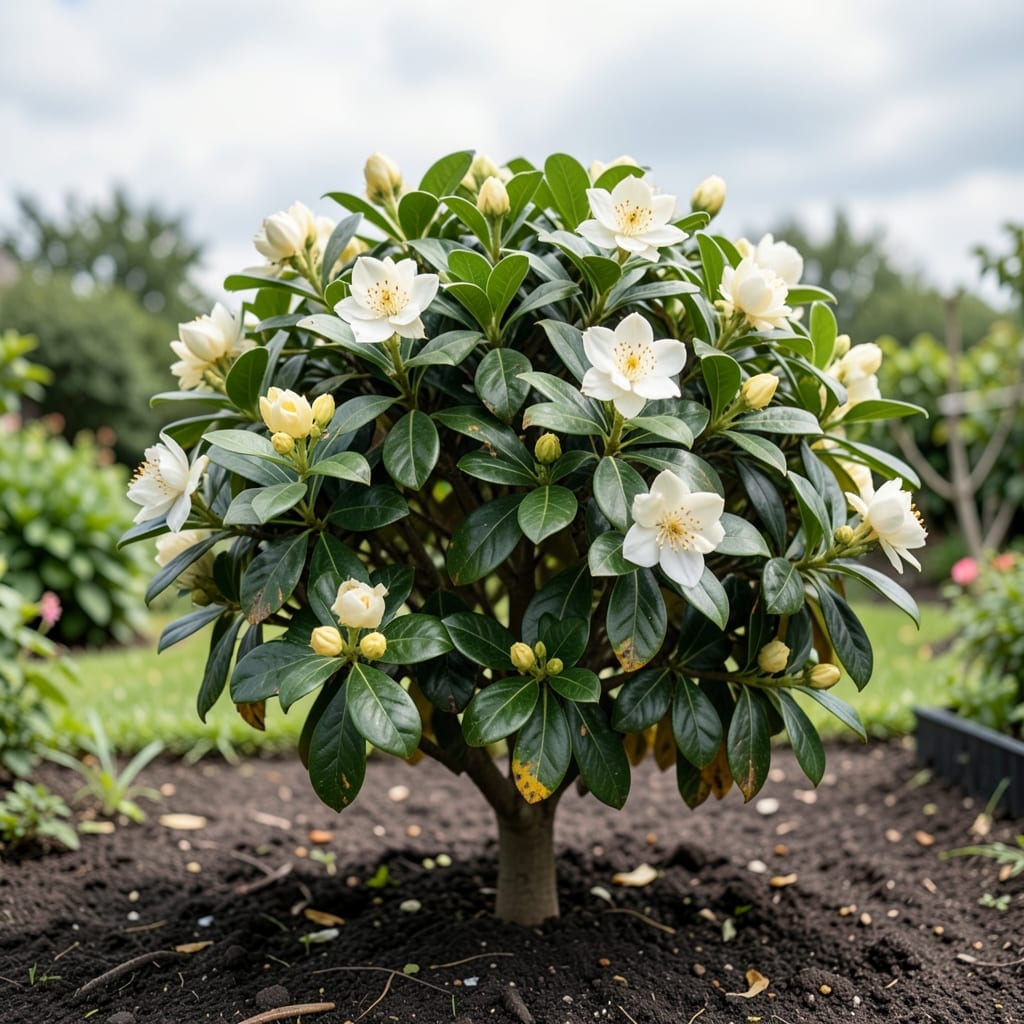
Yellow leaves on gardenias always hit me in the gut. I’ve lost count of how many times I’ve watched healthy green foliage turn sickly overnight, only to realize the fix was simpler than I thought.
The usual culprits are nutrient deficiencies, but watering habits and soil pH often play a bigger role than most gardeners expect. Gardenias need acidic soil and consistent moisture—not soggy roots.
Once you pinpoint the issue, the recovery can be surprisingly fast. I’ve seen plants bounce back with vibrant green growth within 2-3 weeks of the right treatment.
No need for guesswork. Here’s how to diagnose and fix yellow leaves for good.
Gardenias develop yellow leaves due to several underlying issues, often tied to their sensitive nature. Here’s a breakdown of the most common causes, explained scientifically for clarity and actionability.
Gardenias are acid-loving plants (pH 5.0–6.0). Iron deficiency is a primary culprit for yellowing leaves (chlorosis), as alkaline soil locks out iron uptake. Magnesium deficiency also triggers interveinal yellowing, starting in older leaves. Test soil pH and amend with sulfur or chelated iron to restore balance.
Root rot from soggy soil suffocates roots, disrupting nutrient absorption. Gardenias need well-draining, moist soil—not waterlogged. Check drainage and water only when the top inch of soil is dry. Fungal pathogens like Phytophthora thrive in wet conditions, exacerbating yellowing.
Too little light causes chlorophyll breakdown, leading to pale or yellow leaves. Conversely, intense direct sun can scorch foliage. Gardenias prefer bright, indirect light. Temperature swings (below 60°F or above 85°F) also stress the plant, triggering leaf discoloration.
Sap-sucking pests like spider mites, aphids, or whiteflies drain plant fluids, causing yellow stippling or mottling. Inspect leaf undersides and treat with neem oil or insecticidal soap at first signs of infestation.
Reviving your gardenia’s lush green leaves starts with addressing the root cause. Below are targeted fixes for each common issue, along with prevention tips to keep your plant thriving.
Fix: Test your soil with a pH kit—gardenias need acidic soil (pH 5.0–6.0). If the pH is off, amend with sulfur to lower it or lime to raise it. For magnesium deficiency (yellowing between veins), apply Epsom salt (1 tablespoon per gallon of water) monthly. For iron deficiency, use a chelated iron foliar spray or soil drench.
Prevent: Use a balanced, acid-loving fertilizer (e.g., 10-10-10 for gardenias) every 4–6 weeks during growing season. 🌱
Fix: Let the top 1–2 inches of soil dry out before watering again. If roots are soggy or smelly, repot in fresh, well-draining peat-based mix and trim any black, mushy roots. Ensure pots have drainage holes.
Prevent: Water deeply but less frequently—about once a week in warm weather. Use a moisture meter to avoid guesswork. 💦
Fix: Move potted gardenias to bright, indirect light (e.g., east-facing window). Outdoor plants need dappled shade in hot climates. If leaves scorch, shield them with shade cloth. For cold stress, bring pots indoors when temps drop below 60°F (15°C).
Prevent: Acclimate plants gradually to new light conditions. Avoid placing them near drafts or heaters. 🔥
Fix: Wipe leaves with neem oil or insecticidal soap to tackle spider mites, aphids, or scale. For severe cases, use horticultural oil or introduce beneficial insects like ladybugs.
Prevent: Inspect leaves weekly for pests or sticky residue (a sign of aphids). Keep the area around plants clean and debris-free. 🐜
Water when the top 1-2 inches of soil are dry, usually once a week. Overwatering causes root rot, so ensure pots have drainage holes.
Gardenias thrive in acidic soil with a pH of 5.0–6.0. Use a soil test kit and amend with sulfur if needed to achieve this range.
Tap water may contain minerals that raise soil pH over time. Use rainwater or distilled water to avoid alkaline buildup that blocks nutrient uptake.
This is classic iron deficiency. Apply chelated iron or lower soil pH to help the plant absorb iron more effectively.