
Beautiful Plants For Your Interior
Beautiful Plants For Your Interior
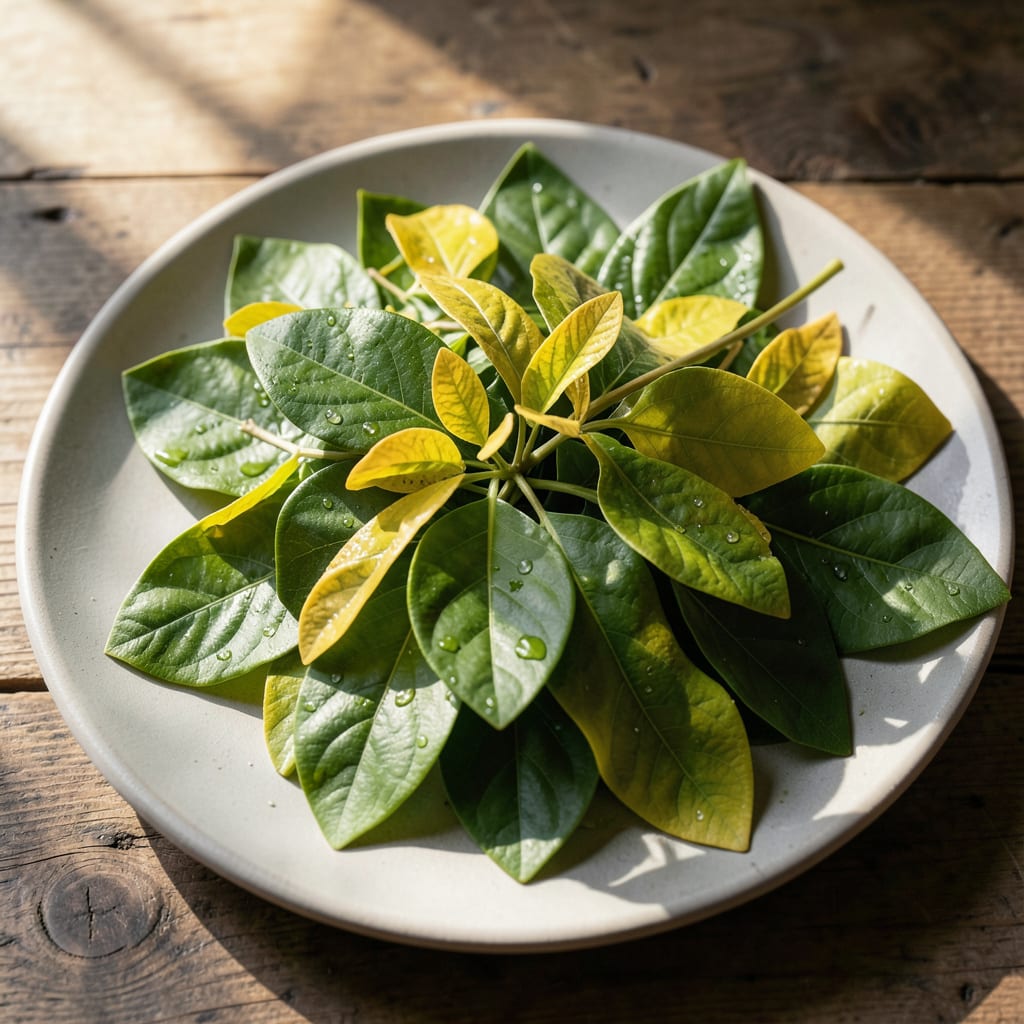
Yellow-green leaves on your bush aren’t just unsightly—they’re a cry for help. I’ve seen this exact pattern in my own garden, and it usually signals a nutrient imbalance rather than a disease.
The most common culprits are nitrogen or iron deficiencies, but overwatering or poor drainage can mimic the same symptoms. The key is checking leaf patterns: uniform yellowing often points to nitrogen, while green veins with yellow tissue scream iron.
Once you’ve identified the issue, the fix can be as simple as adjusting your fertilizer or improving soil pH. I’ve rescued dozens of bushes with targeted amendments and proper watering habits.
Prevention starts with a soil test and consistent care. Your plants will bounce back faster than you’d expect with the right approach.
When your bush’s leaves turn yellow-green, it’s often a sign of an underlying issue. Below are the most common causes, explained scientifically and with actionable insights.
One of the primary reasons for yellow-green leaves is a lack of essential nutrients. Nitrogen deficiency, for example, often causes uniform yellowing of older leaves while veins stay green. Magnesium deficiency, on the other hand, leads to interveinal chlorosis—yellowing between the veins—starting on older leaves. Test your soil to confirm deficiencies, and amend with a balanced fertilizer or specific supplements like Epsom salt for magnesium.
Extreme temperatures, overwatering, or poor drainage can stress the plant, disrupting chlorophyll production. Heat stress may cause yellowing at the leaf edges, while waterlogged roots suffocate and prevent nutrient uptake. Ensure proper drainage and adjust watering habits based on weather conditions.
Soil pH affects nutrient availability. If the pH is too high (alkaline) or too low (acidic), essential nutrients like iron, zinc, or manganese become locked in the soil, leading to chlorosis. Use a pH test kit and adjust with lime (to raise pH) or sulfur (to lower pH) as needed.
Pests like spider mites or aphids drain plant sap, weakening the bush and causing discoloration. Fungal or bacterial infections can also disrupt nutrient flow. Inspect leaves for webbing, spots, or unusual growths, and treat with insecticidal soap or fungicides where necessary.
When your bush starts showing yellow-green leaves, it’s usually a cry for help. The good news? Most causes are fixable with a few simple adjustments. Below are targeted solutions based on the most common culprits, along with prevention tips to keep your plants thriving.
Fix: Test your soil with a kit to confirm missing nutrients. For nitrogen deficiency, apply a balanced fertilizer (10-10-10) or organic options like compost. For iron or magnesium shortages, use chelated iron or Epsom salt (1 tablespoon per gallon of water).
Prevention: 💡 Regularly amend soil with compost and rotate fertilizers to avoid depletion.
Fix: Let the soil dry out between waterings. If drainage is the issue, repot the bush in well-draining soil or add perlite to the mix. Trim any black, mushy roots to prevent rot.
Prevention: ✨ Use pots with drainage holes and water only when the top inch of soil is dry.
Fix: Move the bush to a spot with dappled sunlight if leaves are scorched (too much light) or pale (too little). For indoor plants, a south-facing window or grow light can help.
Prevention: 🎯 Monitor leaf color and adjust placement seasonally as light conditions change.
Fix: Spray leaves with neem oil or insecticidal soap to eliminate aphids, spider mites, or whiteflies. Wipe down leaves with a damp cloth to remove pests and their residue.
Prevention: 🌡️ Inspect plants regularly and quarantine new additions to prevent outbreaks.
With these fixes, your bush should bounce back to its vibrant self in no time!
Check the pattern of yellowing. Uniform yellowing on older leaves suggests nitrogen deficiency, while green veins with yellow tissue indicate iron. A soil test provides the most accurate diagnosis.
Yes! Waterlogged roots suffocate and prevent nutrient uptake, leading to discoloration. Let the soil dry between waterings and ensure proper drainage.
Apply chelated iron as a foliar spray or soil drench. For a quick boost, use 1 tablespoon of Epsom salt per gallon of water for magnesium-related issues.
Remove severely damaged leaves to redirect energy to healthy growth. Avoid excessive pruning, as some yellow leaves may recover with proper care.
