
Beautiful Plants For Your Interior
Beautiful Plants For Your Interior
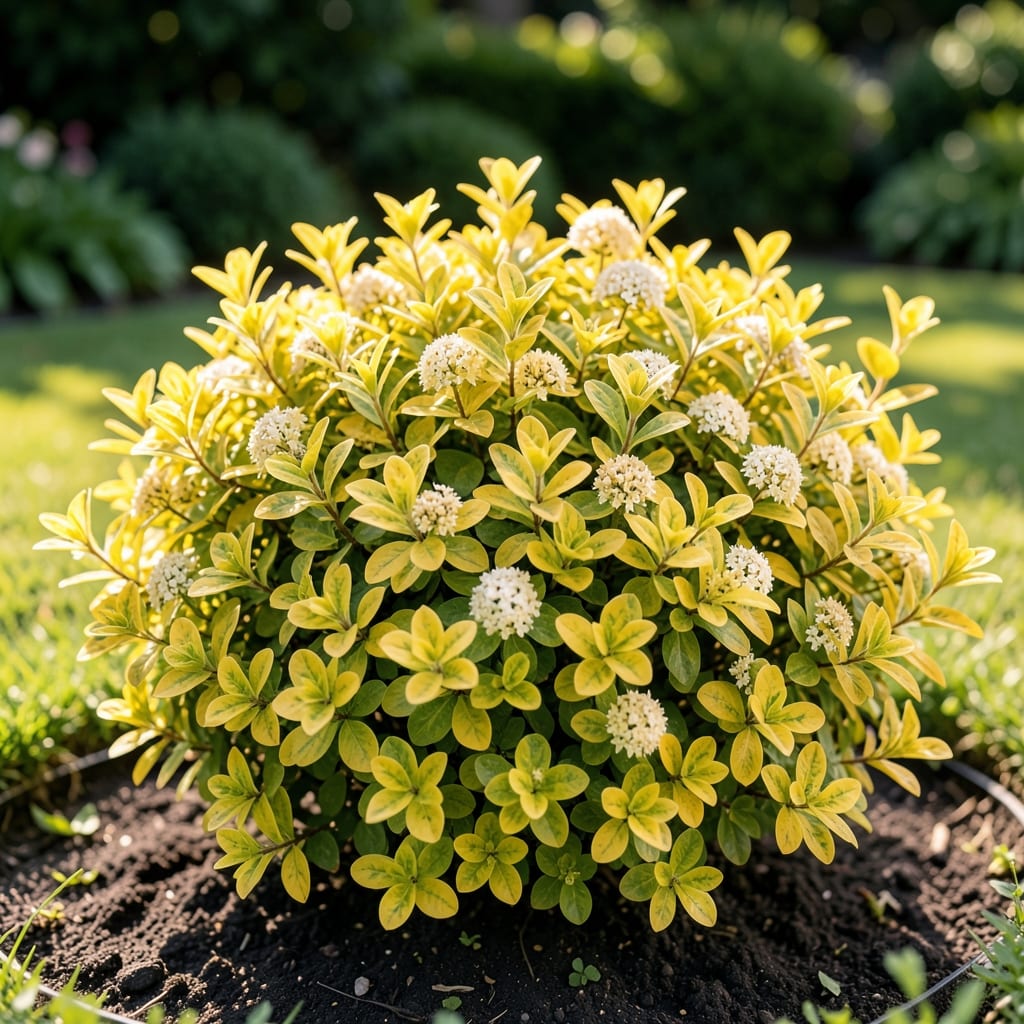
Yellow leaves on a bush often signal nutrient deficiencies, overwatering, or pests. Identify the cause by checking soil moisture, leaf patterns, and plant health before applying organic treatments like compost or neem oil.
I’ve seen yellowing happen most often when plants lack nitrogen or iron, which are critical for chlorophyll production. 🔥 Overwatering can suffocate roots, while pests like aphids sap vital nutrients, leaving foliage discolored. I always start by testing soil moisture levels and examining leaf undersides for signs of infestation before reaching for organic remedies.
💡 In This Article
Chlorophyll breakdown causes yellowing, and nitrogen deficiency is a primary culprit. Plants need nitrogen to produce this green pigment, and without it, older leaves turn yellow first. Iron deficiency also triggers chlorosis, but it typically affects younger leaves. 🔥
Overwatering creates anaerobic conditions, suffocating roots and preventing nutrient uptake. You’ll often see yellowing paired with wilted or mushy stems. Underwatering, conversely, causes dry, crisp edges with yellow patches between veins.
Pests like aphids and spider mites drain plant sap, leading to stippled yellow patterns. Fungal diseases, such as powdery mildew, create yellow spots with white powdery coatings. Environmental stress from temperature swings or poor light can also disrupt chlorophyll production.
Soil pH imbalances lock out essential nutrients. For example, alkaline soil (pH > 7.5) reduces iron availability, while acidic soil (pH < 5.5) limits phosphorus. Testing soil pH with a kit can reveal hidden deficiencies. ✨
Physical damage from herbicides or lawn equipment can cause localized yellowing. Even excessive fertilizer burns roots, creating nutrient uptake issues. Always check for recent chemical applications or mechanical injuries when diagnosing the problem.
Check for wilted, mushy stems and yellowing paired with soggy soil. Dig a 12-inch hole and fill it with water—if it drains slower than 1 inch per hour, drainage is inadequate.
Start with a soil test to pinpoint the issue. For nitrogen, use alfalfa meal or fish emulsion. For iron, work chelated iron into the soil around the drip line. Results often appear within 2-3 weeks.
Yes, pests like aphids and spider mites drain plant sap, creating stippled yellow patterns. Treat with 1 tablespoon neem oil mixed with 1 quart water and 1 teaspoon dish soap, spraying leaf undersides thoroughly.
Alkaline soil (pH > 7.5) reduces iron availability, while acidic soil (pH < 5.5) limits phosphorus. Test soil pH and amend with sulfur or lime as needed.