
Beautiful Plants For Your Interior
Beautiful Plants For Your Interior
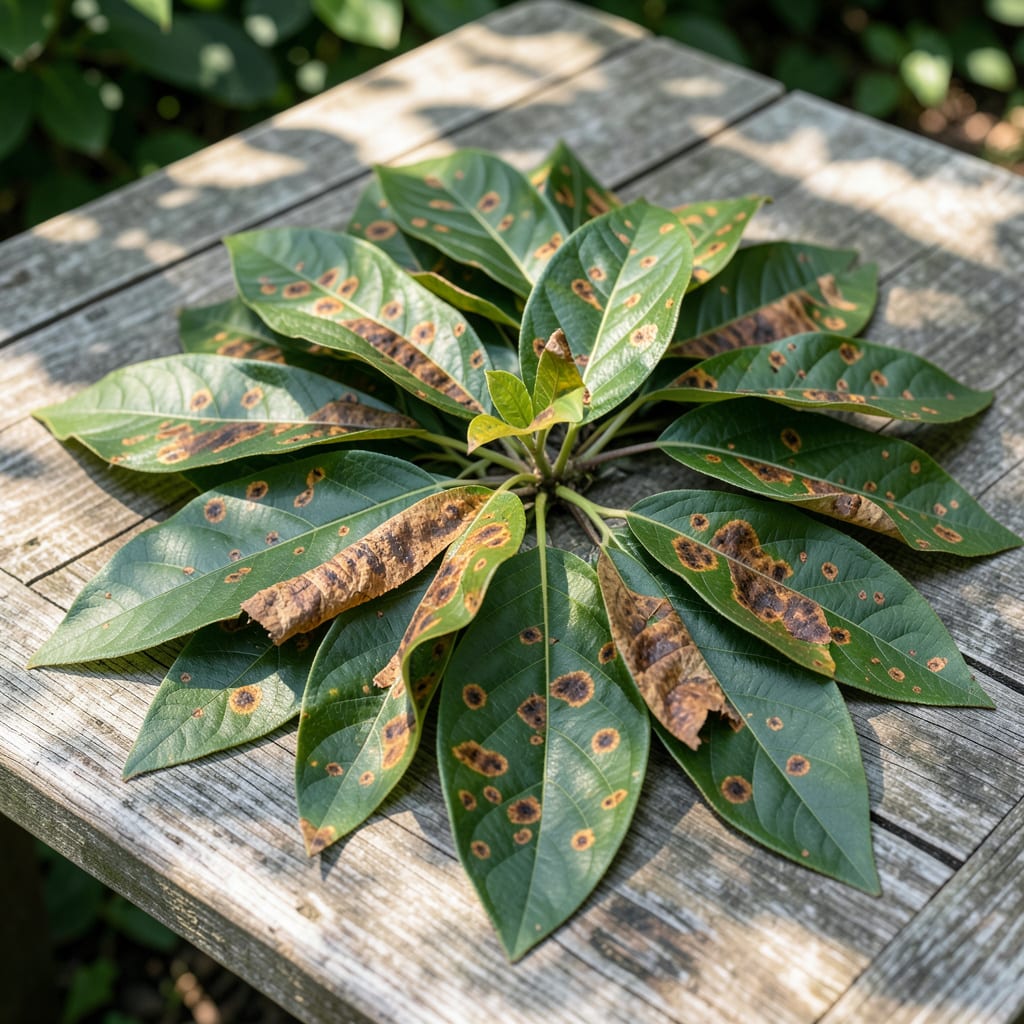
Brown spots on your butterfly bush leaves aren’t just ugly—they’re a warning sign. I’ve seen these dark patches wipe out entire plants if ignored, but the good news is they’re usually fixable with early action.
Most cases come down to fungal infections, pest damage, or simple environmental stress like too much water or not enough air flow. The patterns tell the story: fuzzy spots scream fungus, chewed edges point to bugs.
With the right organic fixes—pruning affected areas, improving drainage, or a neem oil spray—you can stop the spread in days. Prevention is even simpler: space plants properly and water at the base.
Your bush will bounce back with lush, spot-free leaves by next growing season. Here’s exactly how to diagnose and treat it.
Brown spots on butterfly bush (Buddleia) leaves often stem from environmental stress, pathogens, or pests. Here’s a breakdown of the most common causes:
Fungi like Cercospora or Alternaria thrive in wet, humid conditions, leading to circular or irregular brown spots with darker edges. Overhead watering and poor air circulation create ideal conditions for spores to spread. These pathogens often start on lower leaves and move upward if untreated.
Bacteria such as Pseudomonas or Xanthomonas cause water-soaked, brown-black lesions that may ooze in wet weather. Unlike fungal spots, bacterial spots often have a yellow halo. Infection spreads rapidly in warm, rainy climates, especially when foliage stays damp for extended periods.
Sap-sucking insects like spider mites and aphids pierce leaf tissue, causing stippling or brown patches. Their feeding stress weakens the plant, making it more susceptible to secondary infections. Check the undersides of leaves for webbing (mites) or sticky residue (aphid honeydew).
Extreme heat, drought, or nutrient deficiencies (e.g., magnesium or potassium) can trigger leaf scorch, appearing as brown, crispy margins or interveinal spots. Over-fertilization—particularly with high-nitrogen blends—may also burn foliage, mimicking disease symptoms.
Herbicide drift or improper pesticide application can cause sudden browning or spotting. Glyphosate or 2,4-D exposure, even in trace amounts, leads to distorted growth and necrotic patches. Always apply treatments during calm weather to avoid unintended contact.
Tackling brown spots on your butterfly bush starts with pinpointing the cause. Below are targeted, organic solutions for the most common issues, along with tips to keep your plant thriving.
For leaf spot diseases or powdery mildew, start by pruning affected leaves and thinning dense growth to boost airflow. Prevention tip: Water at the base of the plant (not overhead) and space bushes 3–4 feet apart. Apply a baking soda spray (1 tsp baking soda + 1 quart water + a drop of dish soap) weekly until spots fade. For stubborn cases, use neem oil (mix per label instructions) every 7–10 days. 💡 Pro tip: Clean up fallen leaves to stop spores from overwintering.
If aphids, spider mites, or Japanese beetles are the culprits, blast them off with a strong stream of water. Follow up with insecticidal soap or horticultural oil (apply in the evening to avoid harming pollinators). For slugs/snails, set up beer traps or sprinkle diatomaceous earth around the base. Prevention tip: Encourage beneficial insects like ladybugs by planting companion flowers (e.g., marigolds).
For sun scorch or water stress, move potted plants to partial shade during peak heat or mulch the base to retain moisture. If nutrient deficiency is suspected, test soil and amend with compost or a balanced organic fertilizer. Prevention tip: Water deeply but infrequently (1–2 inches per week) to avoid root rot. ✨ Bonus: Avoid high-nitrogen fertilizers, which can promote leafy growth over flowers.
If over-fertilization or herbicide drift caused browning, flush the soil with water to leach out excess salts. Trim damaged foliage and hold off on fertilizing for 4–6 weeks. Prevention tip: Always dilute fertilizers to half-strength for butterfly bushes and apply only to moist soil.
Not always. They can also come from pests, sunburn, or chemical exposure. Check for patterns—irregular spots often mean disease, while uniform browning suggests environmental stress.
Fungal spots usually have defined edges with a ring-like appearance. Bacterial spots are water-soaked, often with yellow halos. A magnifying glass helps spot these differences.
Yes, removing infected leaves improves airflow and stops spread. Use clean shears and dispose of debris far from the plant. Always sanitize tools between cuts.
A baking soda spray or neem oil works well for mild fungal issues. Mix 1 tsp baking soda per quart of water with a drop of soap for best results.
