
Beautiful Plants For Your Interior
Beautiful Plants For Your Interior
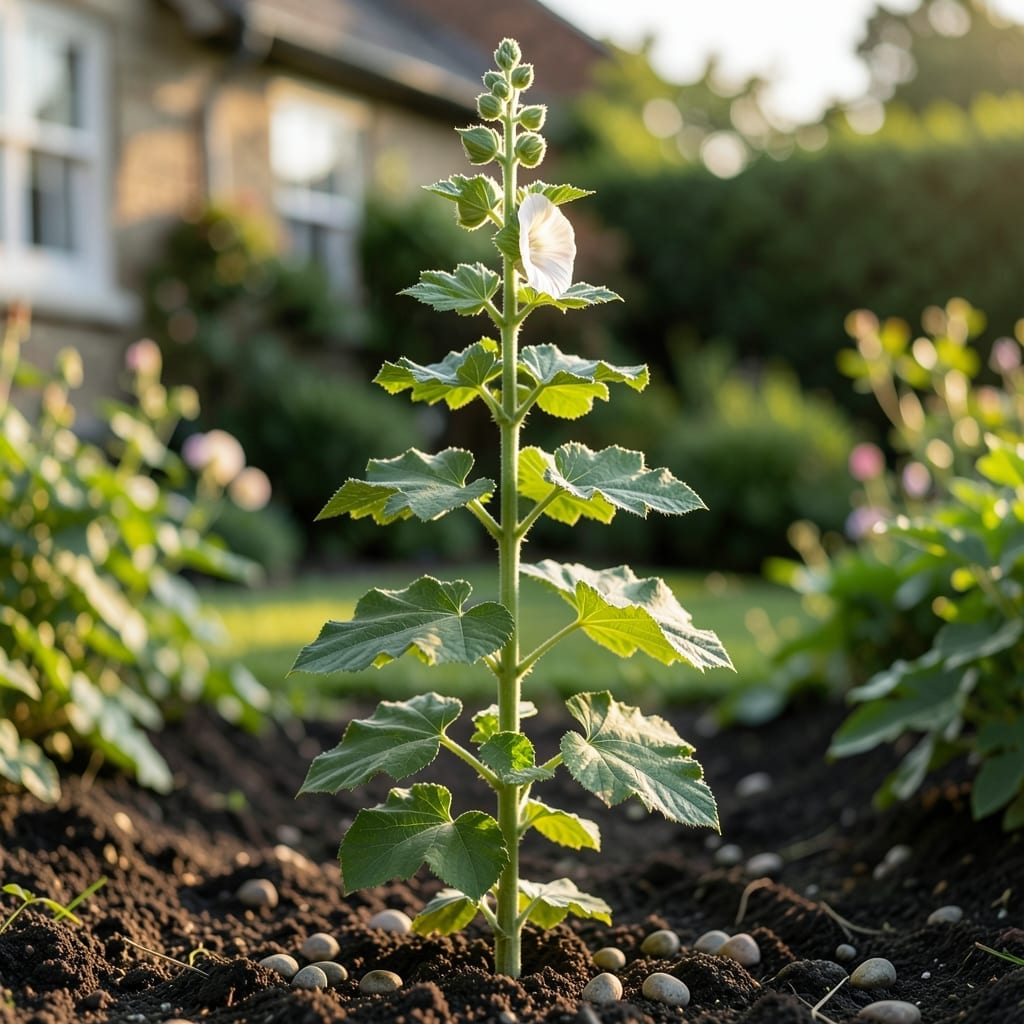
Seeing those yellow hollyhock leaves in your garden is frustrating—I’ve been there, watching healthy plants turn sickly overnight. The culprit is usually one of four things: too much water, not enough nutrients, sneaky pests, or a fungus moving in.
Here’s the thing—hollyhocks are tough, but they’ll protest if their roots sit in soggy soil or their leaves stay wet too long. I learned this the hard way after losing half a row to powdery mildew one humid summer.
Fixing it starts with checking the basics: drainage, sunlight, and airflow. Most issues clear up with a simple adjustment, and your plants will bounce back faster than you’d think.
Prevention is easier than cure. A little extra space between plants and a watchful eye for early signs can save you a season of headaches.
Hollyhocks are stunning garden staples, but when their leaves turn yellow, it’s often a sign of underlying stress. Below are the most common causes, explained with actionable insights.
Yellow leaves, especially on lower foliage, often indicate a nitrogen deficiency. Nitrogen is vital for chlorophyll production, and its absence leads to chlorosis (yellowing). A soil test can confirm this. Action: Apply a balanced, slow-release fertilizer (e.g., 10-10-10) or side-dress with compost to replenish nutrients.
Hollyhocks prefer moist but well-drained soil. Soggy roots from overwatering or poor drainage can suffocate the plant, leading to yellowing leaves and root rot. Action: Check soil moisture 2 inches deep—water only if dry. Improve drainage by amending soil with organic matter or planting in raised beds.
Fungal diseases like rust (Puccinia malvacearum) or leaf spot can cause yellowing, often accompanied by brown or orange spots. These thrive in humid, crowded conditions. Action: Remove infected leaves, improve air circulation, and apply a copper-based fungicide. Avoid overhead watering to keep foliage dry.
Sap-sucking pests like aphids and spider mites drain nutrients from leaves, causing yellowing and stunted growth. Check the undersides of leaves for clusters or webbing. Action: Blast pests off with water or use insecticidal soap. Introduce beneficial insects like ladybugs for natural control.
Extreme heat, drought, or sudden temperature swings can stress hollyhocks, triggering yellowing. Action: Mulch around the base to retain moisture and regulate soil temperature. Provide afternoon shade in scorching climates.
When your hollyhocks start showing yellow leaves, quick action can restore their health. Below are targeted fixes for common causes, plus ways to prevent future issues.
Fix: Test your soil with a kit to confirm deficiencies (often nitrogen or iron). Amend with a balanced fertilizer (10-10-10) or add compost for organic nutrients. For iron, use chelated iron supplements.
Prevention: Feed hollyhocks with compost in early spring and mid-season. 💡 Pro tip: Avoid over-fertilizing—it can burn roots!
Fix: Stop watering immediately and let the soil dry out. If drainage is poor, transplant to a raised bed or amend soil with sand or perlite. Trim soggy, yellow leaves to redirect energy.
Prevention: Water only when the top inch of soil is dry. Ensure pots have drainage holes. 🌡️ Pro tip: Mulch helps retain moisture without waterlogging.
Fix: Inspect leaves for aphids, spider mites, or Japanese beetles. Blast pests off with water or apply neem oil or insecticidal soap. For severe cases, use horticultural oil.
Prevention: Encourage beneficial insects (like ladybugs) with companion plants. Remove debris where pests overwinter. ✨ Pro tip: Early morning sprays are most effective.
Fix: Remove and destroy infected leaves to prevent spread. Apply a copper-based fungicide or baking soda spray (1 tsp baking soda + 1 quart water + dash of soap). Improve air circulation by thinning plants.
Prevention: Space plants 18–24 inches apart. Water at the base to keep leaves dry. 🎯 Pro tip: Rotate crops yearly to disrupt fungal cycles.
Fix: Move potted hollyhocks to shade if leaves are scorched. For heat stress, provide afternoon shade or use shade cloth. Cold-damaged plants may recover if temperatures rise.
Prevention: Plant in a spot with partial shade in hot climates. Mulch to regulate soil temperature. ✨ Pro tip: Hardy varieties like Alcea rugosa tolerate stress better.
Overwatering causes uniformly yellow leaves with mushy stems. Fungal problems show yellowing with brown or orange spots. Check soil moisture 2 inches deep—if soggy, cut back on watering.
Severely yellow leaves won’t recover, but new growth will if you fix the issue. Remove damaged foliage to redirect energy. Focus on prevention to keep future leaves healthy.
Encourage natural predators like ladybugs by planting companion flowers. Inspect leaves weekly for early signs. Use neem oil as a preventive spray every 2-3 weeks.
Only after confirming a deficiency with a soil test. Over-fertilizing can burn roots and worsen stress. Use a balanced 10-10-10 formula and follow package instructions carefully.