
Beautiful Plants For Your Interior
Beautiful Plants For Your Interior
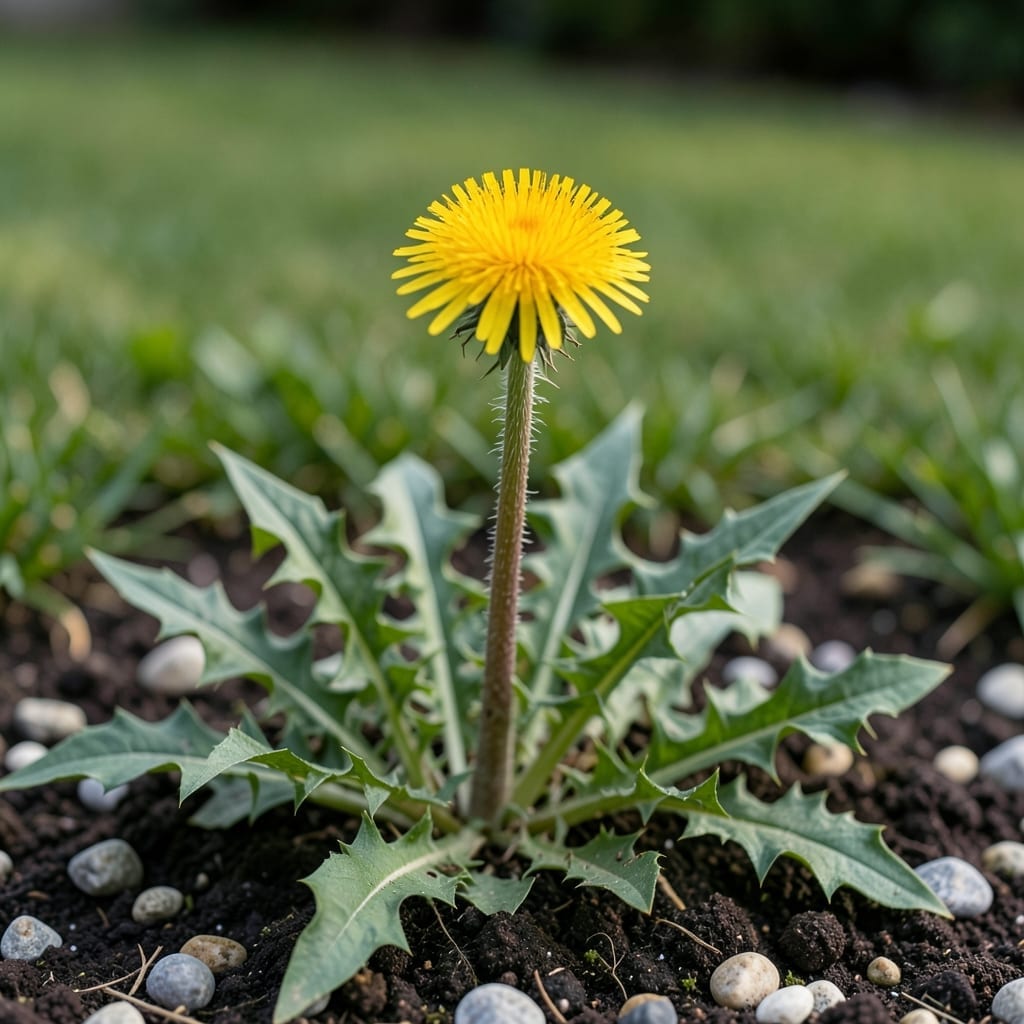
Those bright yellow blooms popping up where they don’t belong are more than just eyesores. I’ve pulled my fair share of these invaders from garden beds, only to watch them return with a vengeance the next week.
The key is knowing which yellow-flowering weed you’re dealing with first. Some spread by seed, others by creeping roots, and a few do both—then they laugh at your efforts. Proper identification saves you from wasting time on the wrong approach.
Organic removal works best when you strike early, before they flower and set seed. A sharp hoe, consistent pulling, and a little persistence will break their cycle. No chemicals needed.
Prevention starts with healthy soil and thick mulch. Starve them of light and space, and they’ll think twice about moving in. Simple, but it takes discipline.
Understanding why yellow flower weeds thrive in your garden starts with recognizing the conditions that favor their growth. These invasive plants often appear due to specific environmental and biological factors. Below are the primary causes, explained scientifically yet practically.
Yellow flower weeds, such as Taraxacum officinale (dandelion) or Hieracium species (hawkweed), often colonize disturbed soil. Tilling, construction, or even foot traffic can disrupt the soil structure, creating open spaces for weed seeds to germinate. These seeds, often dormant in the soil, spring to life when exposed to light and air.
Excess moisture creates an ideal environment for many yellow-flowering weeds. Overwatered lawns or poorly drained garden beds can lead to compacted soil, which prevents grass or desired plants from thriving. Weeds like Crepis capillaris (smooth hawksbeard) capitalize on these weak spots, as they are more tolerant of waterlogged conditions.
Many yellow flower weeds are heliophytes, meaning they thrive in full sunlight. Areas with sparse vegetation or thin turf allow sunlight to penetrate the soil, triggering weed seed germination. For example, Hypochaeris radicata (cat’s ear) often invades lawns where grass is patchy due to shade or poor health.
Soils with low fertility or imbalanced pH levels can weaken desired plants, giving weeds a competitive edge. Yellow flower weeds like Senecio vulgaris (common groundsel) often dominate in nutrient-poor or highly acidic soils, as they are adapted to survive in less-than-ideal conditions.
Bare soil is an open invitation for weed seeds to settle and grow. Without a protective layer of mulch, seeds from yellow flower weeds can easily take root. Organic mulches, such as wood chips or straw, block sunlight and physically prevent weed germination.
Tackling these pesky invaders doesn’t have to be a battle. Here’s how to reclaim your garden with simple, effective methods.
For small patches, hand-pulling works best. Grab the base of the plant and pull firmly to remove the roots. Do this after rain when the soil is soft. Prevention tip: Mow high (3–4 inches) to shade the soil and discourage new growth.
Apply a 2–3 inch layer of organic mulch (wood chips, straw) to smother weeds and block sunlight. Replenish as needed. Prevention tip: Use landscape fabric under mulch for extra protection in high-risk areas.
Mix 1 gallon of white vinegar, 1 cup of salt, and 1 tbsp dish soap. Spray directly on leaves (avoid desired plants). Reapply every 5–7 days until gone. Prevention tip: Spot-check your garden weekly to catch new sprouts early.
If they’ve already bloomed, snip off the flower heads to prevent seed spread. Dispose of them in a sealed bag. Prevention tip: Plant dense ground covers like clover to outcompete weeds naturally.
Pro tip 💡: Always wear gloves to protect your hands, and work in the early morning or late evening to avoid the heat!
Not necessarily. Some may be beneficial plants like marigolds. True weeds spread aggressively and compete with other plants for nutrients and space.
Apply 2-3 inches of mulch and maintain dense planting. This blocks sunlight and reduces germination. Regular weeding also prevents seeding.
No, vinegar is non-selective and will harm any plant it touches. Use it carefully, targeting only the unwanted growth. Always test a small area first.