
Beautiful Plants For Your Interior
Beautiful Plants For Your Interior
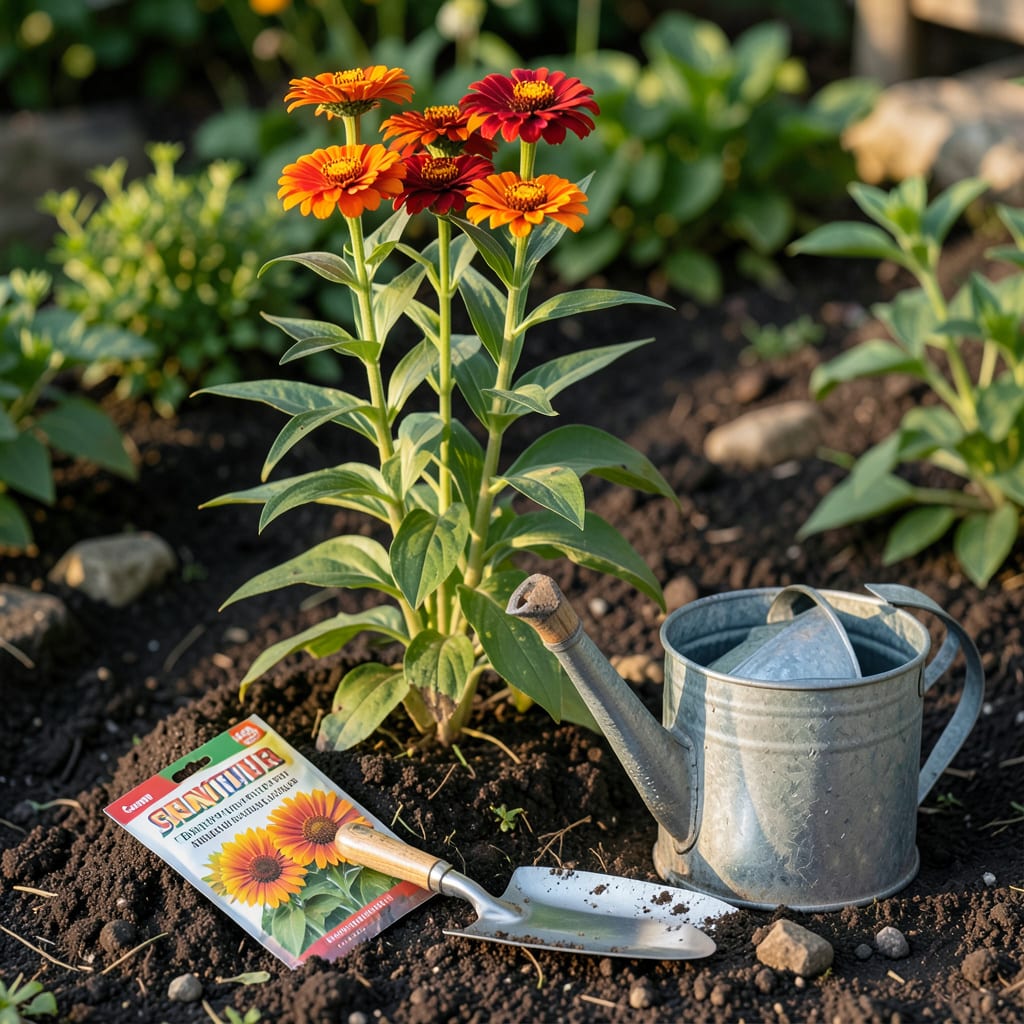
Timing your 🌱 flower seeds wrong in Ohio can mean wasted effort—or worse, no blooms at all. One week too early and frost might wipe out your seedlings; plant too late and you’ll miss summer’s peak color.
After years of testing what works in Zone 5-6, I’ve nailed the perfect schedule. Whether you’re sowing cool-season pansies or heat-loving zinnias, I’ll show you exactly when to start for nonstop color from spring through fall—no guesswork required.
If you’ve ever wondered why your neighbor’s marigolds bloom earlier or their pansies survive winter, it’s all about timing. Ohio’s Zone 5 climate means we’ve got a short but sweet growing window—typically 165 frost-free days between mid-April and mid-October.
I’ve found that soil temperature matters more than calendar dates. For cool-season flowers like snapdragons, aim for 50–60°F soil. Warm-season beauties like zinnias? They need 65°F+ to thrive. Let’s break it down by season.
| Flower Type | Indoor Start | Outdoor Plant | Bloom Time |
|---|---|---|---|
| Pansies | Jan–Feb | March–April | Spring/Fall |
| Marigolds | March–April | May (after frost) | Summer–Fall |
| Zinnias | April | Late May | Mid-Summer–Frost |
| Cosmos | April | May–June | Summer–Fall |
| Sunflowers | Not needed | May–June | Late Summer |
*Adjust dates by 1–2 weeks for northern Ohio (Zone 5a) or southern Ohio (Zone 6b).
For perennials like coneflowers, I always plant in early fall (September). This gives roots time to establish before winter. Biennials (foxglove, hollyhocks) need an early start—sow seeds indoors in June for next year’s blooms.
Here’s my pro tip: Use a soil thermometer—they’re cheap and save guesswork. If you’re planting native Ohio wildflowers like black-eyed Susans, they’re forgiving with timing but thrive when sown in late fall for natural stratification.
Watch Ohio’s late spring rains—they can delay planting by weeks. I keep seeds in peat pots ready to transplant when the soil dries. For succession planting, sow cosmos or zinnias every 2 weeks until July for nonstop color.
Don’t forget microclimates! My south-facing garden bed warms up 2 weeks earlier than the north side. Use this to your advantage by planting heat-lovers like vinca in warmer spots first.
If you’re new to Ohio gardening, start with easy annuals like marigolds or nasturtiums. They germinate quickly and handle our humid summers well. For pollinator gardens, add milkweed in May—it’s the only host plant for monarchs!
Remember: Ohio’s last frost averages May 10 (northern) to April 20 (southern). Always check your local frost dates and adjust accordingly. When in doubt, wait a week—it’s better than losing seeds to a surprise frost.
I’ve had the best luck with pre-sprouted seeds for tricky varieties like lupines. Just place them on a damp paper towel in a baggie until roots appear, then transplant. This method boosts germination rates in our clay-heavy soils.
🌻Ohio gardeners have a secret weapon for all-season color: choosing the right flowers for each planting window. I’ve tested dozens of varieties and found that native Ohio plants like purple coneflowers and butterfly weed thrive with minimal effort. Let’s explore the best bloomers for our Zone 5 climate.
The key to nonstop color is staggered planting. Start with cold-hardy annuals like snapdragons in early spring, then transition to heat-loving zinnias by summer. Don’t forget fall-blooming asters to extend your season. Here are my top performers:
Pro Tip: Pair these with native grasses like little bluestem for a low-maintenance, drought-tolerant display.
For pollinator gardens, I always include milkweed (Asclepias)—the sole host plant for monarchs. Plant seeds in May after soil warms to 70°F. It takes 2–3 years to establish but rewards you with fragrant orange blooms and constant butterfly activity.
Ohio’s humid summers call for disease-resistant varieties. My go-tos: rudbeckia ‘Goldsturm’ (black-eyed Susan) and echinacea ‘Magnus’. Both handle our clay soil and require zero staking. For shady spots, impatiens are classic, but I prefer native foamflower (Tiarella) for its evergreen foliage.
Want cut flowers all season? Try this combo: sweet peas (sow in October or March), dahlias (plant tubers in late May), and celosia (direct sow in June). This gives you textures and colors from June through October.
For container gardens, I love ‘Superbells’ calibrachoa—it cascades beautifully and thrives in Ohio’s summer heat. Pair it with spiky dracaena for height and sweet potato vine for trailing interest. Use well-draining potting mix and fertilize every 2 weeks with a balanced 10-10-10.
Don’t overlook biennials like foxglove and hollyhocks. While they don’t bloom the first year, their dramatic spikes are worth the wait. Sow seeds in June–July for next year’s show. I tuck them behind early-blooming tulips so the garden stays full while waiting for their second-year magic.
🌷Even experienced gardeners make costly timing errors with flower seeds in Ohio. I’ve seen entire seed trays lost to late frosts and summer blooms ruined by planting too deep. Let’s fix these before they happen in your garden.
The #1 mistake I see? Ignoring soil temperature. Ohio’s air might hit 60°F in April, but if the soil’s still below 50°F, seeds like zinnias will rot. Always use a soil thermometer—it’s my most-reached-for tool each spring.
Quick Fix: If you’ve already planted too early, cover seedlings with frost cloth or upside-down milk jugs at night.
Another common error is planting at wrong depths. Tiny seeds like petunias need light to germinate—just press them into the soil surface. Larger seeds like sunflowers should go 1/2″ deep. I use the “twice as deep as wide” rule for most seeds.
Ohio’s unpredictable springs often bring late frosts after warm spells. I’ve lost entire flats of impatiens this way. Now I wait until soil reaches 60°F for tender annuals, no matter how nice the weather looks. For perennials, fall planting is safer—roots establish while tops stay dormant.
Many gardeners forget about succession planting. For continuous blooms, I sow new cosmos seeds every 2 weeks until July. Same with sweet alyssum—it peters out in heat, but fresh plants keep the pollinators coming. Mark your calendar with reminders!
Finally, don’t neglect seedling care. Once sprouted, flowers need consistent moisture but hate wet feet. I water my trays from below by setting them in 1″ of water for 10 minutes, then letting them drain. This prevents damping off, a fungal disease that kills young seedlings overnight.
🌱For most annuals, begin 6-8 weeks before Ohio’s last frost (around mid-May). This means starting seeds like marigolds and zinnias in late March to early April. Use grow lights for 14-16 hours/day to prevent leggy seedlings.
Only cold-hardy varieties like pansies or snapdragons can handle early spring planting. For tender annuals, wait until soil reaches 60°F (typically late May). Always check the 10-day forecast for surprise late frosts.
Northern Ohio (Zone 5a) runs about 1-2 weeks behind southern Ohio (Zone 6b). If you’re near Lake Erie, delay outdoor planting by 7-10 days. Southern gardeners can often plant 1 week earlier than central Ohio dates.
Keep seedlings in peat pots ready for quick transplanting when warm spells arrive. Use row covers or cloches for early plantings. I always have frost cloth on hand for those 30°F nights in April.
Perennials like coneflowers and black-eyed Susans thrive when planted in September. Biennials (foxglove, hollyhocks) also prefer fall sowing. The cooler temps help roots establish before winter.
