
Beautiful Plants For Your Interior
Beautiful Plants For Your Interior
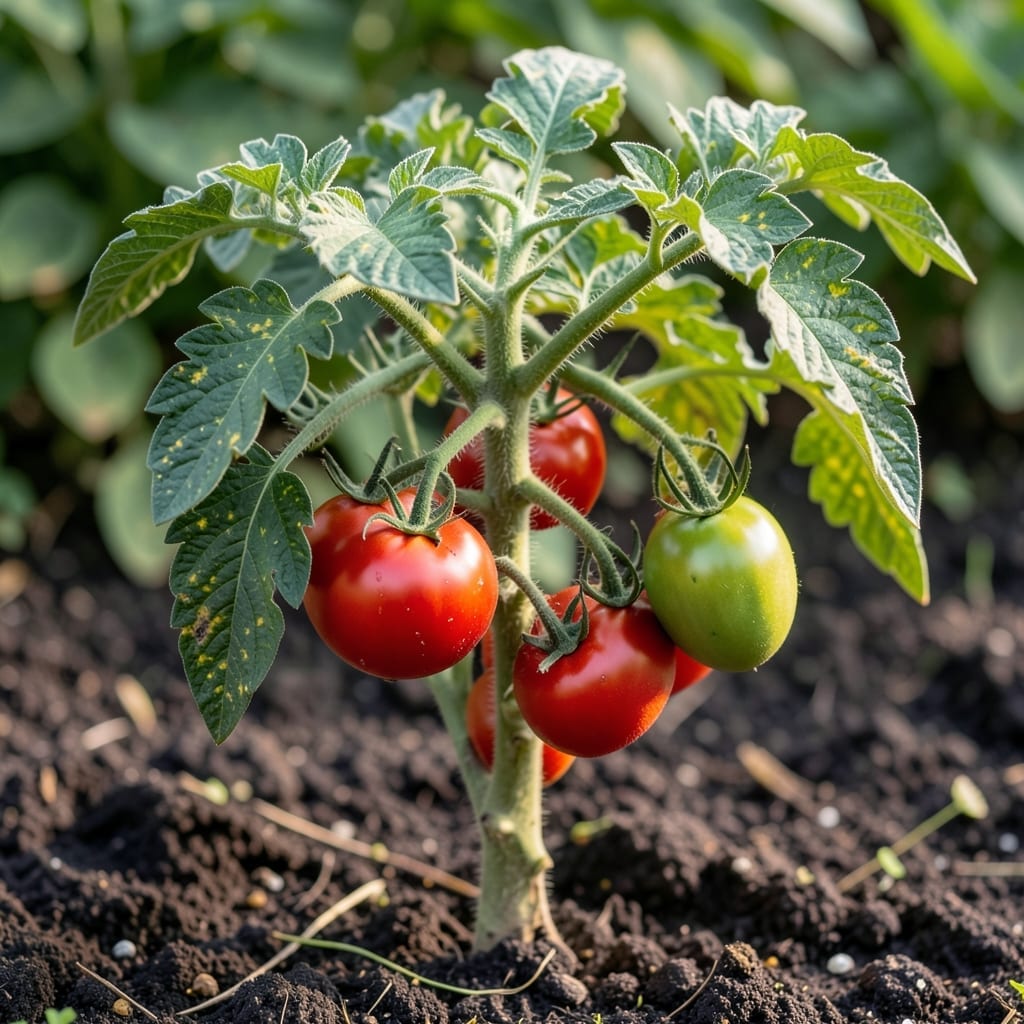
Yellow blotches on tomatoes often signal fungal infections like early blight, nutrient deficiencies such as magnesium or potassium, or environmental stress from inconsistent watering or excessive heat.
I’ve seen these issues firsthand in my garden, and they often stem from poor soil balance or sudden weather shifts. 🔥 Fungal problems usually appear as irregular spots with dark edges, while nutrient shortages create more uniform yellowing between leaf veins. The key is catching these early and addressing the root cause rather than just treating symptoms.
💡 In This Article
Fungal infections like early blight create concentric rings on lower leaves first. The pathogen Alternaria solani thrives in 70-80°F with high humidity, spreading spores via water droplets. These spots often start as tiny dark lesions that expand into yellow halos, particularly on older foliage. 🔥
Magnesium deficiency shows as interveinal chlorosis—yellow patches between green veins—on older leaves. This happens because magnesium is mobile in the plant, moving to new growth first. A soil test revealing <50 ppm magnesium confirms the issue, often fixed with Epsom salt at 1 tablespoon per gallon of water. ✨
Heat stress causes sun scald on fruits, appearing as white-yellow blotches on sides facing direct sunlight. When temperatures exceed 90°F for prolonged periods, the plant’s photosynthesis slows while transpiration increases, leading to water stress. These blotches feel papery and dry to the touch. 🌟
Water inconsistency creates uneven moisture distribution in the plant. Overwatering suffocates roots, reducing nutrient uptake, while drought stress causes leaves to yellow and curl. Check soil 2 inches deep—it should be moist but not soggy. Proper mulching with 2-3 inches of organic matter helps maintain consistent moisture levels. ⚡
Bacterial leaf spot, caused by Xanthomonas spp., creates small water-soaked spots that turn yellow with dark centers. These appear on both leaves and fruit, often with a greasy appearance. Unlike fungal issues, bacterial spots don’t have distinct rings and spread rapidly in wet conditions. 💫
Fungal spots usually have dark edges or concentric rings, while nutritional deficiencies create uniform yellowing between leaf veins. Check the pattern and location carefully.
Mix 1 tablespoon of Epsom salts in 1 gallon of water and spray directly on leaves. Results appear within 3-5 days as green color returns.
Overwatering suffocates roots, preventing nutrient uptake. Check soil 2 inches deep—it should feel moist but never soggy.
Fungal and bacterial issues can spread through water droplets or garden tools. Always remove affected foliage immediately and avoid overhead watering.
Yes! Try disease-resistant varieties like ‘Mountain Merit’ or ‘Defiant PhR’. These tolerate common issues better than heirloom types.