
Beautiful Plants For Your Interior
Beautiful Plants For Your Interior
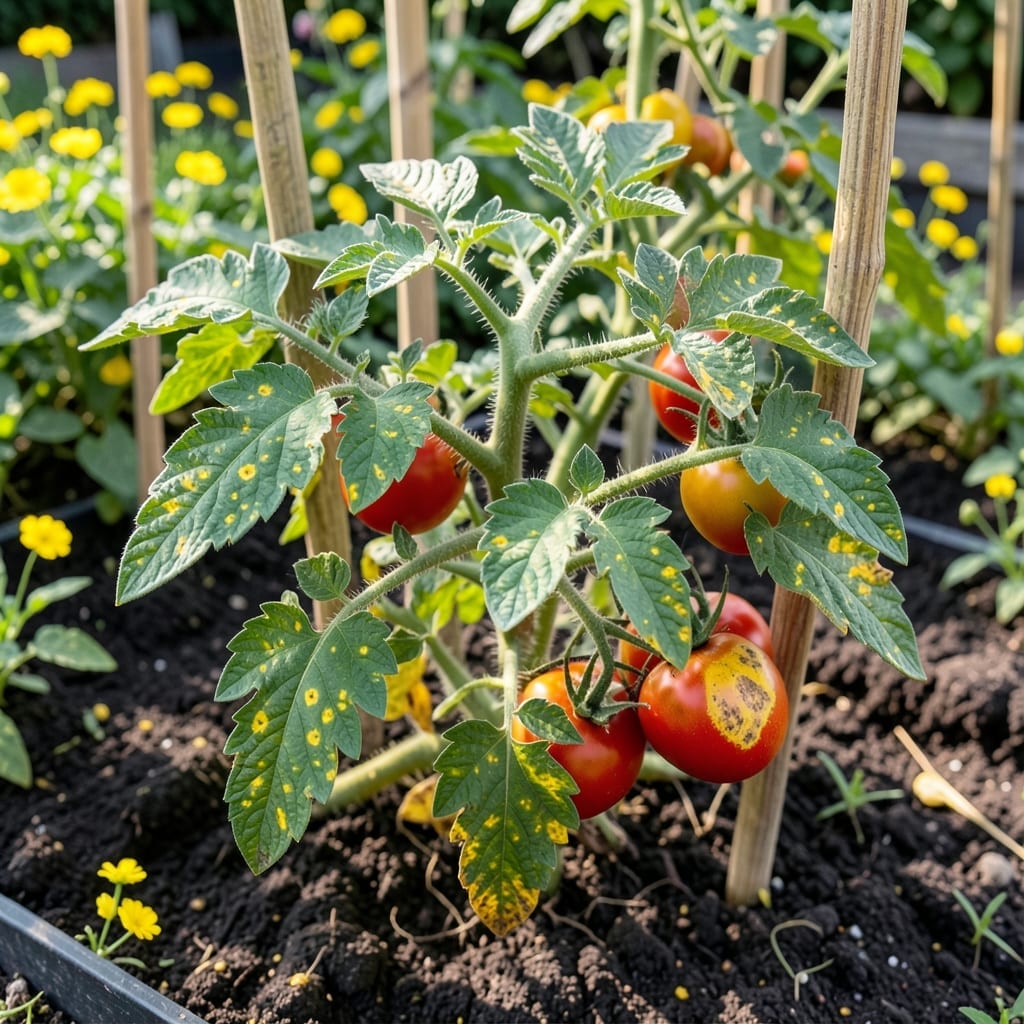
Yellow spots on your tomatoes aren’t just unsightly—they’re a warning sign. I’ve seen my share of tomato troubles, and those yellow patches always mean something’s off with your plant’s health or environment.
It might be early blight creeping in, or maybe your soil’s missing key nutrients. Sometimes it’s pests leaving their mark. The good news? Most causes are fixable with organic solutions you probably already have.
I’ve saved countless plants by catching these spots early and adjusting my care routine. The key is identifying the pattern—whether it’s random speckles or concentrated patches—and acting fast.
With the right approach, your tomatoes can bounce back and still produce a solid harvest. Let’s figure out what’s really going on with your plants.
Yellow spots on tomatoes can stem from several underlying issues, each with distinct triggers. Here’s a breakdown of the most common causes:
Fungi like Alternaria or Septoria thrive in warm, humid conditions, attacking leaves and fruit. These pathogens disrupt chlorophyll production, leading to yellow or brown spots. Action: Improve airflow, avoid overhead watering, and apply copper-based fungicides preventatively.
Sap-sucking pests such as aphids, whiteflies, or spider mites pierce plant tissues, causing stress and nutrient deficits. Their feeding often leaves behind yellow stippling or spots. Action: Introduce beneficial insects (e.g., ladybugs) or use neem oil sprays to deter infestations.
Lack of essential nutrients—particularly magnesium (interveinal chlorosis) or potassium (yellowing edges)—can manifest as spots. Poor soil pH may also lock out nutrients. Action: Test soil and amend with compost or targeted fertilizers (e.g., Epsom salt for magnesium).
Excessive heat, sunscald, or waterlogged roots can trigger localized yellowing. Sunscald appears as blistered, yellow-white patches on fruit exposed to intense sunlight. Action: Provide shade cloth during peak heat and ensure consistent moisture without waterlogging.
Viruses like Tomato Yellow Leaf Curl or Mosaic Virus disrupt cellular function, causing mottled yellow spots. These spread via infected tools or pests (e.g., whiteflies). Action: Remove and destroy infected plants; use virus-resistant varieties and sterilize tools.
Identifying the root cause is key to targeted treatment. Observe patterns—are spots on leaves, fruit, or both?—and check for accompanying symptoms like wilting or pest sightings.
When yellow spots appear on your tomatoes, quick and targeted action can save your crop. Below are practical solutions for each common cause, paired with prevention tips to keep your plants thriving. 🌱
If early blight or septoria leaf spot is the culprit, prune affected leaves immediately and dispose of them in sealed bags (not compost). Apply a copper-based fungicide or a DIY mix of 1 tsp baking soda + 1 quart water + a few drops of dish soap every 7–10 days. Prevent it: Space plants for airflow, water at the base (avoid wetting leaves), and rotate crops yearly. 💡
For aphids, whiteflies, or spider mites, blast them off with water or spray with neem oil or insecticidal soap. Introduce beneficial insects like ladybugs. Prevent it: Inspect plants weekly and use row covers early in the season. ✨
If heat, drought, or nutrient deficiencies are to blame:
Viral infections (e.g., mosaic virus) have no cure—pull and destroy infected plants to prevent spread. Disinfect tools with rubbing alcohol. Prevent it: Control aphids (vectors for viruses) and plant resistant varieties like ‘Mountain Merit’. 🎯
Spots caused by environmental stress or nutrient issues are safe to eat. However, if caused by fungal or viral infections, it’s best to avoid consuming affected fruit. Always wash thoroughly regardless.
Fungal spots often have a circular pattern with defined edges. Pest damage appears as tiny specks or stippling, sometimes with visible insects. Check leaf undersides for pests.
Fungal and viral causes can spread, especially in crowded gardens. Isolate affected plants immediately and avoid touching others with contaminated tools or hands.