
Beautiful Plants For Your Interior
Beautiful Plants For Your Interior
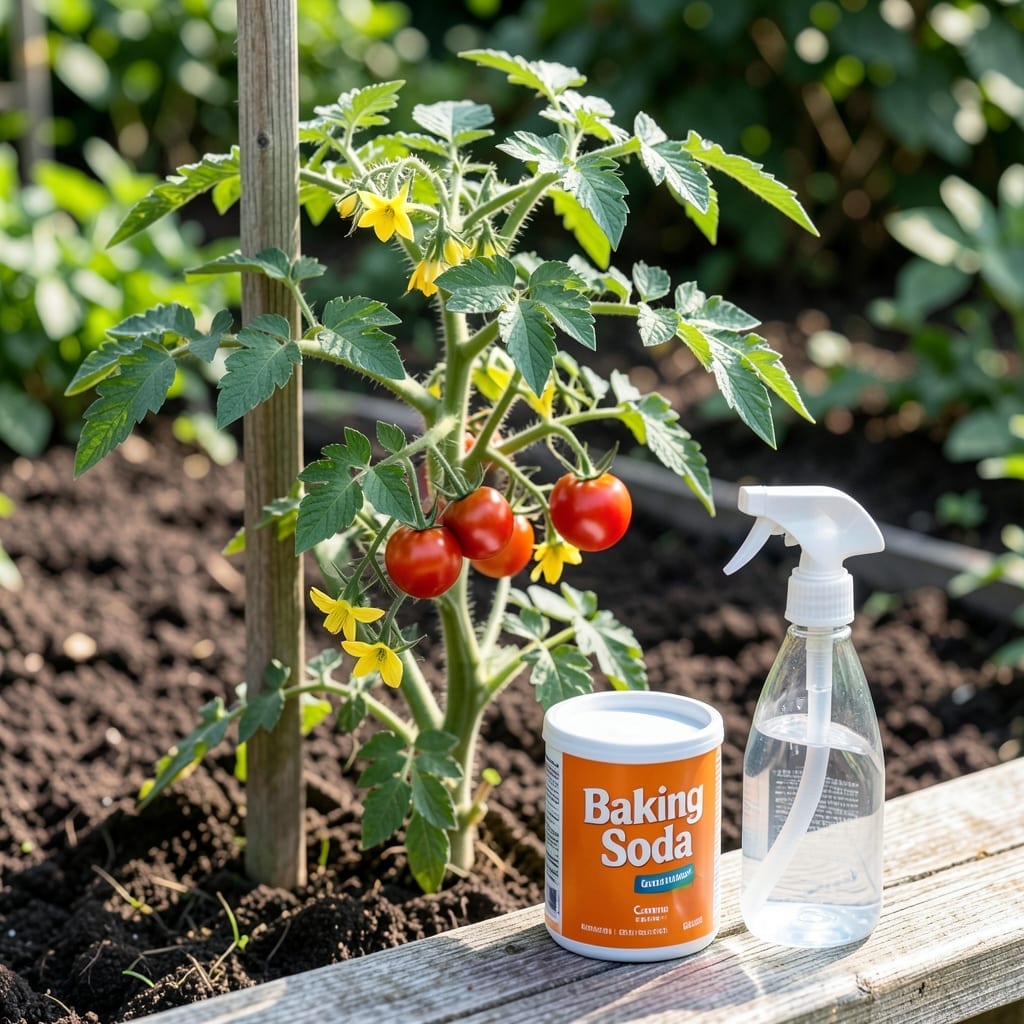
Tomato blight hits fast and hard, turning healthy plants into sad, spotted messes. I’ve lost entire crops to this before learning that a simple household item can stop it in its tracks.
This natural approach keeps plants healthy without harsh chemicals. The key is catching it early and applying the treatment consistently—your tomatoes can bounce back stronger than you’d expect.
Short list. Saves your tomatoes. Probably already in your kitchen.
| Ingredient | Amount | Notes |
|---|---|---|
| Baking Soda 🌱 | 1 tbsp | Food-grade pure |
| Water 💧 | 1 gallon | Room temperature |
| Liquid Soap 🧼 | 1 tsp | Mild unscented |
| Spray Bottle 💦 | 1 piece | Clean 1-quart size |
| Pruning Shears ✂️ | 1 piece | Sanitized between cuts |
| Garden Gloves 🧤 | 1 piece | Waterproof recommended |
| Tomato Plants 🍅 | 1 plant | Early treatment best |
[recipe_ingredient_scaler]
The baking soda is the star here—food-grade only (the good stuff, not the scented box). I grab mine from Costco in bulk. The spray bottle needs to hold at least a quart; Home Depot has sturdy ones for $5. Use room-temperature water to avoid shocking the plants.
No liquid soap? Dish soap works in a pinch (just avoid the degreasing kind). If you’re out of baking soda, potassium bicarbonate is the closest swap. Pruning shears must be sanitized between cuts—rubbing alcohol does the job. Skip the gloves if you’re okay with wet hands.
Store leftover mix in the spray bottle for up to a week—shake before each use. Keep shears and gloves dry to prevent rust. I label my spray bottle so no one drinks it (trust me on this one).
This natural method stops fungal spread fast and keeps your plants productive all season long.
In the 1 piece Spray Bottle, combine 1 tbsp Baking Soda with 1 gallon Water at room temperature. The baking soda alters the pH on leaf surfaces, making it harder for fungal spores to take hold. Stir gently until the baking soda fully dissolves—don’t shake yet, as that creates excessive bubbles.
Add 1 tsp Liquid Soap to the mix. This helps the solution cling to leaf surfaces instead of rolling off. I use mild unscented soap to avoid burning the foliage. Gently swirl the bottle to combine without creating suds.
Put on the 1 piece Garden Gloves to protect your hands from fungal spores. Inspect the 1 plant Tomato Plants carefully, looking for dark brown or black spots on leaves, often with yellow halos. These are classic blight symptoms.
Use the 1 piece Pruning Shears to remove all infected leaves and stems, cutting at least 2 inches below the visible damage. Sanitize the shears with rubbing alcohol between cuts to prevent spreading the fungus. Discard the infected material in the trash—do not compost it, as the spores can survive and reinfect next season.
Shake the spray bottle gently to mix the contents, then test the nozzle by spraying a little onto a non-plant surface. You want a fine mist, not a heavy stream. Start at the top of the tomato plant and work your way down, ensuring you cover all leaf surfaces, including the undersides where spores often hide.
Spray until the leaves are evenly coated but not dripping. Focus on areas where you removed infected foliage, as these are the most vulnerable. Apply the spray in the early morning or late afternoon to avoid the hottest part of the day, which can cause leaf burn.
Reapply the baking soda spray every 7-10 days or after rain, as water can wash away the protective coating. Consistency is key—this isn’t a one-time fix but an ongoing prevention method. Watch for new growth to appear healthy and free of spots, which is your sign the treatment is working.
If you notice new blight symptoms between applications, remove the affected foliage immediately and reapply the spray the same day. I’ve found that early intervention with this method saves plants that would otherwise be lost to severe fungal damage.
While treating tomato blight with baking soda, why not unwind with a refreshing beer? A crisp Pilsner like Stella Artois offers light, citrusy notes that complement the earthy aroma of your garden. For a bolder choice, try an Amber Ale such as Fat Tire, with its caramel and toasted malt flavors balancing the day’s work.
A glass of Sauvignon Blanc, like Kim Crawford, brings zesty lime and herbal undertones that feel refreshing after tending to your tomatoes. If you prefer reds, a light Pinot Noir such as Meiomi offers red fruit notes that pair well with the satisfaction of natural gardening solutions.
For a non-alcoholic treat, try a sparkling ginger beer like Fever-Tree—its spicy kick and effervescence are invigorating. Alternatively, a hibiscus iced tea offers floral notes that harmonize with the fresh scents of your garden. Both options keep the mood light and refreshing! 🌿