
Beautiful Plants For Your Interior
Beautiful Plants For Your Interior
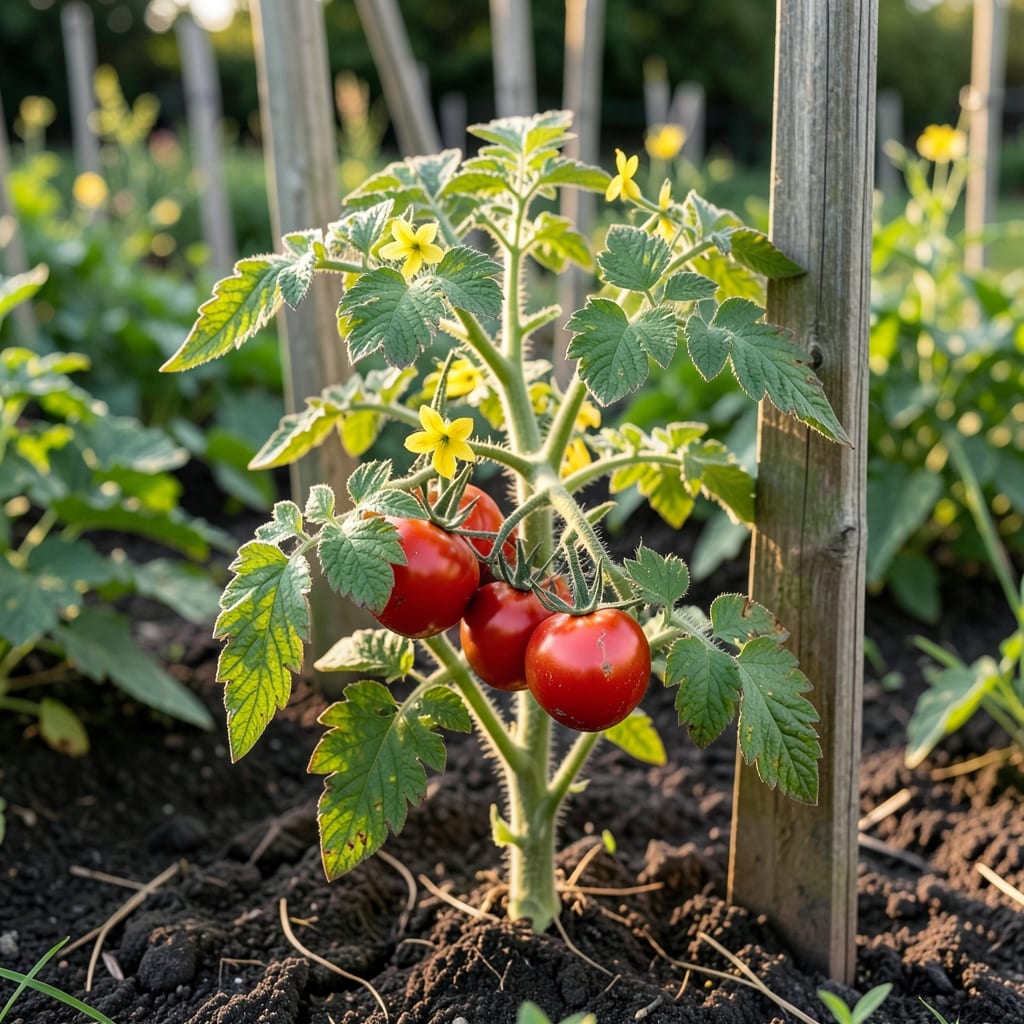
Those brown leaf tips on your tomato plants aren’t just unsightly—they’re a cry for help. I’ve lost count of how many plants I’ve saved by catching this early.
Most often, it’s inconsistent watering or a nutrient imbalance. Check your soil first—dry and crusty means underwatering, while soggy signals overwatering. Both stress plants in different ways.
Organic fixes work fast: adjust your watering schedule, add compost, or try a foliar spray. You’ll see improvement within 7-10 days of addressing the root cause.
Prevention is simpler than treatment. Keep an eye on your plants daily, and you’ll catch issues before they spread.
Brown leaf tips on tomato plants often signal underlying issues that disrupt their health. Here are the most common causes, explained clearly and actionably:
Tomatoes thrive on steady moisture. Overwatering or underwatering stresses the plant, leading to tip burn. Soggy soil suffocates roots, while dry spells force the plant to pull water from leaf edges first. Use a moisture meter to maintain 1–2 inches of water per week, adjusting for heat or rain.
Extreme heat (above 90°F/32°C) or cold snaps (below 50°F/10°C) disrupt nutrient uptake. Heat scorch causes tip necrosis, while cold slows water transport. Shield plants with shade cloth in summer or row covers in spring/fall.
Excess salts from synthetic fertilizers or hard water build up in soil, drawing moisture out of roots. This creates a reverse osmosis effect, dehydrating leaf tips. Flush soil with water to leach salts, or switch to compost-based organic fertilizers.
Deficiencies in calcium, magnesium, or potassium often manifest as brown tips. For example, calcium deficiency (blossom end rot’s cousin) causes necrotic edges. Test soil and amend with crushed eggshells (calcium) or wood ash (potassium).
Sap-sucking pests like aphids or whiteflies weaken plants, while fungal diseases (e.g., early blight) cause tip dieback. Inspect leaves for sticky residue (aphids) or dark spots (fungus). Treat with neem oil or copper fungicide.
Addressing these triggers early restores vibrant growth—without harsh chemicals!
Here’s how to tackle each underlying cause and restore your tomato plants to vibrant health.
Check the soil moisture 1–2 inches deep. If it’s bone dry, your plant is thirsty. If it’s soggy, it’s drowning. Water deeply 1–2 times per week (more in extreme heat) and ensure pots have drainage holes. Use a moisture meter for precision. Prevention tip: Mulch with straw to retain even moisture.
If leaf tips scorch from heat, add shade cloth during peak afternoon sun. For cold stress, use row covers or move potted plants indoors overnight. Keep tomatoes in a spot with consistent temps (70–85°F daytime). Prevention tip: Plant heat-tolerant varieties like ‘Solar Fire’ in hot climates.
Over-fertilizing or hard water can cause salt buildup. Flush the soil by running water through the pot or garden bed for 5–10 minutes to leach excess salts. Switch to a balanced organic fertilizer and avoid synthetic products. Prevention tip: Test soil annually and amend with compost.
Yellowing tips with brown edges often signal a potassium or magnesium deficiency. Use a potassium-rich amendment like greensand or wood ash. For magnesium, dissolve 1 tablespoon of Epsom salts in a gallon of water and spray leaves. Prevention tip: Rotate crops and enrich soil with compost before planting.
Inspect leaves for pests like aphids or signs of fungal disease. Prune affected leaves and treat with neem oil or insecticidal soap. Improve airflow by spacing plants 18–24 inches apart. Prevention tip: Water at the base to keep foliage dry and reduce disease risk.
Check the soil 1-2 inches deep. Dry, crusty soil means underwatering, while soggy soil indicates overwatering. Adjust your watering schedule based on these findings.
Yes! Excess salts from synthetic fertilizers draw moisture out of roots, leading to brown tips. Flush the soil with water to remove buildup and switch to organic options.
Removing affected tips won’t harm your plant and can redirect energy to healthy growth. Use clean scissors and cut just the damaged portion to avoid stressing the plant further.
With proper care, you’ll typically see improvement within 7-10 days. Consistency in watering and addressing nutrient imbalances will speed up recovery.