
Beautiful Plants For Your Interior
Beautiful Plants For Your Interior
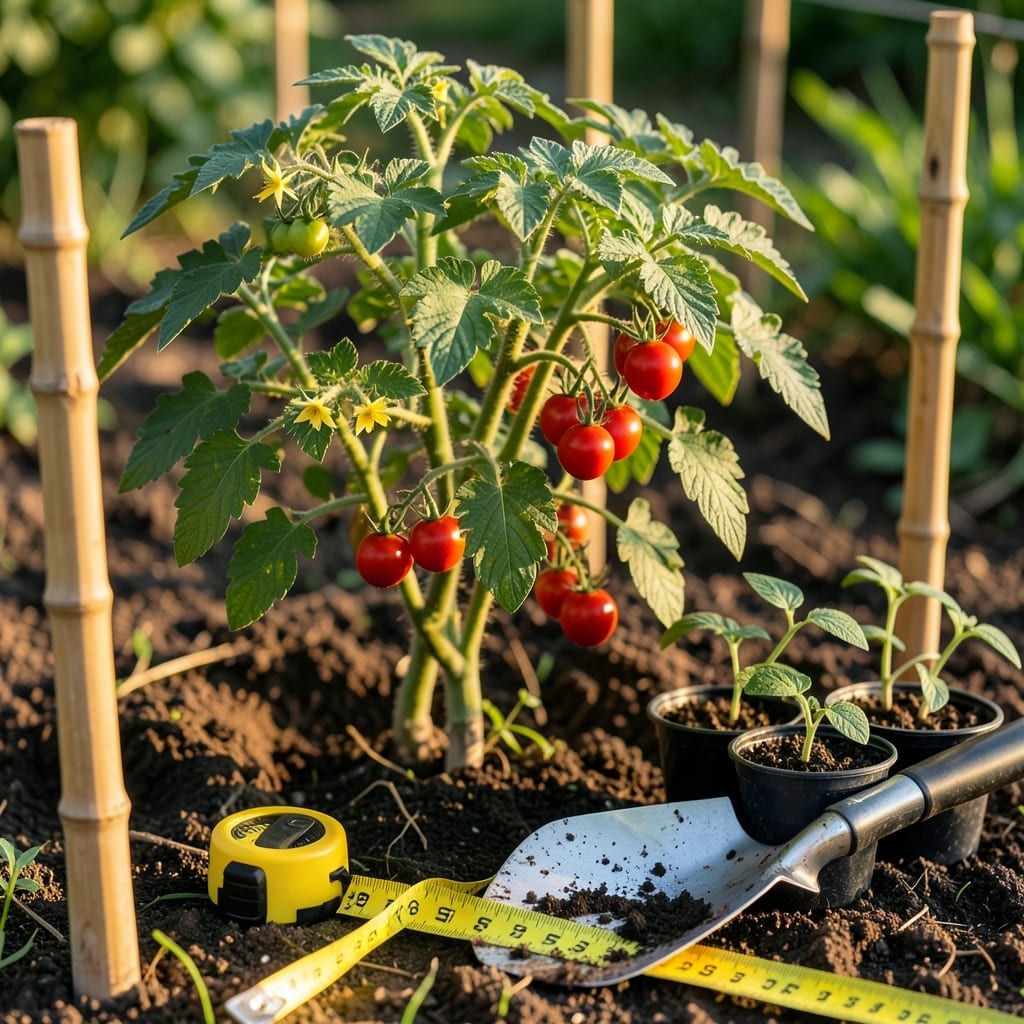
Proper spacing for your 🍅 Cherry Tomato plants can make or break your harvest. Get it right, and you’ll enjoy healthy vines bursting with fruit all season long.
Too close together, and you risk disease, poor airflow, and a jungle of tangled stems. Too far apart, and you waste valuable garden space that could be producing more.
I’ve seen firsthand how the right distance between plants transforms a struggling patch into a thriving one. It’s not just about the numbers—it’s about giving each plant room to flourish.
Discover the simple but most important spacing rules that will set your Cherry Tomatoes up for success from the very first planting.
I’ve found that proper plant spacing is the backbone of a healthy cherry tomato crop. Whether you’re planting in the ground, raised beds, or containers, the right distance ensures good airflow and disease prevention. It also maximizes sunlight exposure for each plant.
For in-ground planting, I recommend spacing cherry tomato plants about 18 to 24 inches apart with rows 3 feet apart. This gives the root systems enough room to spread while allowing easy access for maintenance.
| Method | Plant-to-Plant | Row Spacing |
|---|---|---|
| In-Ground | 18-24 inches | 3 feet |
| Raised Beds | 12-18 inches | 2 feet |
| Containers | 1 plant/5 gal | N/A |
In raised beds, you can plant a bit closer—about 12 to 18 inches apart with 2 feet between rows. The improved soil drainage and nutrient availability in raised beds allow for slightly tighter spacing without sacrificing plant health.
For container gardening, I stick to one cherry tomato plant per 5-gallon pot. This ensures the roots have enough space to grow and access water and nutrients without competition. Smaller pots will stunt growth and reduce your harvest.
Determinate varieties like ‘Tiny Tim’ can handle closer spacing, around 12 inches apart, since they grow more compactly. But indeterminate varieties like ‘Sweet 100’ need more room—24 inches apart—because they grow taller and spread wider.
I always consider staking or caging my plants. If you’re using tomato cages, space plants 24 inches apart to accommodate the cages. For stakes or trellises, you can go slightly closer, around 18 inches, since the vines will grow upward rather than outward.
Air circulation is critical for preventing fungal diseases like early blight. Proper spacing allows breezes to flow through the plants, keeping foliage dry and reducing the risk of infection. Crowded plants trap moisture and create a perfect environment for disease.
If you’re planting in blocks rather than rows, maintain the same plant-to-plant distance but ensure you can still access the center for watering and harvesting. I’ve found that square foot gardening works well with cherry tomatoes, placing one plant per square foot in a grid.
Finally, remember that soil quality and watering practices also impact how well your plants grow at any spacing. Rich, well-draining soil and consistent moisture levels will help your cherry tomatoes thrive, no matter the method you choose. 🌱
I see gardeners make the same spacing errors with cherry tomatoes every season. The most common is overcrowding plants, which leads to poor air circulation and disease. Another frequent mistake is ignoring row spacing, making maintenance difficult. 🌱
Many underestimate how much cherry tomatoes spread. These vigorous plants need room to branch out. When planted too close, they compete for sunlight and nutrients, resulting in smaller yields. Even experienced gardeners sometimes misjudge container spacing for patio tomatoes.
⚠️ Spacing Warning
Planting too close causes fungal diseases and reduced fruit size. Always follow variety-specific guidelines for best results.
To fix overcrowded beds, I recommend thinning seedlings early. For raised beds, stick to 2 plants per square foot maximum. In containers, ensure each plant has at least 5-gallon capacity and proper drainage. These adjustments prevent most spacing issues. 🌿
Poor row alignment is another overlooked problem. Rows should run north-south for even sun exposure. I always leave 3 feet between rows to allow for easy access and airflow. This simple step makes a noticeable difference in plant health.
Remember that determinate varieties need less space than indeterminate types. I’ve found that ‘Sweet 100’ needs more room than ‘Tiny Tim’. Always check your seed packet for specific recommendations before planting. ✂️
Finally, don’t forget about vertical space. Even with proper ground spacing, cherry tomatoes need sturdy supports. I use 5-foot cages for most varieties. Proper support combined with good spacing creates the ideal growing environment.