
Beautiful Plants For Your Interior
Beautiful Plants For Your Interior
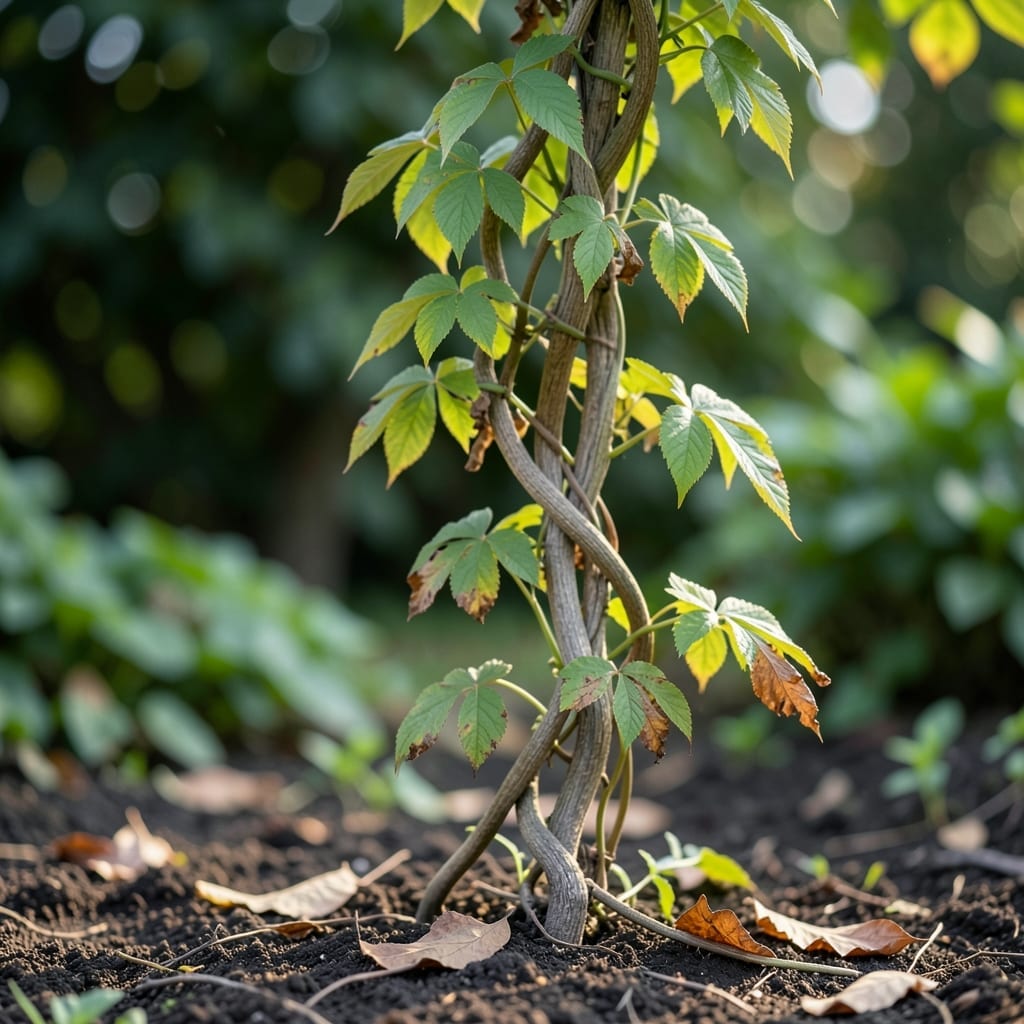
Brown leaves on your wisteria aren’t just ugly—they’re a distress signal. I’ve seen this happen to mature vines overnight, and the causes usually fall into three categories: water stress, fungal issues, or soil problems.
Here’s the thing—most gardeners jump to disease when the real culprit is often inconsistent watering. Wisteria hates soggy roots but also despises drought. The sweet spot is 1-2 deep waterings per week during dry spells.
Fungal spots show up as brown patches with yellow halos, while nutrient deficiencies create uniform browning. A soil test removes the guesswork. I keep copper fungicide on hand for emergencies.
Prevention is simpler than cure: improve drainage, mulch properly, and monitor new growth. Healthy vines bounce back fast with the right adjustments.
Wisteria leaves turning brown often signal underlying stress. Below are the most common causes, each with clear, actionable explanations.
Wisteria thrives in full sun to partial shade, but intense heat or sudden exposure to direct sunlight can scorch leaves, causing brown, crispy edges. This is especially true for young plants or those recently transplanted. The cell membranes in the leaves break down under extreme temperatures, leading to necrosis (tissue death).
Overwatering or underwatering disrupts the plant’s ability to absorb nutrients. Too much water suffocates roots, reducing oxygen uptake and leading to root rot, which manifests as yellowing or browning leaves. Conversely, drought stress causes leaves to dry out and turn brown from the tips inward as the plant conserves water.
A lack of magnesium, potassium, or nitrogen can trigger leaf browning. For example, magnesium deficiency often starts with yellowing between leaf veins (interveinal chlorosis) before progressing to brown spots. Potassium deficiency may cause leaf edges to turn brown and curl, while nitrogen deficiency leads to uniform yellowing followed by browning.
Spider mites, aphids, or fungal infections (like leaf spot or powdery mildew) can damage leaf tissue. Spider mites pierce cells to feed, leaving stippled brown areas, while fungal pathogens create distinct brown or black spots. Bacterial leaf blight can also cause rapid browning and wilting.
Sudden changes like cold snaps, strong winds, or herbicide drift can stress wisteria. Cold damage often appears as blackened or wilted leaves, while windburn dries out leaf margins. Herbicides (e.g., glyphosate) may cause systemic browning if the plant is exposed to overspray.
If your wisteria’s leaves are turning brown, don’t panic—most issues are fixable with a little care. Below are targeted solutions for the most common causes, along with prevention tips to keep your vine thriving. 🌿
Fix: Check the soil 2 inches deep. If it’s bone-dry, water deeply until moisture reaches the roots. If it’s soggy, stop watering and improve drainage by amending the soil with compost or perlite. For potted wisteria, ensure the pot has drainage holes.
Prevention: Water when the top 1-2 inches of soil are dry. Use a moisture meter for precision, and always water at the base—not the leaves—to avoid fungal issues.
Fix: Shield your wisteria from harsh afternoon sun with a shade cloth or by planting it near a taller structure. For heatwaves, mulch around the base (2-3 inches deep) to retain moisture and cool the roots.
Prevention: Plant wisteria in a spot with morning sun and afternoon shade, especially in hot climates. Young vines are more sensitive—acclimate them gradually to full sun.
Fix: Remove and destroy infected leaves (don’t compost them!) to prevent spread. Apply a copper-based fungicide or neem oil spray for fungal issues, or a bacterial treatment like Bacillus subtilis for leaf spot. Prune to improve airflow.
Prevention: Avoid overhead watering, and space plants for good circulation. Clean pruning tools with rubbing alcohol between cuts.
Fix: Test your soil (kits are inexpensive and easy to use). For nitrogen deficiency (pale leaves), apply a balanced fertilizer (10-10-10). For potassium or magnesium shortages, use a supplement like Epsom salt (1 tbsp/gallon of water) or greensand. If over-fertilized, flush the soil with water to leach excess salts.
Prevention: Fertilize wisteria lightly in early spring with a low-nitrogen formula. Avoid heavy feeding—wisteria thrives in lean soil!
Fix: Blast aphids or mites off with a strong stream of water. For stubborn pests, use insecticidal soap or horticultural oil. Scale insects may require scraping off by hand or systemic insecticide.
Prevention: Inspect leaves regularly (especially undersides) and encourage beneficial insects like ladybugs by planting companion flowers like marigolds.
Not always! Often it’s just water stress or sunburn. Check soil moisture first—dry or soggy soil is a common culprit.
Brown leaves won’t turn green again, but fixing the cause (like improving drainage or adding shade) helps new growth stay healthy.
Yes, trim them to prevent pest or fungal spread. Use clean tools and remove debris from the base to avoid reinfection.
With proper care, new growth typically appears in 2-4 weeks. Be patient and maintain consistent watering.