
Beautiful Plants For Your Interior
Beautiful Plants For Your Interior
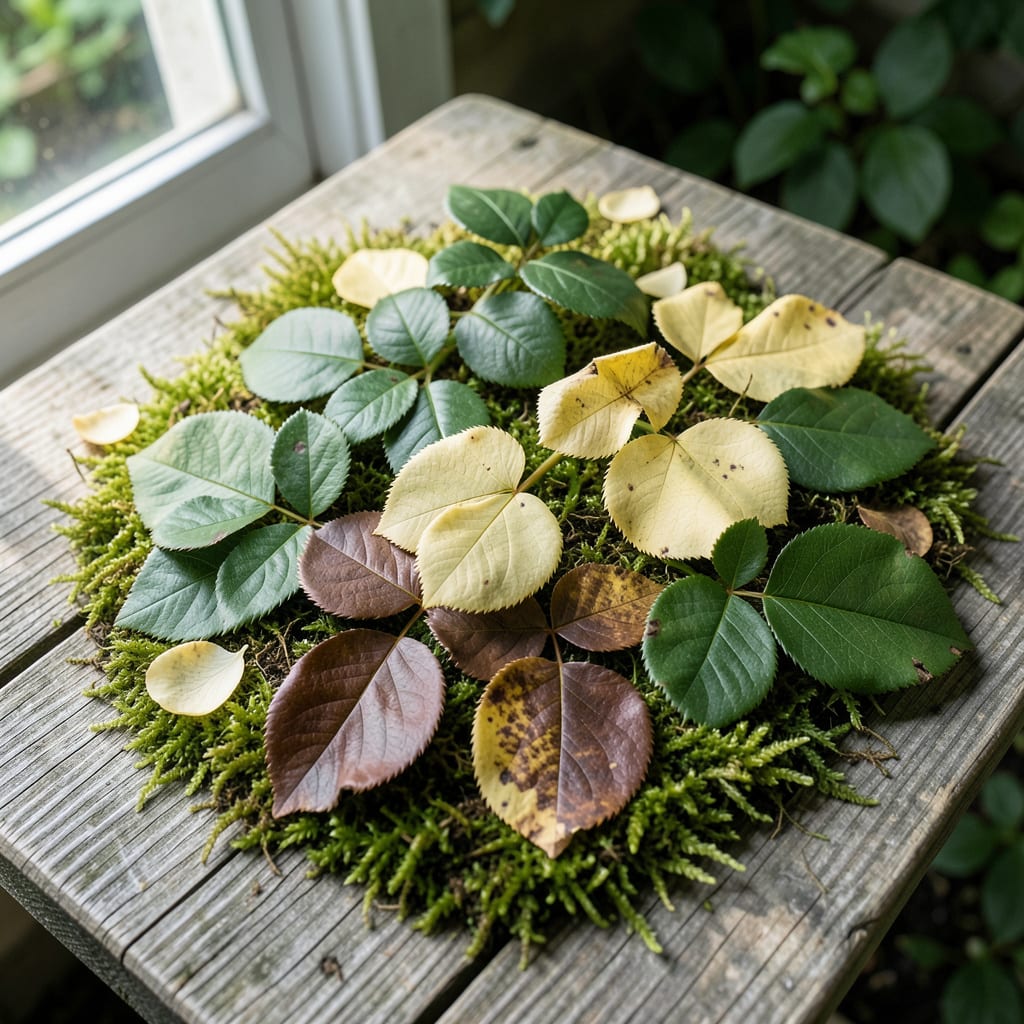
Yellow leaves on your roses aren’t just unsightly—they’re a cry for help. I’ve seen this happen to my own bushes, and the fix always starts with figuring out what’s actually wrong.
Most times, it’s either too much water drowning the roots or not enough nutrients in the soil. But sometimes, it’s pests or diseases working behind the scenes. The pattern of yellowing tells you which one it is.
Once you know the cause, the solution is usually simple: adjust your watering, feed the soil, or treat the problem directly. Roses bounce back fast when you give them what they need.
Prevention is easier than cure, though. Regular checks and good care keep those leaves vibrant green all season long.
Yellowing leaves on roses, known as chlorosis, signal an underlying issue disrupting photosynthesis. The causes often stem from environmental stress, poor care, or biological factors. Below are the most common triggers, explained simply but scientifically.
Roses drown when roots sit in waterlogged soil, suffocating from lack of oxygen. This leads to root rot, where fungal pathogens (like Phytophthora) attack compromised roots. As roots die, they fail to absorb nutrients like nitrogen and magnesium, causing leaves to yellow—often starting at the bottom of the plant. Fix: Ensure pots have drainage holes and amend heavy clay soil with compost.
Yellow leaves often point to a lack of essential nutrients: Nitrogen deficiency causes uniform yellowing (older leaves first), as it’s critical for chlorophyll. Magnesium shortage triggers interveinal chlorosis—yellow patches between green veins, typically on lower leaves. Iron deficiency (common in alkaline soils) also causes interveinal yellowing but affects young leaves first. Test soil pH (ideal: 6.0–6.5) and use targeted fertilizers.
Sap-sucking pests like aphids, spider mites, and thrips drain plant fluids, reducing nutrient transport. Their damage often appears as stippled yellow spots or curled, discolored leaves. Check leaf undersides for tiny insects or webbing. Action: Blast pests off with water or apply neem oil.
Extreme heat, cold drafts, or sudden light changes can shock roses, halting chlorophyll production. Leaves may yellow and drop prematurely. Tip: Acclimate potted roses gradually to new conditions and provide afternoon shade in scorching climates.
If your rose leaves are turning yellow, don’t panic—there are simple fixes for the most common causes. Below are targeted solutions to restore your roses to vibrant health, along with prevention tips to keep them thriving.
Yellowing often signals a lack of essential nutrients. Nitrogen deficiency causes uniform yellowing, while magnesium or iron shortages create yellow patches between green veins.
Soggy soil suffocates roots, leading to yellow, wilted leaves. Roses prefer consistent moisture, not waterlogged conditions.
Aphids, spider mites, and fungal infections like black spot stress roses, causing yellowing.
Too much sun, extreme heat, or poor air circulation can scorch or stress leaves.
💡 Pro Tip: Always water deeply at the base in the early morning to reduce evaporation and fungal risks.
Yes, if the issue is caught early and corrected. New growth will be green once the underlying problem (like nutrient deficiency or overwatering) is fixed. Severely damaged leaves may not recover.
Overwatered roses have yellow, wilted leaves and soggy soil. Underwatered ones show dry, crispy leaves and parched soil. Check soil moisture 2 inches deep before watering.
Identify the cause first. For nutrient issues, use a balanced fertilizer. For pests, apply neem oil. For water stress, adjust your routine. Most roses improve within 1-2 weeks.
Yes, removing yellow or diseased leaves improves airflow and redirects energy to healthy growth. Always sanitize pruners between cuts to prevent disease spread.
