
Beautiful Plants For Your Interior
Beautiful Plants For Your Interior
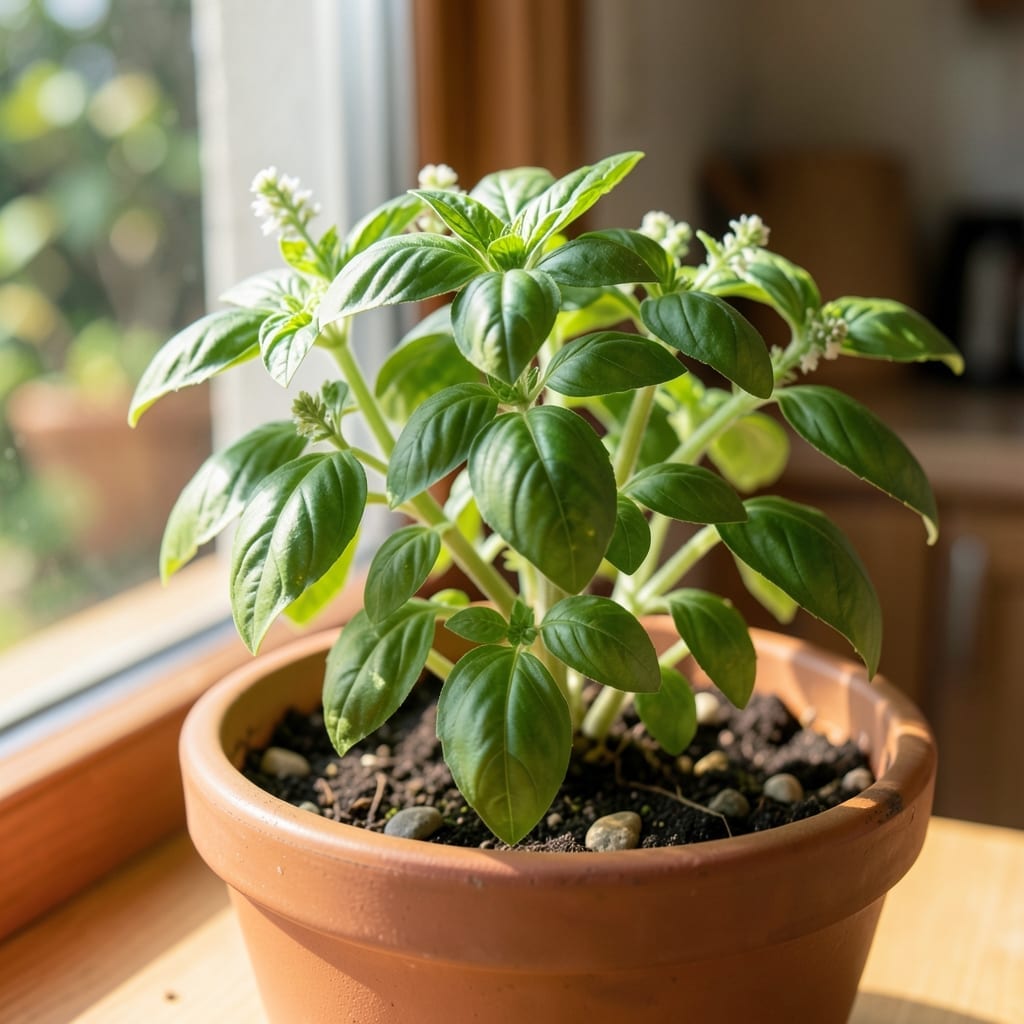
Yellow basil leaves feel like a personal betrayal. I’ve lost count of how many plants I’ve rescued from this exact problem, and the solution always starts with two simple questions: Are the roots drowning or starving?
Here’s the thing—overwatering is the usual suspect, but I’ve seen nutrient deficiencies create the same sad yellow flags. The pattern tells the story: bottom leaves yellowing often means hunger, while top leaves point to too much water.
Between you and me, the finger test never lies. Stick yours an inch into the soil before watering. My garden journal shows this one habit saves more basil than any fancy fertilizer.
We’ll walk through the diagnostic steps that turn panic into action. Your plant isn’t done for yet.
Yellowing basil leaves are often a distress signal, and pinpointing the cause is the first step to revival. Here’s a breakdown of the most common triggers, along with the science behind them.
Basil hates “wet feet.” Overwatering suffocates the roots, preventing them from absorbing oxygen. This leads to root rot, a fungal infection that disrupts nutrient uptake. As roots die, the plant can’t transport water and minerals efficiently, causing leaves to turn yellow (chlorosis). Check soil moisture 1-2 inches down—if it’s soggy, scale back watering and ensure pots have drainage holes.
Basil is a heavy feeder. A lack of nitrogen (essential for chlorophyll) causes uniform yellowing, starting with older leaves. Magnesium deficiency (critical for photosynthesis) triggers yellow patches between leaf veins (interveinal chlorosis). Use a balanced, water-soluble fertilizer (10-10-10) or an organic compost tea to replenish nutrients.
Basil needs 6–8 hours of sunlight daily. Without enough light, chlorophyll production drops, leading to pale or yellow leaves. If growing indoors, place plants near a south-facing window or supplement with grow lights. Outdoors, ensure they’re not shaded by taller plants.
Basil thrives in 70–85°F. Exposure to cold drafts (below 50°F) or heat spikes (above 90°F) can shock the plant, halting photosynthesis. Yellowing often appears first on leaf edges (necrosis). Move potted basil indoors during cold snaps or provide shade during heatwaves.
Sap-sucking pests like aphids, spider mites, or whiteflies drain the plant’s resources, causing yellow stippling or curling leaves. Check the undersides of leaves for tiny bugs or webbing. Treat with neem oil or insecticidal soap to restore plant health.
Don’t panic—yellowing basil can often be reversed with the right care. Below are targeted fixes for the most common causes, plus prevention tips to keep your plant thriving. 🌿
If soggy soil is the culprit, stop watering immediately and let the top 1-2 inches of soil dry out. Repot the basil in fresh, well-draining soil if root rot is suspected. Use pots with drainage holes to prevent waterlogging. Prevention tip: Water only when the soil feels dry to the touch—usually every 3-5 days in warm weather. 💡
Crispy, yellow leaves often signal thirst. Give your basil a deep soak until water runs out the drainage holes, then let excess drain. Mulch the soil to retain moisture. Prevention tip: Check soil moisture daily in hot climates—basil likes consistently moist (not soggy) conditions. 🌡️
Yellow lower leaves? Likely nitrogen deficiency. Use a balanced, water-soluble fertilizer (10-10-10) every 4-6 weeks during growing season. For iron or magnesium shortages (yellowing between veins), apply chelated iron or Epsom salt (1 tbsp/gallon of water). Prevention tip: Refresh potting soil annually for container plants. ✨
If your pot lacks drainage, transfer the basil to one with holes. Add perlite or sand to the soil mix to improve aeration. Prevention tip: Elevate pots on saucers to avoid water pooling underneath. 🎯
Inspect leaves for aphids or spider mites. Spray with neem oil or insecticidal soap, focusing on undersides. Isolate heavily infested plants. Prevention tip: Wipe leaves with a damp cloth weekly to deter pests. 🔥
Water when the top 1-2 inches of soil feel dry. In warm weather, this usually means every 3-5 days. Always check soil moisture with your finger first.
Use well-draining potting mix with added perlite or sand. Basil thrives in soil that retains moisture but doesn’t stay soggy. Refresh container soil annually.
Once leaves turn yellow, they won’t recover. Remove them to redirect energy to healthy growth. Focus on fixing the root cause to prevent new yellowing.
Basil prefers 70-85°F. Below 50°F or above 90°F causes stress. Move potted plants indoors during cold snaps.