
Beautiful Plants For Your Interior
Beautiful Plants For Your Interior
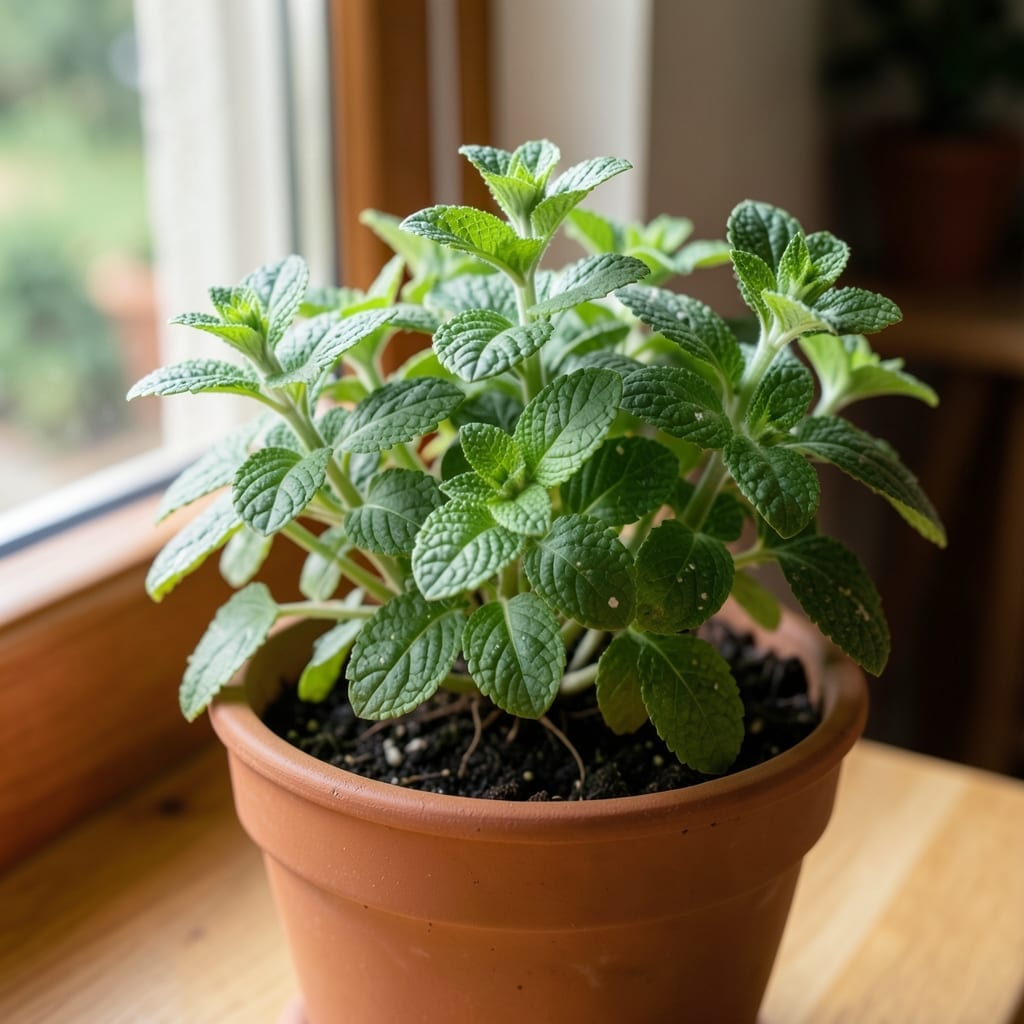
White spots on mint can send any gardener into panic mode. I’ve been there—staring at my once-lush plant, wondering if it’s salvageable. The good news? Most causes are fixable with a little detective work and quick action.
Powdery mildew, spider mites, or even water splash can leave those unsightly white marks. Each culprit has its own signature, like webbing for mites or a dusty coating for mildew. Identifying the issue is half the battle won.
Once you pinpoint the problem, solutions are straightforward. A spray of neem oil, better air circulation, or adjusting your watering routine often does the trick. No fancy tools required.
Your mint can bounce back fast—sometimes within a week of treatment. The key is acting before the issue spreads to the rest of your garden.
White spots on your mint plant can stem from several underlying issues, each with distinct triggers. Here’s a breakdown of the most common causes:
Powdery mildew and downy mildew are frequent culprits. Powdery mildew (Podosphaera xanthii) thrives in warm, dry conditions with high humidity, forming a white, powdery coating on leaves. Downy mildew (Peronospora belbahrii) prefers cooler, damp environments, creating yellowish-white patches on the undersides of leaves. Both spread via spores, which germinate when leaves remain wet for extended periods.
Sap-sucking pests like spider mites, aphids, and whiteflies can leave behind white residue or stippling. Spider mites create tiny white or yellow speckles as they feed, while aphids and whiteflies excrete sticky honeydew, which often develops a white, sooty mold. These pests thrive in dry, crowded conditions and can quickly overrun a plant if left unchecked.
If your mint is watered with hard tap water, calcium and magnesium deposits can accumulate on the foliage, forming chalky white spots. This is especially common in areas with high mineral content in the water supply. While not harmful to the plant, these spots can be unsightly and may block sunlight if excessive.
Excessive sunlight or heat stress can cause bleaching of the leaves, leading to white or pale patches. Mint prefers partial shade, and prolonged exposure to direct sunlight—especially in hot climates—can scorch the foliage. Similarly, sudden temperature fluctuations or drafts can stress the plant, triggering discoloration.
White spots on your mint plant can be frustrating, but most causes are treatable with simple, targeted solutions. Below are practical fixes for the most common issues, along with prevention tips to keep your mint healthy and vibrant.
If the white spots are powdery and appear on the leaves’ surface, improve air circulation first. Trim back dense foliage and space plants at least 12 inches apart. For mild cases, spray leaves with a mix of 1 teaspoon baking soda and 1 quart of water, adding a few drops of dish soap to help it stick. For severe infections, use a copper-based fungicide and remove heavily affected leaves. Prevention tip: 💡 Water at the base of the plant to keep leaves dry, and avoid overhead watering.
White spots caused by pests like spider mites or mealybugs need a hands-on approach. Wipe leaves with a cotton swab dipped in rubbing alcohol to remove visible pests. For larger infestations, spray with insecticidal soap or neem oil, covering both sides of the leaves. Repeat every 5–7 days until the pests are gone. Prevention tip: ✨ Regularly inspect the undersides of leaves and keep the growing area clean to deter pests.
If hard water is leaving white mineral deposits, flush the soil with distilled or rainwater to remove excess minerals. Alternatively, wipe leaves gently with a damp cloth to clean them without damaging the plant. Prevention tip: 🌡️ Use filtered or distilled water for irrigation, and avoid letting water sit on the leaves.
White or bleached spots from too much sun? Move your mint to a shadier spot or provide afternoon shade with a sheer curtain. If growing outdoors, acclimate the plant gradually to direct sunlight. Prevention tip: 🎯 Mint thrives in partial shade, so aim for 4–6 hours of morning sun and shade during the hottest part of the day.
Yes, powdery mildew spores can travel through air or water splash. Keep infected plants isolated and improve airflow immediately.
Check for webbing or tiny bugs for pest damage. Fungal spots usually appear as a dusty coating without visible insects.
No, mineral deposits from hard water are harmless but unsightly. Wipe leaves gently with a damp cloth to remove them.
With proper treatment, most issues show improvement within 3-7 days. Fungal infections may take slightly longer to fully clear.