
Beautiful Plants For Your Interior
Beautiful Plants For Your Interior
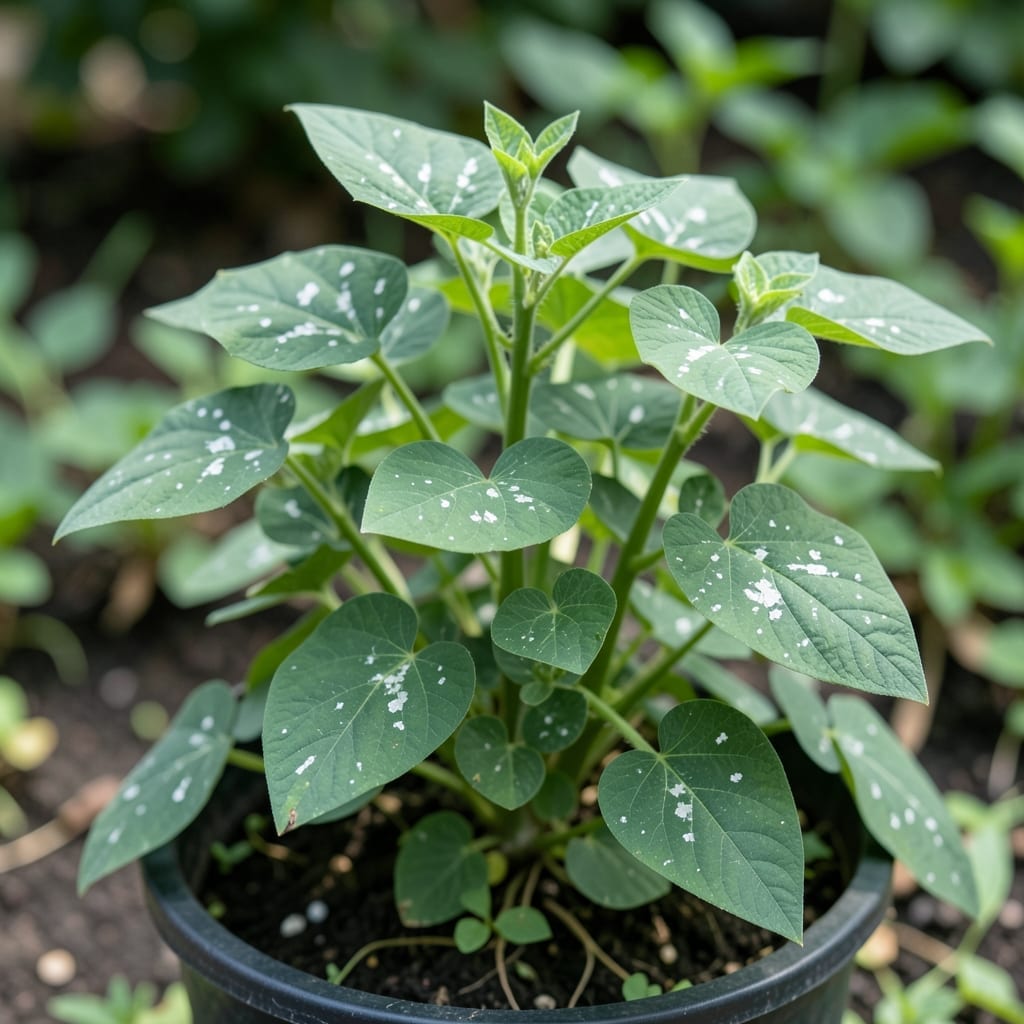
White spots on your pea leaves aren’t just unsightly—they’re a warning sign. I’ve battled this issue in my garden, and early action makes all the difference.
Powdery mildew is the usual culprit, but aphids or nutrient gaps can cause similar marks. The fix is simpler than you think, and prevention keeps your plants healthy all season.
Quick fixes for white spots. Most are already in your shed or pantry.
| Ingredient | Amount | Notes |
|---|---|---|
| Neem Oil 🌿 | 1 piece | Cold-pressed for best results |
| Baking Soda 🌾 | 1 piece | Food-grade for mixing |
| Liquid Soap 💧 | 1 oz | Mild castile type |
| Pruning Shears ✂️ | 1 piece | Sharp clean blades |
| Water 💧 | 1 gallon | For spray solution |
| Spray Bottle 💦 | 1 piece | Fine mist nozzle |
| Compost 🌱 | 2 gallons | Well-aged for soil health |
| Mulch 🪵 | 1 bag | Organic straw or wood |
| Fungicide 🧪 | 1 piece | Copper-based if severe |
| Garden Gloves 🪴 | 1 piece | For safe handling |
[recipe_ingredient_scaler]
Neem oil and baking soda are your first line of defense for powdery mildew. Burpee and Garden Safe brands work well for both. I grab mine from Home Depot—their garden section is well-stocked (the good stuff, not the dusty old bottles). Always check the label for cold-pressed neem oil for best antifungal properties.
No neem oil? Mouthwash (original Listerine) mixed with water (1:3 ratio) works as a substitute spray. If aphids are the issue, insecticidal soap handles them without harsh chemicals. Pruning shears can be any sharp pair—just sterilize with rubbing alcohol between cuts (trust me on this).
Store neem oil in a cool dark place—it lasts 2 years unopened. Keep leftover spray solution in the fridge for up to 1 week. I label my spray bottles with the mix date so I never guess if it’s still potent.
Here’s my go-to method for clearing up this issue and preventing it from coming back.
Put on the garden gloves and use the pruning shears to snip off any leaves showing white powdery spots. Cut at the stem base to avoid tearing. I always wipe the shears with a clean cloth between cuts to prevent spreading spores to healthy tissue.
Place the infected material in a sealed bag—don’t compost it. This is critical because spores can survive and reinfect. Dispose of it with household trash. You’ll notice new growth looks cleaner within 3-4 days of removing the worst cases.
Combine 1 piece baking soda, 1 oz liquid soap, and 1 gallon water in the spray bottle. Shake thoroughly until the baking soda dissolves completely. The soap helps the solution stick to leaves, while baking soda alters leaf surface pH to inhibit spore growth.
Spray the mixture on all leaf surfaces, especially undersides where spores hide. Do this in the early morning so leaves dry quickly in sunlight. Reapply every 7-10 days or after rain until the problem disappears completely.
If the white marks persist, mix 1 piece neem oil with the same 1 gallon water and a few drops of liquid soap as an emulsifier. Neem oil disrupts the fungus life cycle. I’ve found it most effective when applied at dusk to avoid leaf burn from sun exposure.
Shake the spray bottle frequently during application as the oil separates. Coat leaves thoroughly, focusing on new growth. You’ll see improvement within 1-2 weeks of consistent use. Don’t apply within 24 hours of rain for maximum effectiveness.
Spread the 1 bag mulch around the base of plants to prevent soil-borne spores from splashing onto leaves during watering. Use an organic variety like straw or wood chips. Keep it 2-3 inches away from stems to prevent rot.
Work 2 gallons compost into the surrounding soil to boost plant vigor. Stronger plants resist fungal attacks better. If the infection is severe, apply the fungicide as a last resort, following package instructions precisely. Always wear garden gloves when handling chemicals.
If you’re managing powdery mildew on pea plants, focus on organic fungicides like neem oil or baking soda sprays. These are keto-safe and won’t interfere with your diet. Stick to natural remedies to avoid synthetic chemicals.
Most fungal treatments for white marks on pea leaves are gluten-free. However, check labels on commercial products to ensure no additives contain gluten. Homemade solutions like sulfur or copper sprays are safe options.
For those with allergies, avoid fungicides with sulfur compounds if sensitive. Opt for hydrogen peroxide or milk sprays, which are gentler. Always wear gloves when handling treatments to prevent skin irritation.
Vegetarians can use plant-based fungicides like neem oil or compost teas. Avoid animal-derived products such as fish emulsion if maintaining strict vegetarian gardening practices.
If monitoring sodium intake, skip treatments with baking soda (high in sodium). Instead, use potassium bicarbonate or vinegar sprays for a low-sodium approach to combating fungal issues.