
Beautiful Plants For Your Interior
Beautiful Plants For Your Interior
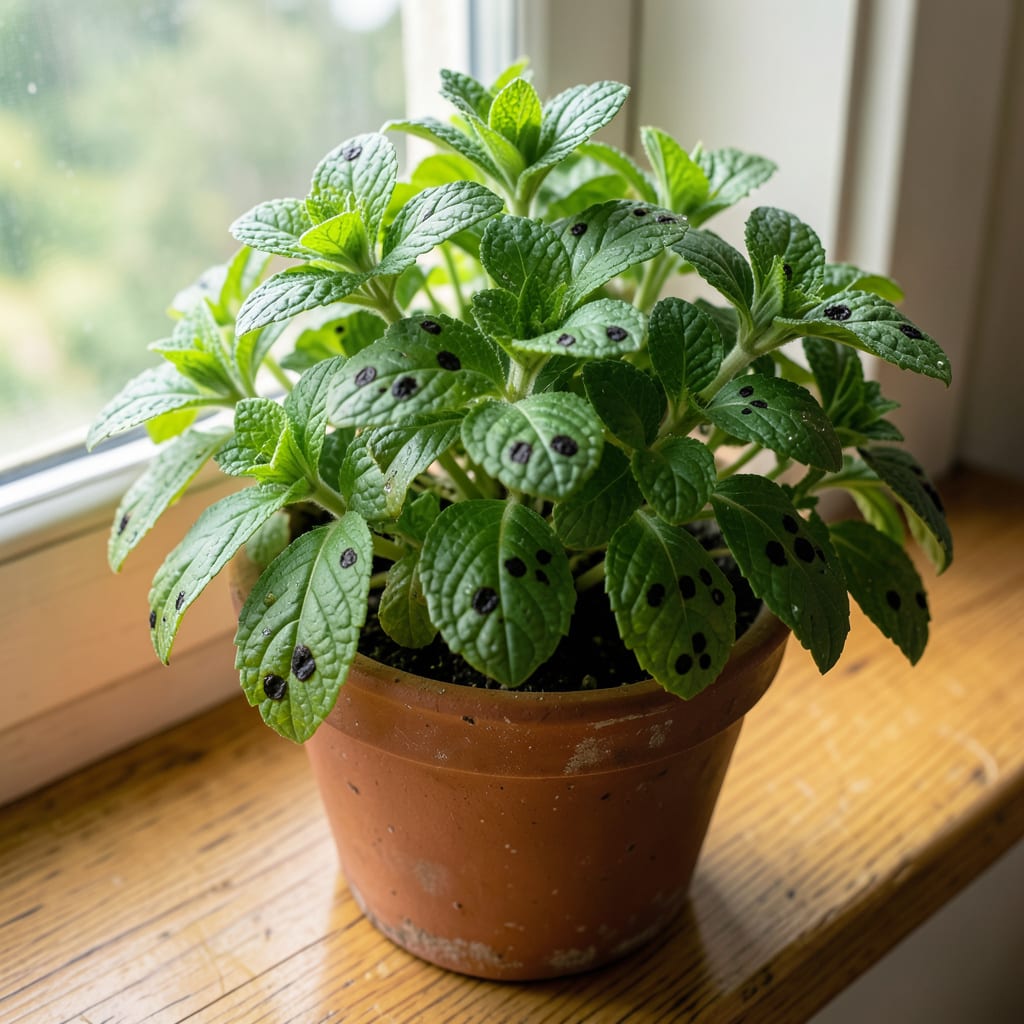
Those black spots on your mint aren’t just unsightly—they’re a red flag. I’ve battled this issue in my own herb garden, and it always comes down to one of three culprits: moisture, airflow, or fungal hitchhikers.
The good news? Mint is tough, and with the right adjustments, your plants can bounce back fast. Most cases clear up within 2-3 weeks once you address the root cause. The key is acting before the spots spread to healthy leaves.
You’ll start by examining your watering routine and the plant’s environment. Overwatering and crowded conditions create the perfect breeding ground for fungal spores. A few simple changes can stop the damage in its tracks.
Natural remedies work surprisingly well for this common problem. I’ve had great success with a baking soda spray and improved airflow. Your mint will thank you with fresh, spot-free growth.
Those unsightly black spots on your mint plant aren’t just a cosmetic issue—they’re a sign of underlying problems. Understanding the root causes helps you tackle them effectively. Here’s a breakdown of the most common culprits:
Fungi like Alternaria or Cercospora thrive in damp, poorly ventilated conditions. These pathogens produce dark, circular lesions on leaves, often with yellow halos. Overhead watering and crowded plantings create the perfect breeding ground for spores to spread. Left unchecked, fungal infections can defoliate your mint and weaken its growth.
Mint loves moisture, but soggy soil suffocates roots and invites rot. When roots can’t breathe, the plant becomes stressed, and black spots appear as a stress response. Ensure your mint is planted in well-draining soil and avoid letting water pool around the base.
Sap-sucking pests like aphids and spider mites don’t just drain your plant—they also spread viruses and bacteria that cause dark discoloration. Their feeding wounds create entry points for secondary infections, leading to those telltale black patches.
Extreme temperature swings, excessive sun exposure, or nutrient deficiencies (like calcium or magnesium) can trigger necrotic spots. Mint prefers partial shade and consistent moisture, so sudden changes in its environment can manifest as blackened leaf tissue.
Tackling those unsightly black spots on your mint plant starts with identifying the cause and applying the right fix. Here’s a practical, step-by-step guide to restore your plant’s health.
If fungal diseases like leaf spot or rust are to blame, remove infected leaves immediately to prevent spreading. Spray the plant with a DIY fungicide:
Pests like aphids or spider mites can cause black spots by spreading sooty mold. Blast them off with water or use:
Root rot from overwatering can manifest as black spots. Let the soil dry slightly between waterings. Ensure pots have drainage holes, and use well-draining soil. 💡 Prevention tip: Water in the morning so excess moisture evaporates during the day.
Black spots may signal a lack of nutrients like magnesium or potassium. Use a balanced, water-soluble fertilizer (10-10-10) every 4–6 weeks during growing season. 💡 Prevention tip: Test soil annually and amend with compost for long-term health.
Not always. While fungal infections are common, they can also stem from overwatering, pest damage, or even nutrient deficiencies like calcium or magnesium.
With proper treatment, you should see new growth free of spots within 2-3 weeks. Consistency with remedies and environmental adjustments speeds up recovery.
It’s best to avoid using affected leaves, especially if caused by fungal or bacterial issues. Healthy leaves on the same plant are generally safe to use.
Yes, remove all spotted leaves immediately to prevent spreading. Always sterilize your pruning tools with rubbing alcohol between cuts to avoid contamination.
