
Beautiful Plants For Your Interior
Beautiful Plants For Your Interior
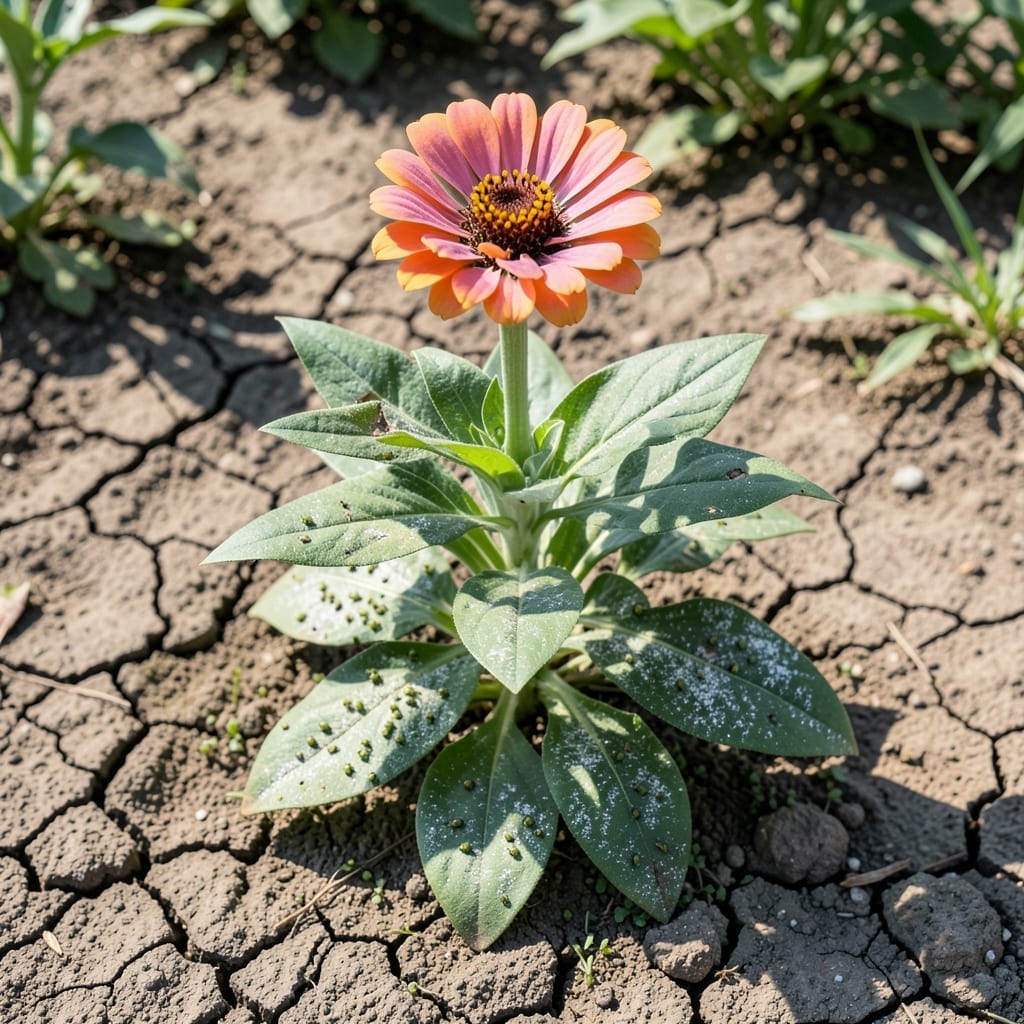
Nothing’s more frustrating than watching zinnias wither just as they should be bursting with color. I’ve lost count of how many I’ve nursed back to health after spotting the first wilting leaf or blackened stem.
Between you and me, most zinnia problems come down to 3 things: too much water, not enough air, or uninvited pests. The fix is usually simpler than you’d think—just a tweak to your routine.
You’ll spot the difference within a few days of adjusting care. Leaves perk up, stems strengthen, and those vibrant blooms return faster than you’d expect.
Works for garden beds, containers, or anywhere you’re growing these cheerful annuals. Here’s how to diagnose and revive them.
Zinnias are hardy, but even the toughest blooms can wilt under the wrong conditions. Here’s why your zinnias might be struggling:
Zinnias thrive in well-draining soil. Soggy roots from overwatering or compacted soil suffocate the plant, leading to root rot. Fusarium and Phytophthora fungi thrive in waterlogged conditions, attacking the roots and stems. Action: Water only when the top inch of soil is dry, and ensure pots have drainage holes.
Zinnias are full-sun lovers, requiring 6–8 hours of direct sunlight daily. Too little light weakens the plant, causing leggy growth, fewer blooms, and increased susceptibility to disease. Action: Relocate to a sunnier spot or trim nearby shade-casting plants.
Aphids, spider mites, and Japanese beetles adore zinnias. These pests suck sap from leaves and stems, weakening the plant and spreading viruses like aster yellows. Action: Spray with neem oil or insecticidal soap at the first sign of pests.
Powdery mildew (white fungal growth on leaves) and alternaria leaf spot (brown spots with yellow halos) flourish in humid, poorly ventilated environments. Action: Space plants for airflow, water at the base (not overhead), and remove infected leaves immediately.
While zinnias tolerate heat, frost or temperatures below 50°F (10°C) can stunt growth or kill them. Conversely, extreme heat (above 90°F/32°C) without adequate water stresses the plant. Action: Plant after the last frost and provide afternoon shade in scorching climates.
Don’t lose hope—many zinnia problems have simple fixes! Below are targeted solutions for the most common issues, along with prevention tips to keep your blooms vibrant all season long.
If your zinnias are wilting or developing yellowing leaves or root rot, cut back on watering immediately. Let the soil dry out between waterings, and ensure your pots or garden beds have drainage holes. For potted zinnias, elevate the container or add a layer of gravel at the bottom. Prevention tip: 💡 Water deeply but only 1-2 times per week, and always check the top inch of soil—if it’s dry, it’s time to water.
For aphids, spider mites, or Japanese beetles, start with a strong blast of water to dislodge them. Follow up with neem oil or insecticidal soap, applying in the early morning or late evening. For slugs and snails, set up beer traps or sprinkle diatomaceous earth around the base of plants. Prevention tip: ✨ Encourage natural predators like ladybugs by planting companion flowers such as marigolds or alyssum nearby.
If you spot powdery mildew (white coating) or leaf spot (brown circles), remove affected leaves immediately and avoid overhead watering. Treat with a baking soda solution (1 tsp baking soda + 1 quart water + a drop of dish soap) or a copper fungicide. Prevention tip: 🌡️ Space plants 12-18 inches apart for better airflow, and water at the base in the morning so foliage dries quickly.
Zinnias need full sun (6-8 hours daily) to thrive. If your plants are leggy, weak, or not blooming, they’re likely not getting enough light. Move container zinnias to a sunnier spot, or thin out nearby plants that may be casting shade. Prevention tip: 🎯 Rotate potted zinnias occasionally to ensure even sunlight exposure on all sides.
Yellow leaves with green veins may signal iron deficiency, while stunted growth often means a lack of nitrogen. Use a balanced, water-soluble fertilizer (10-10-10) every 2-3 weeks during the growing season. For organic options, try compost tea or fish emulsion. Prevention tip: 📊 Test your soil’s pH—zinnias prefer slightly acidic to neutral (6.0-7.0). Amend with lime or sulfur as needed.
Water deeply 1-2 times per week, allowing the top inch of soil to dry between waterings. Overwatering is a common killer, so always check moisture first.
Space plants 12-18 inches apart for airflow and water at the base in the morning. Remove affected leaves immediately to stop spread.
They need 6-8 hours of full sun daily to thrive. Partial shade leads to leggy growth and fewer blooms. Relocate or trim nearby shade sources.
Blast them off with water first, then apply neem oil or insecticidal soap. Plant companion flowers like marigolds to attract beneficial ladybugs.